Minister derided for comparing housing crisis with Ooshies
Source: Anika Wells
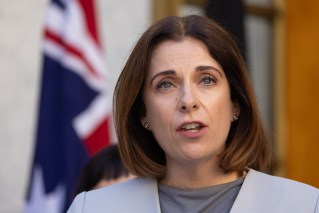
Communications Minister Anika Wells has drawn derision for trying to explain the housing crisis by using collectible Ooshie toys from Woolworths.
In the video as part of her “policy as popular culture” series, Wells gathers Disney and Pixar-themed toys on her desk.
“Both the Ooshie market and the Australian housing market are dictated by supply and demand,” Wells says in the video.
“The problem right now is that supply of Ooshies and the supply of housing is not keeping pace with demand.
“To fix the Ooshie crisis, Woolies has the ability to deliver Ooshie equilibrium, whereby Ooshie supply meets the relentless demand of Aussie youths. That’s pretty easy, Woolworths, the ball is in your court.”
Wells said demand for homes was outpacing supply in Australia, “or, in other words, there’s been a shortage of Ooshies”.
“Compounding that problem, Australia’s tax system has benefited collectors buying new or second-hand Ooshies over first-time Ooshie buyers,” she said.
To fix the problem, she said the Albanese government’s last budget told housing investors, “or Ooshie collectors”, they could “keep using the tax system to buy Ooshies — but only new ones”.
“In turn, that means more new Ooshies to rent and more existing Ooshies for first-time buyers.”
She also explained the government’s 5 per cent deposit scheme for first-home buyers by saying: “Instead of saving $30 to get one Ooshie, first-home buyers will only have to save $1.50.”
Wells’ Facebook post attracted 3500 comments, with people saying it was like an episode of Play School and showed the Labor Party’s understanding of economics.
“Had to explain it in Ooshies so Jim [Chalmers] and Albo (PM Anthony Albanese) could understand and relate,” one social media user said.
Opposition communications spokeswoman Sarah Henderson told The Australian the video was “embarrassing, puerile nonsense”.
“[Wells] is tone deaf to the acute harm that Labor’s housing policies are causing Australians — fewer homes, higher rents and declining confidence,”Henderson said.
Church probe compared to Spanish inquisition
Chalmers' grim warning in fight against far right

Greens senator on leave after women claims
Minister backs tweaks to social media protections
Labor tries again with health insurance bill
Double standards from groceries to a 'shrug emoji'
Treasurer denies being rolled on ATO card issue