Landmark study shows where gen Z has lost faith
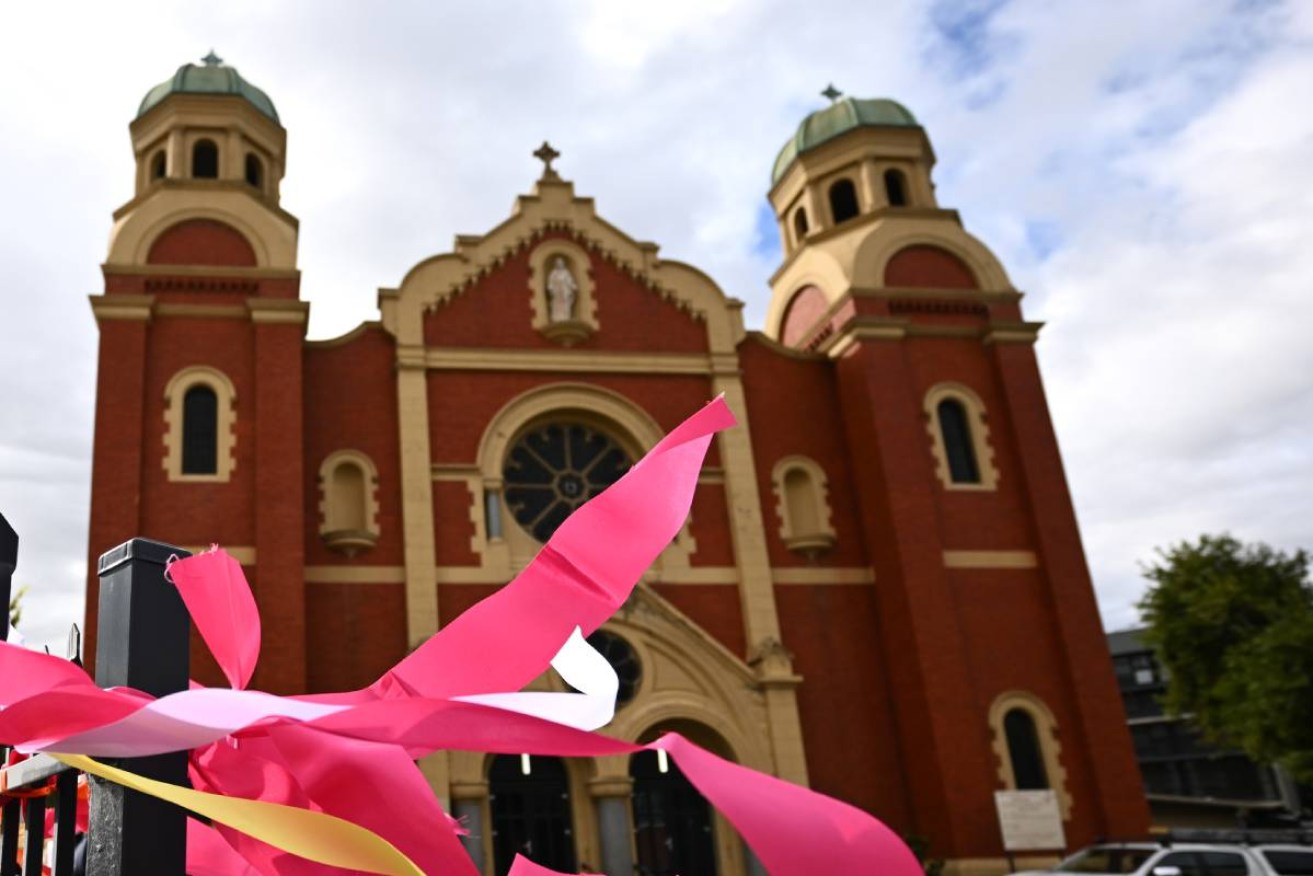
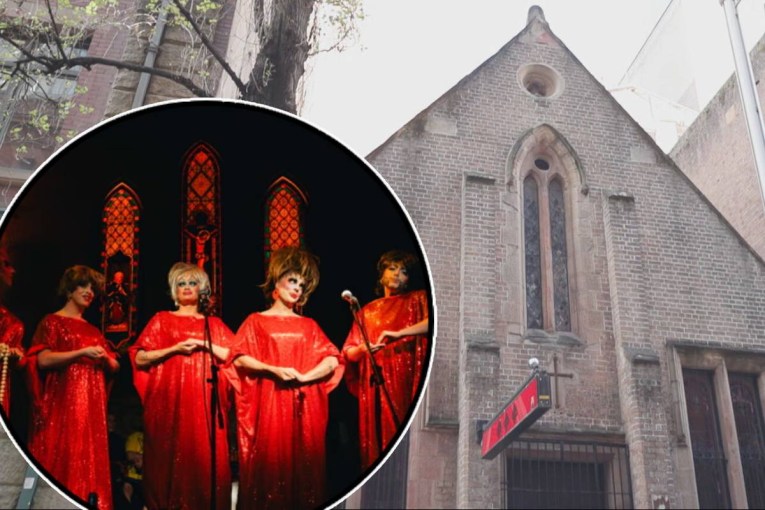
Australians are increasingly less religious and young people have low trust in religion. Photo: AAP
A landmark study of thousands of gen Z Australians has revealed their lack of faith in politics, the media and religion.
The Longitudinal Study of Australian Children has followed 10,000 young people for more than two decades, revealing data about their lives and views.
Its latest round of research, revealed on Wednesday, shows non-traditional engagement with politics given a distrust of key institutions among the 19-24-year-old cohort.
Politicians and social media were deemed least trustworthy. Only 15 per cent of respondents said they had “a lot” or “some” trust in those institutions, with traditional media faring slightly better on 18 per cent.
The findings will come as no surprise given a spate of reports showing falling approval in politics and media.

Politicians have long been a distrusted part of Australian society. Photo: AAP
Study co-ordinators were struck by the low support for churches and religious institutions. They were rated as next least trustworthy on 24 per cent.
Kirsten Campbell, the study’s longitudinal head, said it was a “really stark finding”.
“If you look at coverage of religious institutions over the last decade … there have been a number of shocks that have come through religious institutions that young people are very aware of,” Campbell said.
“Young people may have a strong sense of faith themselves, and we do see that a lot of volunteering is through faith-based organisations, there may be a lack of confidence in those overall institutional settings.”
It is clear from census data that religion is on the decline in Australia, with non-religious respondents growing from 17 per cent in 2001 to 39 per cent in 2021.
Surveys that look at trust in religion are harder to come by. A 2022 Macquarie University study found 26 per cent of people had “quite a lot” or “a great deal” of trust in organised religions and religious leaders, compared to 35 per cent who had no trust at all.
That investigation found even lower trust among women, LGBTQI people, young people and non-university graduates.
The most trusted institutions in the longitudinal study were hospitals (86 per cent), scientists (75 per cent) and police and the defence force (66 per cent).
A social cohesion lens was applied during the tenth wave of the study’s research, which also included questions on civic engagement.
Almost 90 per cent voted in the 2022 election – comparable to the national average – while signing an online petition was the most popular form of engagement.
More than a third volunteered – above the national average – and more than half followed politicians and political causes online.
Of concerns for the future, affordability was most prevalent.
Fears about being able to afford a house were held by 73 per cent of respondents, way ahead of global economic problems (42 per cent), climate change (41 per cent) and future pandemics (25 per cent).
—AAP
Want to see more stories from The New Daily in your Google search results?
- Click here to set The New Daily as a preferred source.
- Tick the box next to "The New Daily". That's it.