Birds a no-show at popular event as avian flu spreads

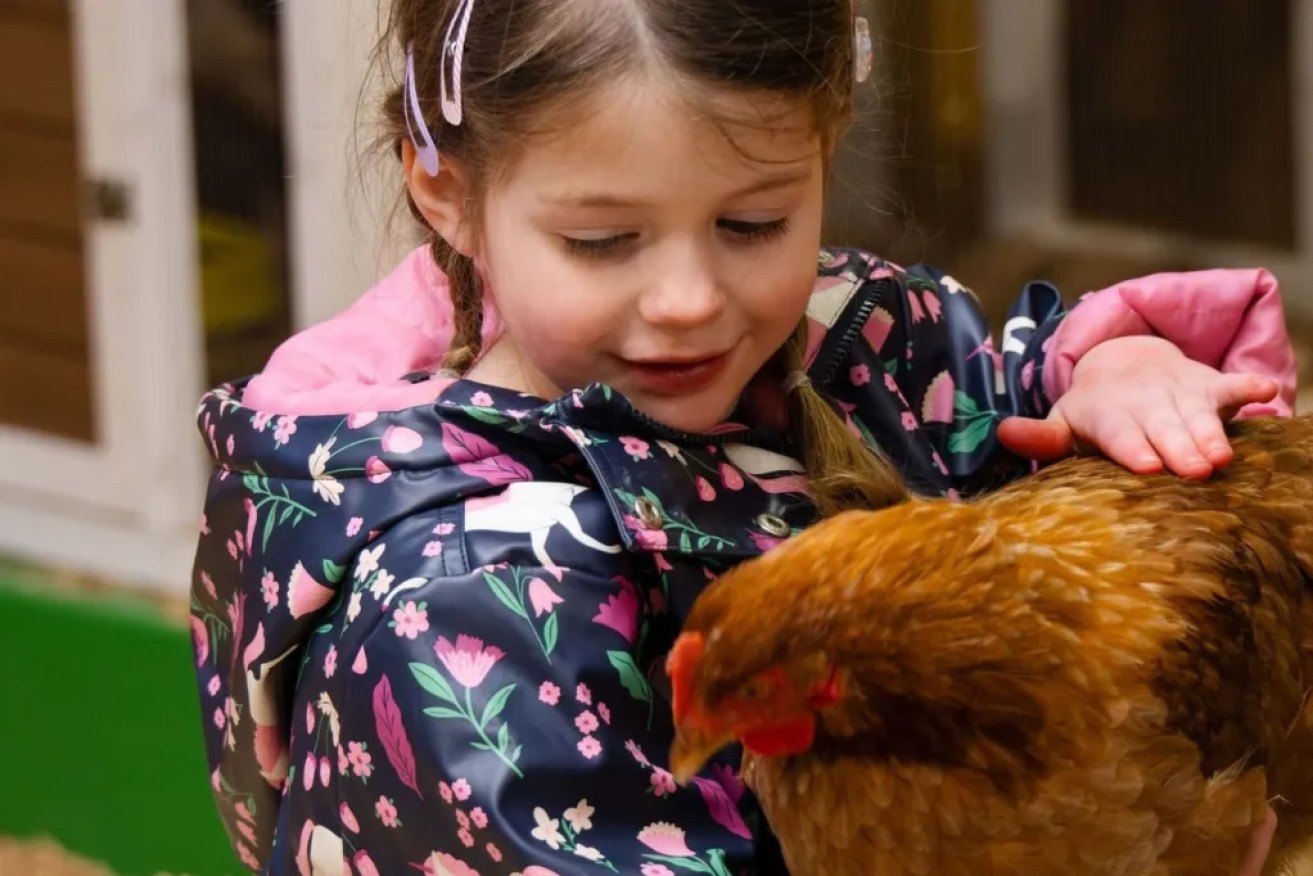
No birds will be allowed to compete at the Royal Adelaide Show this year. Photo: Instagram
South Australia’s popular annual agricultural show has cancelled bird competitions and chick-holding experiences this year as the deadly H5 bird flu sweeps through the state.
Entrants in the Royal Adelaide Show’s bird categories were informed of the news on Friday morning, a month before the nine-day event is set to begin on September 5.
Royal Agricultural and Horticultural Society of South Australia (RA&HS) CEO Will Rayner described the decision as “difficult but appropriate”.
“While we think the risk is very low, we took a decision now out of an abundance of caution and to make sure that the volunteers and those exhibitors had as much time to prepare as possible,” he said,.
There are more than 1600 classes in the Royal Show’s poultry, pigeon and egg competition section.
A spokesperson for RA&HS said it was looking at replacing the chick-holding experience for children with other “cuddly” animals in the petting zoo.
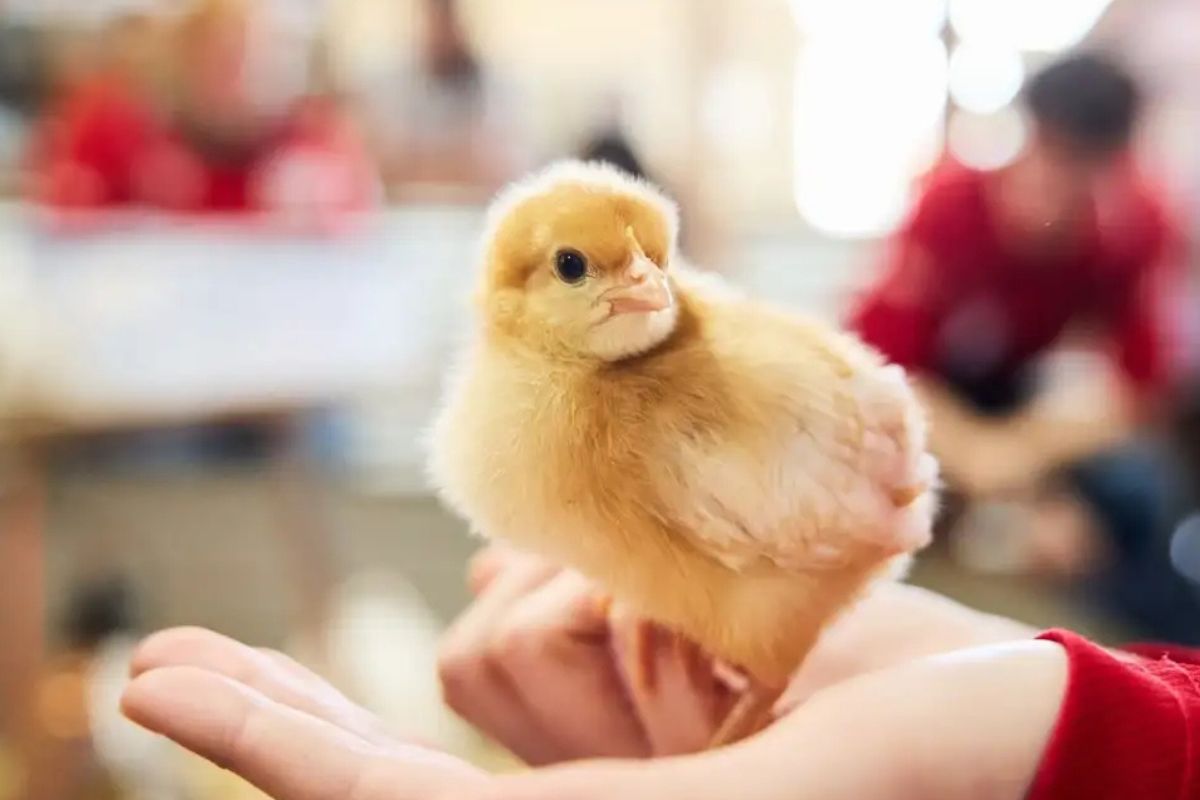
There will be no chick holding at this year’s Adelaide Show.
The news came as the CSIRO’s Australian Centre for Disease Preparedness (ACDP) confirmed positive test results in samples from another 32 wild seabirds since Thursday’s update, bringing the total number to 119 confirmed cases in South Australia.
SA Environment Minister Emily Bourke said the figure did not include the mass mortality case of more than 80 greater crested terns near Baudin Rocks.
“So, today, we know that we cannot stop bird flu, but we can increase biosecurity where possible,” Bourke said.
Among the confirmed new cases were 25 greater crested terns on the Limestone Coast, three silver gulls on the Limestone Coast at Southend, three greater crested terns at Seal Bay on Kangaroo Island and one greater crested tern at Port Elliot on the Fleurieu Peninsula.
Asked if the government had considered rolling out a vaccination programme for threatened bird species similar to one underway in New Zealand, Georgie Cornish, who is executive director of biosecurity at the Department of Primary Industries and Regions (PIRSA), said PIRSA discusses vaccinations and “what works” extensively.
However, she said that vaccinations for threatened species and native birds were experimental and their effectiveness had not been confirmed, with emergency permit work still needed to be completed.
In a statement, RA&HS said that the decision to scrap bird competitions was made following consultation with relevant authorities and industry stakeholders.
“Protecting the health and welfare of animals is our highest priority, and we believe this is the right decision to support our exhibitors, our agricultural community and broader biosecurity efforts,” Rayner said.
“We recognise this will be disappointing for many, and this decision has not been taken lightly.
“However, after considering the ongoing situation and speaking with the Department for Primary Industries and Regions, who are leading the South Australian bird flu response, we believe it is the right thing to do.”
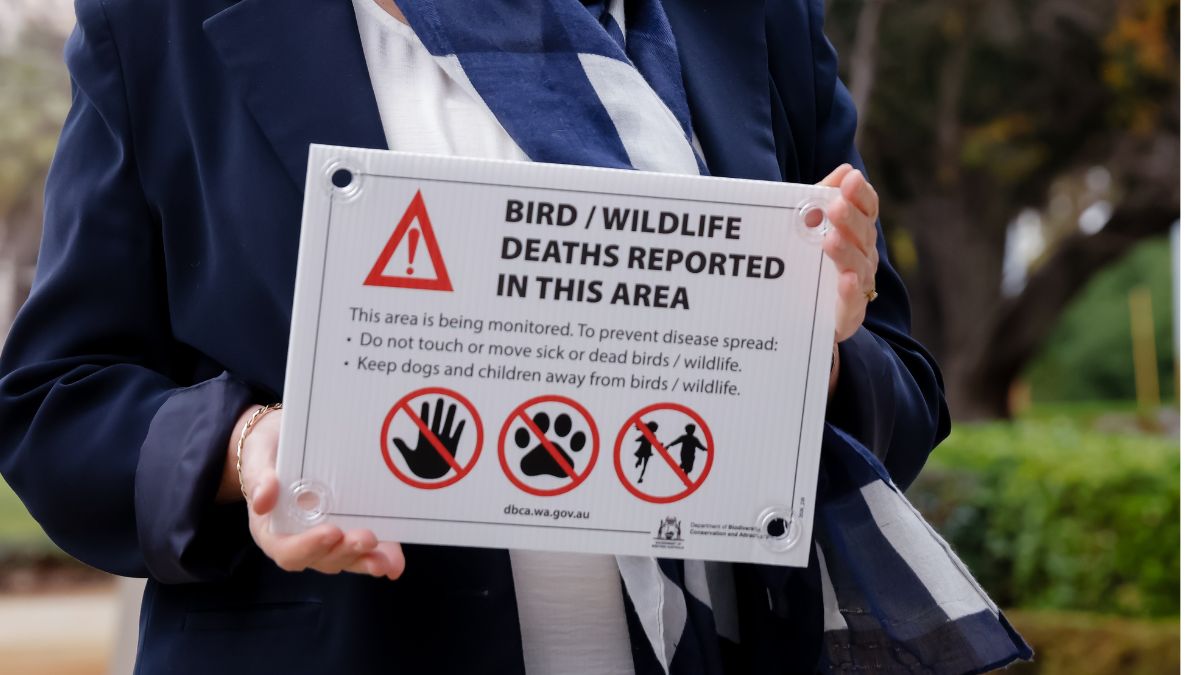
The number of cases of H5 bird flu is continuing to climb. Photo: AAP
PIRSA has recorded no detections of H5 bird flu in poultry and livestock, with the risk to human health considered low.
Federal Department of Agriculture, Fisheries and Forestry figures show that as of August 7, there were 155 confirmed or presumed positive detections of H5 bird flu in Australia, with 119 of those in South Australia.
Earlier this week, the Invasive Species Council said about 300 species, including about 30 per cent of Australian bird species, faced heightened danger from the deadly virus.
The figures included 13 critically endangered and 70 endangered species or sub-species rated as at extreme, very high or high risk, such as the Christmas Island frigatebird and little penguin.
“This is a list of doom that demands a serious response,” Invasive Species Council chief executive Jack Gough said.
The council has urged the federal government to provide $200 million in funding to bolster the capacity for species to survive and recover from disease outbreaks.
–InDaily
Want to see more stories from The New Daily in your Google search results?
- Click here to set The New Daily as a preferred source.
- Tick the box next to "The New Daily". That's it.

Trump's grand arch will be 'military complex'

Labor on offensive as poll delivers record low blow