Risk or reward: mandatory climate reporting to begin
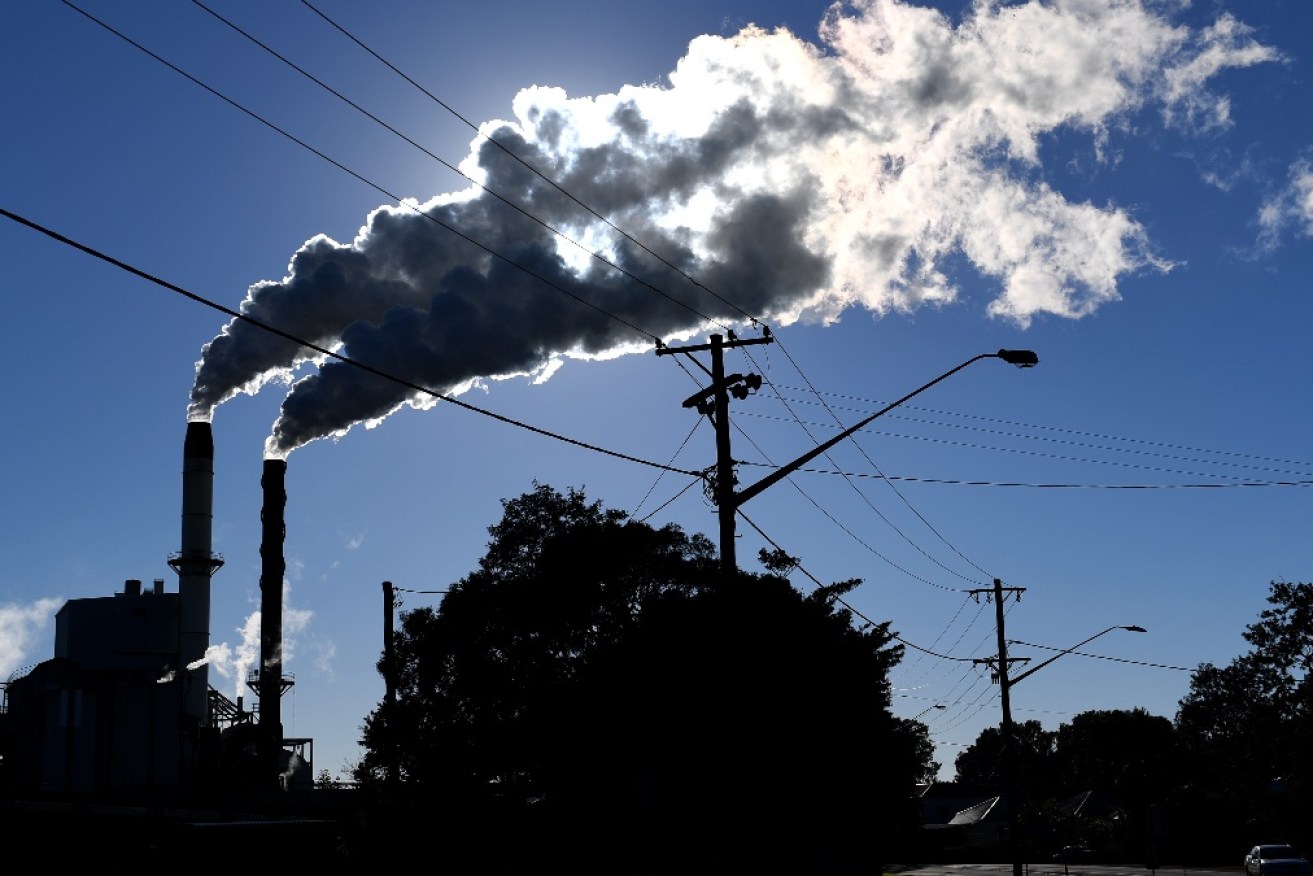
The Liberals' commitment to net zero by 2050 is in doubt. Photo: AAP
Very few businesses will escape demands to come clean on their carbon footprint under the mandatory climate-related reporting regime, experts say.
From January 1, the largest companies and financial institutions will be legally required to measure and disclose their greenhouse gas emissions and show what they intend to do to reduce them.
The climate-related financial disclosures – of risks and scenarios bringing climate upside – must be lodged with the corporate watchdog as part of annual reporting obligations, putting them on par with standard “financials”.
For example, moving people and goods from place to place on Australian roads accounts for almost one-fifth of emissions, which means many firms have been assessing the cost and impact of the electrification of car fleets and delivery trucks.
In the property sector, which is already under pressure to run buildings more efficiently, the broader focus is expected to lead to less waste during construction and more recycled materials being developed.
But the major step up in financial reporting lacks an agreed language, with common definitions for a future sustainable finance taxonomy still to come.
“That’s where organisations can trip up – the differing understandings about what ‘net zero’ means, what ‘clean’ means, what ‘green’ means,” Australian Institute of Company Directors head of policy Christian Gergis told AAP.
Preparedness differed across the market and there were some organisations where this would be the first time they had publicly reported on their exposure to climate risk and opportunity, Gergis said.
“Organisations can no longer say that’s outside my direct control … even if you’re not directly covered, you’re likely to get data requests from others,” he said.
Unlike some other jurisdictions, non-listed companies have been included in the list of liable reporting entities under the changes that are being phased in over four years.
While facing ongoing economic pressures to do more with less, small and medium entities below the various thresholds won’t be required to make climate-related financial disclosures.
But they were already seeing new data demands built into contracts, Gergis said, as larger organisations try to make sure their supply chain had no weak links.
“There will be very, very few Australian businesses who will not be touched by information requests from their larger value chain stakeholders,” Pollination Law managing director Sarah Barker has warned.
Australia’s first sustainability reporting standards are aligned with global standards, putting the nation on par with international best practice, according to Responsible Investment Association Australasia.
Australian Securities and Investments Commission chair Joe Longo, recently named in Time magazine’s Climate 100 list, has promised a “pragmatic” approach to initial supervision and enforcement.
– AAP