Feel like social media is less friendly? You’re probably right

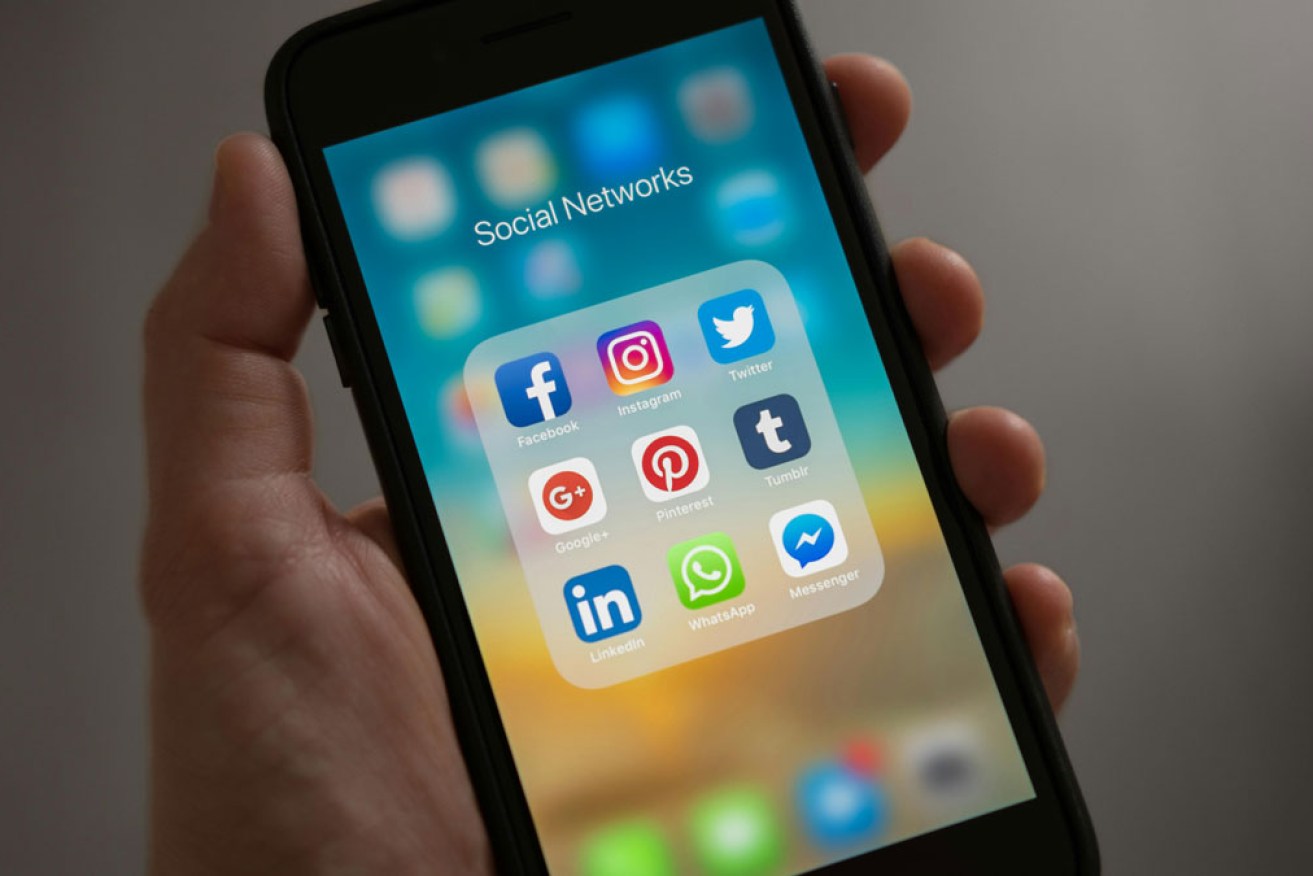
Social media is being taken over by algorithms and adverts as users pull back. Photo: Pexels
If you’ve noticed more posts from strangers and fewer from your “friends” on social media lately, you’re not alone.
The way we use apps like Facebook and Instagram is changing (again) according to new research that shows users are pulling away from being active participants willing to share their news, milestones and experiences.
Data from tech-company Incogni has found that, while we may not be deleting social media apps entirely, most users are now lurkers instead of posters.
“People are quietly withdrawing from active participation in social media,” Incogni claims, based on its study of 1000 US social media users.
It said that while they may not be dumping accounts en masse, many people are posting less, limiting access to their content and deleting stress-inducing apps.
Incogni said people felt that maintaining their online presence was becoming hard work and they were considering withdrawing from social media because of “mental health, polarisation, or privacy”.
It said the findings came as the internet and social media shifted from “being focused on interpersonal communication to being sources of news, spaces for political discussions and sources of algorithmically guided entertainment”.
Some 55 per cent of respondents said they were posting less than they did five years ago, while just 10 per cent were posting more.
Among gen Z, that number rose to 60 per cent posting less, with younger users reporting the most frequent negative emotions associated with social media.
When it came to decisions to totally abandon social media, privacy and security concerns ranked highest at 51 per cent, followed by experiencing harassment, bullying or hate speech (41 per cent), time-wasting or excessive use (32 per cent) and mental health (32 per cent).
Mental health was a particular concern for younger users, with 44 per cent of gen Z and 42 per cent of millennials citing it as a possible reason to leave, compared with 25 per cent of gen X and just 12 per cent of boomers.
Neil J. Rubenking, security writer with PC Mag, said the “death of the status update” was unsurprising.
Rubenking said as a “boomer”, he still used social media the way many people originally imagined it – to stay connected.
“But somewhere along the way, that simple ritual changed,” he said.
“The algorithms started filling my feed with so much irrelevant content, sponsored posts, and suggested videos that the updates from actual friends were getting buried.
“I eventually developed a workaround: I’d hold my hand over the screen, covering everything except the name of the person or group that posted. If it wasn’t from a real human connection, I kept scrolling.”
Incogni said the study underscored the perception that social media had radically shifted from a platform that “used to feel like connection to users and was presumably fun for many people”.
“From algorithms that demand both attention [from users] and subservience [from creators] to a rising tide of AI slop that’s already displaced all too much legitimate content, it’s little wonder that people are limiting what they share while generally withdrawing from online life,” it said.
The Incogni study is backed by similar research pointing to a practical disengagement from social media, including analytics firm Socialinsider’s 2026 benchmark report.
After analysing 70 million social media posts around the world, Socialinsider concluded that engagement was declining “across nearly every major platform simultaneously”.



'Vintage’ Pauline Hanson photo is an AI fake