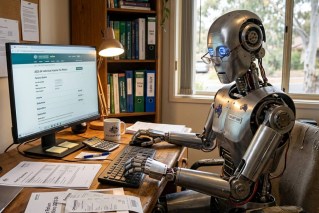
Nonnamaxxing and the fantasy of inherited nostalgia

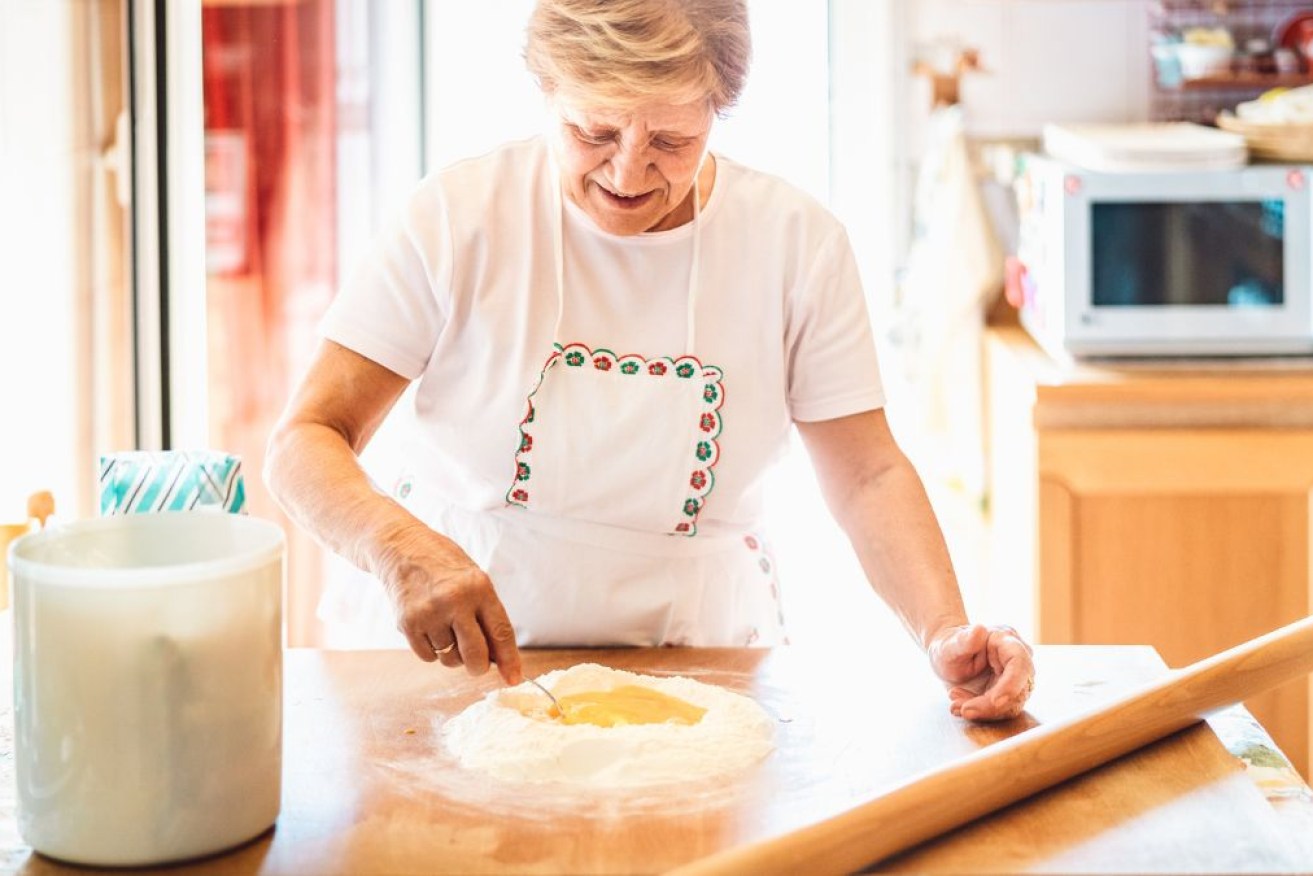
The appeal of nonnamaxxing relies on a nostalgic view of the lives of southern European grandmothers. Photo: Canva
Every few months, the internet invents a new aesthetic.
Cottagecore. Clean girl. Tomato girl summer. Mob wife chic. Now, gen Z has turned its gaze toward the grandmother figure, with “nonnamaxxing” emerging across TikTok and Instagram feeds as a romanticised return to old-world domesticity, slow-living and European nostalgia.
For those who have missed the rise of “maxxing”, the term broadly refers to optimising or intensifying an identity trait or lifestyle aesthetic. Originally born from online self-improvement subcultures – “looksmaxxing”, “gymmaxxing”, “sleepmaxxing” – the phrase has slipped into mainstream vernacular to the point that even politicians and public commentators use it casually. The suffix has become shorthand for turning a lifestyle into an identity performance.
Nonnamaxxing sits somewhere between fashion trend, cultural yearning and algorithmic theatre. Across social media, young women film themselves making slow-cooked ragù, hand-rolling gnocchi, tending tomato plants, hanging washing in sunlit courtyards or dressing in linen and cardigans reminiscent of Southern European grandmothers. The aesthetic leans heavily Italian, Greek and Balkan – all tiled kitchens, espresso cups, olive oil cakes and inherited recipes. It is nostalgia rendered through a soft filter.
The “nonna” derivative itself is telling. Nonna, the Italian word for grandmother, has become detached from its linguistic and cultural specificity and repackaged into a consumable aesthetic category.
Videos are often scored with Dean Martin, old Italian folk songs or French jazz. There are captions about “living slowly”, “rejecting hustle culture” and “embracing old-world femininity”. Increasingly, the trend evokes a broader European imaginary: The village grandmother who cooks all day, lives simply and exists outside modern pressures.
But beneath the aesthetic lies something more complicated.
Nonnamaxxing reflects a broader gen Z fascination with hauntology – the cultural phenomenon where younger generations become obsessed with lost or imagined pasts they never personally experienced (coined by theorist Jacque Derrida).
In an era defined by climate anxiety, housing precarity, economic instability and digital overstimulation, younger people are searching for permanence, ritual and continuity. The grandmother figure becomes symbolic of stability: She cooks, nurtures, gardens and preserves traditions. She belongs somewhere.
Yet the danger of nostalgia is that it edits.
The women being aestheticised online did not live cinematic lives in sepia tones. Many European migrant women who arrived in countries like Australia during the 1950s and 1960s came from societies marked by war, poverty, authoritarianism and deeply entrenched patriarchy. Their stories were often defined less by leisure and simplicity than by sacrifice and survival.
My own parents arrived from Italy during this period, carrying with them the dislocation, expectation and silence that shaped so many migrant families. Like many second-generation Australians, I grew up understanding that behind the abundance of food and ritual sat another story entirely – one about survival, control and endurance.
When my grandmother died, lira were found hidden inside her clothing. She had concealed money in hems and drawers because systems of patriarchy had denied her meaningful access to her own finances, her own accounts and, ultimately, her own autonomy.
These stories are not unusual. They echo across countless Italian, Greek and migrant households throughout Australia, passed quietly between children and grandchildren.
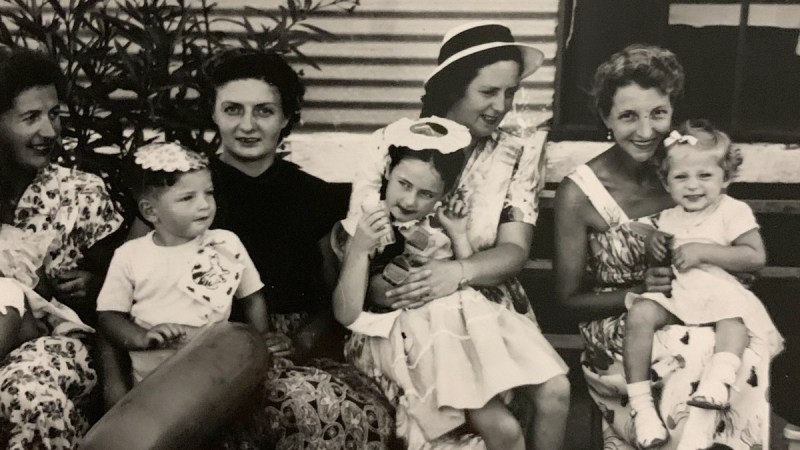
Women and children at Victoria’s Bonegilla migrant centre in the 1950s. Photo: Wodonga Council
Following World War II, Australia actively encouraged migration from southern Europe to support labour shortages and population growth. Thousands of Italians and Greeks migrated under assisted schemes, often entering communities that were socially conservative and economically difficult.
Proxy marriages, where engagements or marriages were arranged across continents through family networks and photographs, formed part of this migration story. Italian and Greek women were sometimes married to men they had barely met before boarding ships to Australia.
Historians of postwar migration have documented how these arrangements were shaped by economic necessity, familial obligation and gendered expectations. Women were expected to become wives first, individuals second.
For many, education ended early. Employment opportunities were limited. Domestic labour became both unpaid work and cultural expectation. Countless migrant women spent decades cleaning, sewing, cooking, preserving food, raising children and supporting family businesses while remaining socially invisible within broader Australian society. Their labour sustained households and communities, yet their emotional worlds often went undocumented.
There is also the question of silence.
Within many migrant families, trauma was not discussed openly. Women who survived wartime deprivation, displacement, domestic violence or forced sacrifice frequently carried those experiences privately.
The grandmother archetype celebrated online (endlessly nurturing, endlessly cooking) can obscure the reality that many women occupied those roles because they had few alternatives. Their domesticity was not necessarily a lifestyle choice but a social obligation shaped by class, gender and migration.
This is where nonnamaxxing begins to drift into cultural appropriation disguised as nostalgia.
The trend extracts the visible markers of southern European grandmotherhood: Food, style, rituals, accents, interiors, while flattening the historical realities behind them. It transforms inherited hardship into consumable moodboarding. The nonna becomes an aesthetic mascot rather than a fully realised woman with political, emotional and social complexity.
That does not mean younger generations are wrong for yearning toward tradition. In many ways, the appeal makes sense.
Nonnamaxxing emerges from legitimate dissatisfaction with hyper-capitalist modernity. Young people are exhausted by productivity culture, digital alienation and the relentless pressure to brand themselves online. The fantasy of slower living, communal eating and intergenerational connection reflects a real hunger for meaning.
But nostalgia without context risks becoming historical amnesia.
Perhaps the deeper irony of nonnamaxxing is that many actual nonnas wanted
The grandmother, then, should not become a symbol emptied of history. She deserves to remain what she always was: Complicated, resilient, burdened, funny, traumatised, resourceful and profoundly human.
Dr Lisa Portolan is a casual academic at the University of Technology Sydney. Her PhD on dating apps and intimacy from Western Sydney University was published in 2024. It has also been released as a book: Love, intimacy and online dating (Routledge, 2023)
Want to see more stories from The New Daily in your Google search results?
- Click here to set The New Daily as a preferred source.
- Tick the box next to "The New Daily". That's it.
Pork barrel rolls out again – it's time for a change
Long-awaited migrant plan reflects needs and fears



Migrant debate is just hot air looking for a problem