Deadly bird flu strain detected on Australian mainland

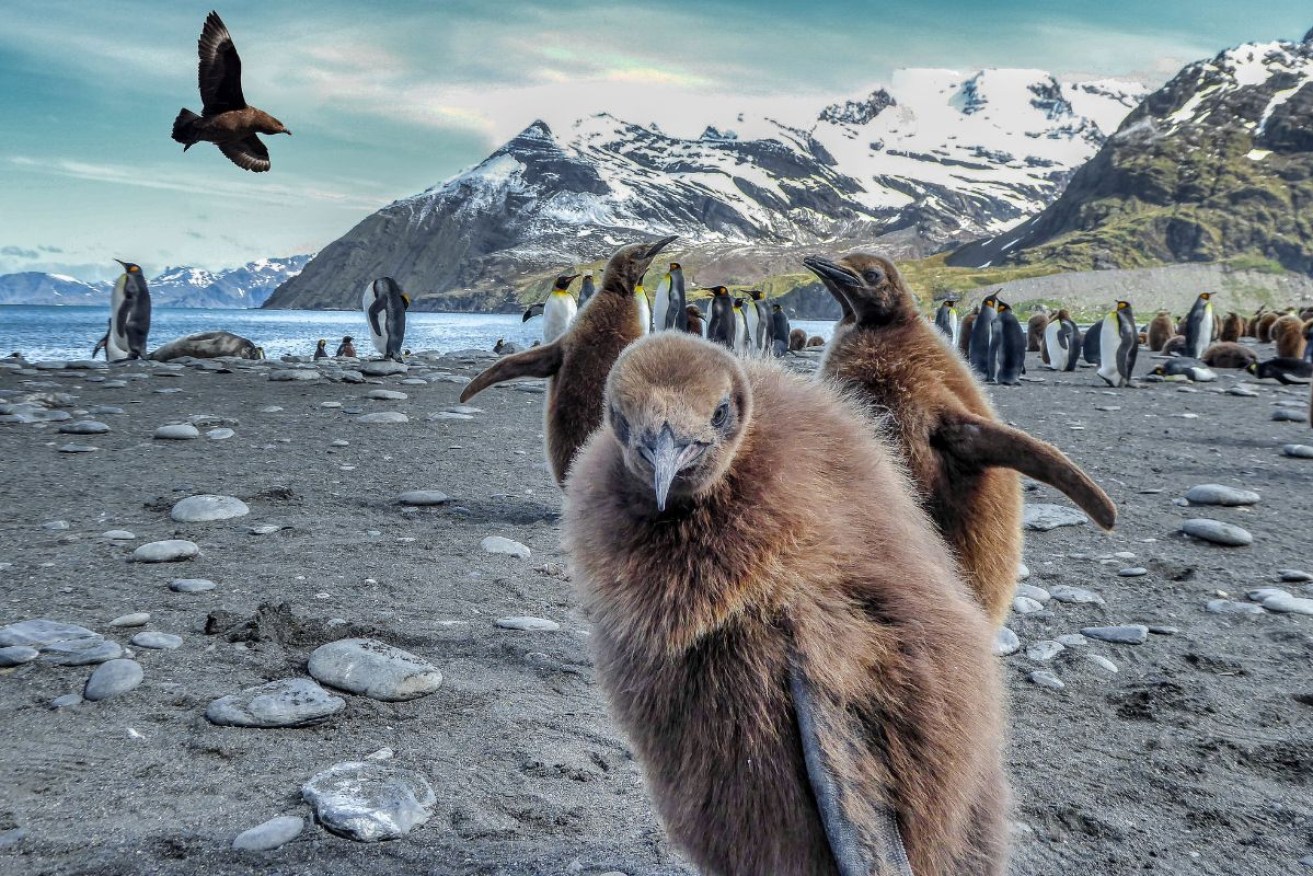
The virus is particularly deadly for penguins. Photo: Pexels
A deadly strain of bird flu that has killed millions of birds and mammals worldwide has apparently been found in mainland Australia for the first time.
Federal Agricultural Minister Julie Collins said the Western Australian Department of Primary Industries and Regional Development was investigating after a single case of the H5 virus is believed to have been discovered in a migratory bird in the state’s remote south.
The highly pathogenic avian influenza has devastated populations of seabirds, seals and other animals across the world.
Confirmation of the potential WA case is expected on Saturday.
If it is confirmed, it will end Australia’s run as the last continent in the world without a confirmed case of H5.
“[The suspected case is] in a single migratory wild bird that was found sick in an isolated area in southern Western Australia,” Collins said on Friday.
“The initial testing at the Western Australian laboratory has returned a suspected positive result for avian influenza.”
She said samples had been sent to CSIRO’s Australian Centre for Disease Preparedness.
“We cannot confirm yet whether it is the strain of concern that is circulating, at this stage, known as the H5 bird flu,” she said.
“There is no evidence of mass mortality at this time, nor is there any evidence of any infection in poultry.”
The discovery comes after the strain of the virus killed more than 13,000 baby seals Australia’s World Heritage-listed Heard Island, which is about 4000 kilometres south-west of Perth.
Carol Booth, Invasive Species Council policy director, said detection of the suspected virus on the mainland was “deeply concerning” given the devastating impacts it was having on wildlife around the world.
“We desperately hope this is not the realisation of our worst dreams,” Booth said.
“The recently reported mass deaths of elephant seals on Heard Island were a harbinger of the potential catastrophe for Australian wildlife if the virus has made it to mainland Australia.
“If H5N1 is confirmed, the government’s own risk assessment predicts potentially catastrophic impacts on native birds, while the virus’s increasing ability to infect mammals raises the prospect of severe impacts on marine mammals and other wildlife.”
Scientists who visited Heard Island estimated 13,359 southern elephant seal pups have died from the disease out of a total population of 17,364 — 76 per cent.
Their study, published in scientific journal BioRxiv on Wednesday, says the figure could be even worse as deaths were continuing when their observations finished.
“It was very sobering but it was something that we were prepared for,” Australian Antarctic Program senior research scientist Jarrod Hodgson said.
The strain was also found in king penguins, Gentoo penguins, Antarctic fur seals and a South Georgia diving petrel.
There was elevated mortality among king penguins and Gentoo penguins. There was also evidence of the disease at nearby McDonald Island.
The study says the H5 strain poses a severe and potentially catastrophic threat to the wildlife of the Southern Ocean because of their large, dense breeding habits.
Elephant seals and albatross are at particular risk given their low reproductive rates and late maturation, meaning population losses cannot be quickly recovered.
It is believed the strain first arrived on Heard Island in August, likely via infected wildlife from Crozet Islands some 1700 kilometres away.
Booth said a mainland detection would be a critical test of Australia’s preparedness and response systems.
“Even if this is a false alarm, it warns against any complacency.
“Australia needs to be ready at any time with clear response plans. It also highlights the urgency of mitigating other threats to potentially susceptible wildlife.”
-with AAP
‘Super pest’ detected in Sydney warehouse
Magnitude 4.8 quake shakes Victoria