Urgent investigation underway after mysterious mass elephant deaths

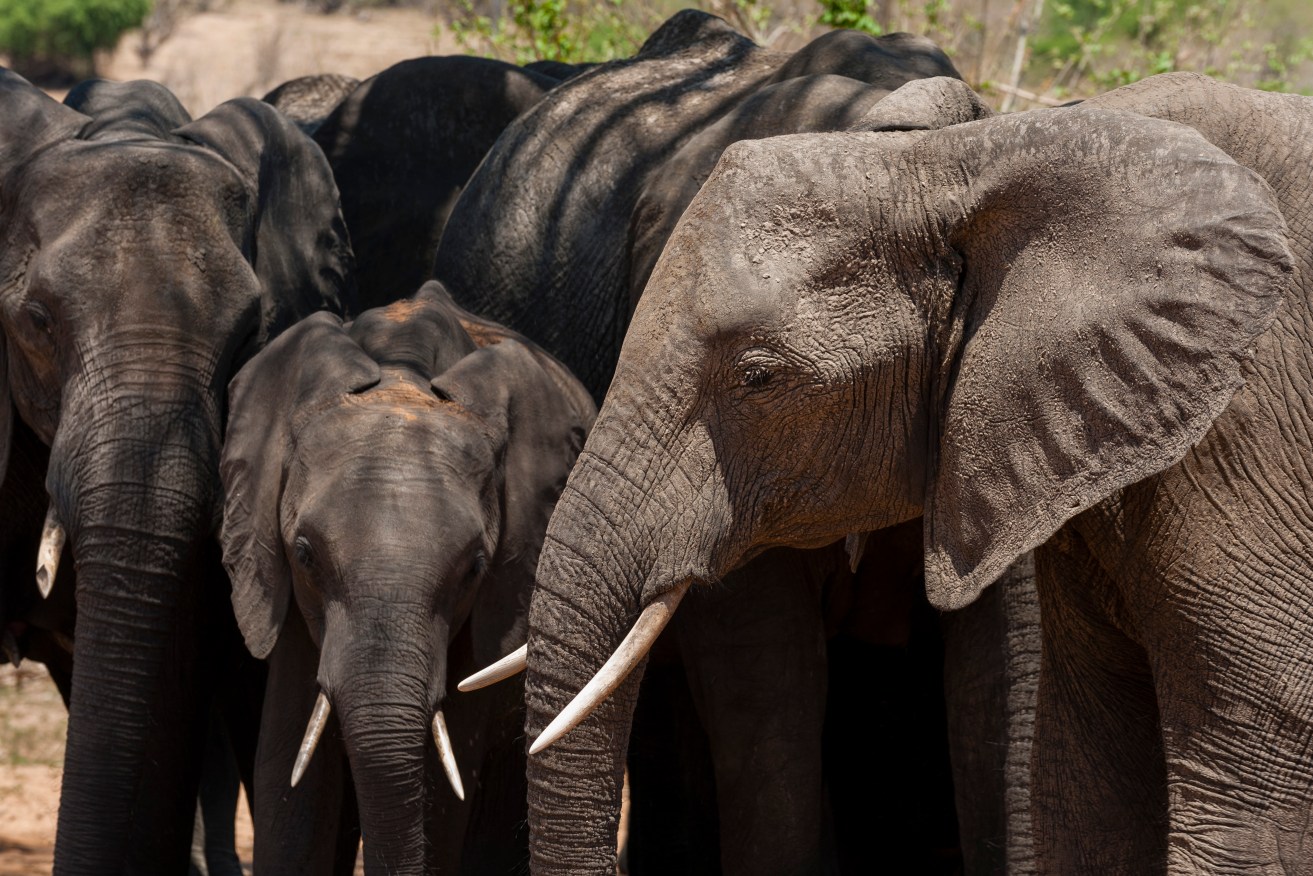
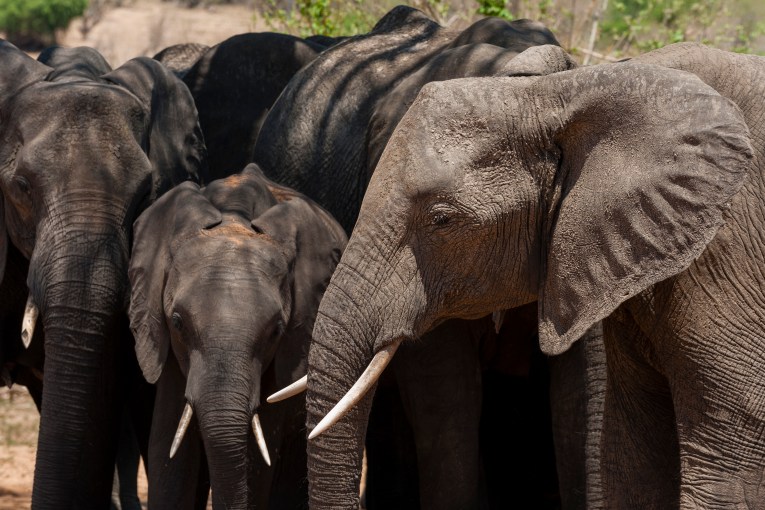
Mothers and their calves appear to be mostly affected. Photo: Getty
The Kenya Wildlife Service has launched an urgent investigation into the mysterious deaths of 14 elephants near the country’s Amboseli National Park.
Officials say this deaths are this scale are the largest recorded in decades in the region, which has experienced a poaching crackdown.
The KWS said there is no evidence so far pointing to a single cause of death and the dead elephants are of different ages and sexes and not limited to a single family or demographic.
The wildlife service said 10 of the elephants were discovered with signs of partial paralysis before dying within two days, while the remaining five were found already dead.
Most of those affected were female elephants and their calves, with only one male among the dead.
The deaths happened in the Kimana Sanctuary and Kuku Ranch areas surrounding the park, the authority said.
Kenya has previously recorded incidents of elephants being poisoned as a result of poaching and human-wildlife conflict.
Experts are examining the carcasses and tissue samples have been sent to laboratories to determine whether the deaths were caused by disease, poisoning or another factor.
Preliminary tests on samples collected from the elephants by a laboratory at the University of Nairobi detected a “potential toxic substance,” while separate analyses by the Government Chemist were negative for the toxins tested.
The authority said further tests are underway.
“Environmental investigations are also being undertaken, including the analysis of water sources and other potential environmental contaminants within the affected areas, to establish whether the elephants were exposed to a common source,” the authority said in a statement.
The authority’s head of communication, Duncan Wanyama, told local media the bodies had been found at different locations surrounding the Amboseli National Park, around 15km to 30km from its boundaries.
The park and its surrounds are designated as the Amboseli ecosystem and straddles the border with Tanzania.
Figures from the Amboseli Trust for Elephants – which monitors the animals – say that as of 2025 there were more than 2000 elephants in the Amboseli ecosystem.
While poaching deaths have declined in many parts of Africa, mass deaths of elephants due to environmental factors are causing increasing concern.
In 2020 350 elephants died of apparent poisoning in Botswana over several months, with a 2024 study linking the deaths to possible poisonous cyanotoxins released by blue green algae blooms in watering holes.
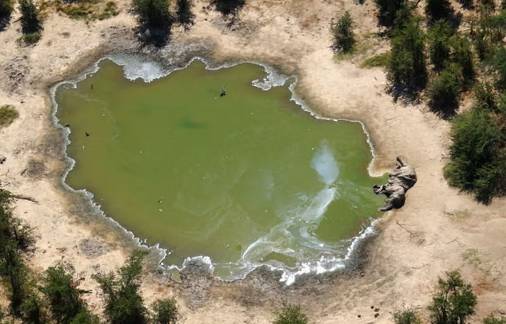
Blue green algae was blamed for 350 elephant deaths in Botswana. Photo: AAP
A little-known bacterial infection called Bisgaard taxon 45 infection was found to have killed 35 elephants in Zimbabwe, according to an analysis published 2023 in the journal Nature Communications.
It found the deaths took place as food and water resources dwindled during the dry season, forcing the elephants to travel increasing distances to look for water and to forage.
In 2022, the Africa Wildlife Foundation in Kenya said that 109 elephants have been recorded dead in the Tsavo National Park during the year due to extreme weather.
“Although cases of poaching have greatly dropped due to surveillance, the number of elephants is now going down significantly because of drought,” it said at the time.
Want to see more stories from The New Daily in your Google search results?
- Click here to set The New Daily as a preferred source.
- Tick the box next to "The New Daily". That's it.