There’s no place to hide when a global catastrophe strikes … except maybe here
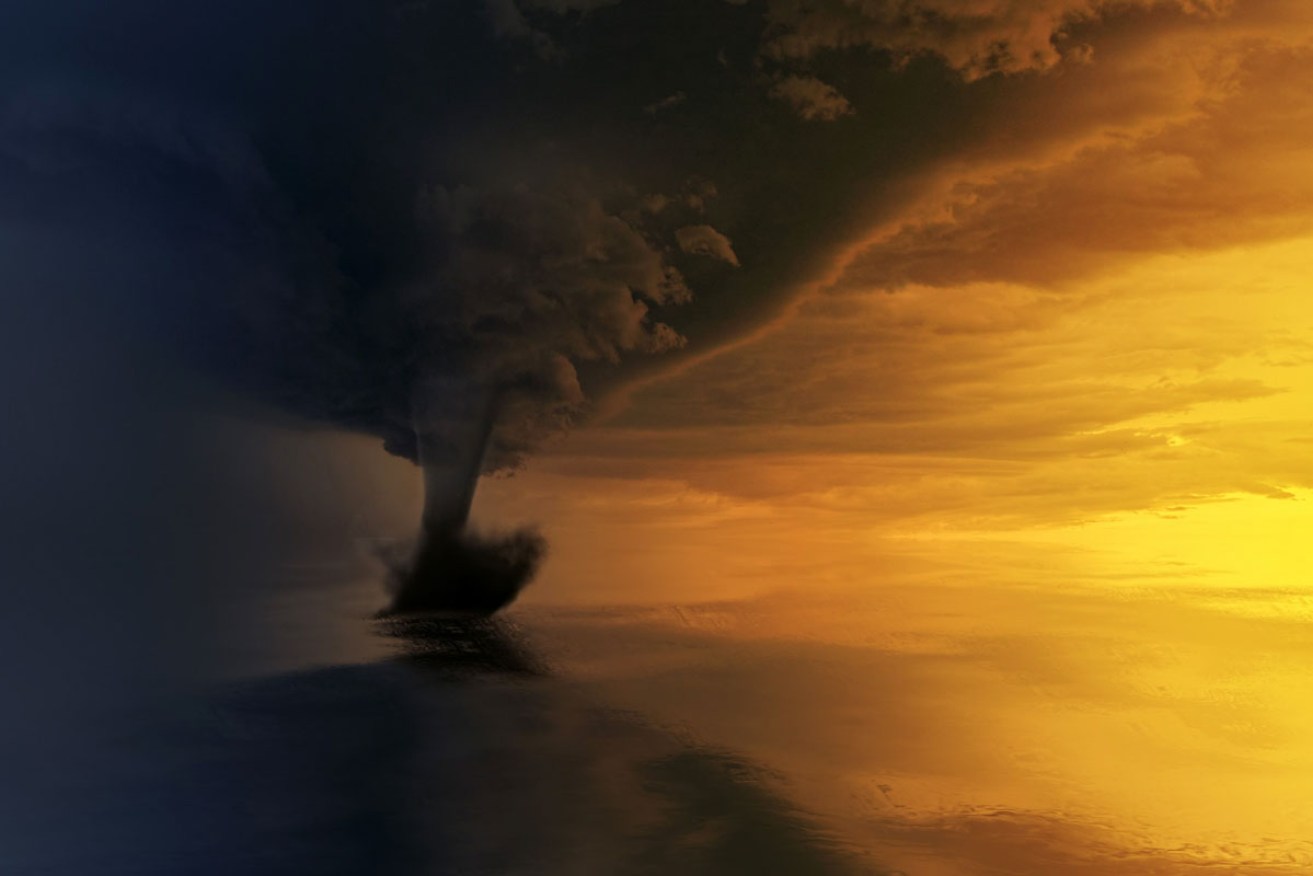
Some countries will be more resilient than others if catastrophe strikes. Photo: Pexels
When a global catastrophe occurs – be it nuclear war, an asteroid strike, geomagnetic storm or massive cyber-attack – where in the world would you want to be?
The answer, according to new research published in open-access journal Global Challenges, is Australia.
Although fires and floods may regularly test our resilience, the scientists concluded Australia would likely be the safest place on Earth in the event of a global catastrophe.
The study’s lead author, Florian Ulrich Jehn, acknowledged the country has “obvious problems with the consequences of climate change”, but said it fared well in the assessment.
“It’s an island, so it can more easily shut itself off and isolate itself,” Jehn, an environmental scientist from the University of Hagen in Germany, told Science Alert.
“Australia produces an incredible amount of food, has a large domestic industry and mining sector. It’s also wealthy and a fairly stable democracy – all things that make a country more resilient.”
In the research paper, titled No Place to Hide, the scientists explain that Global Catastrophic Risk is defined as the risk of death of a “significant fraction of humans” (at least 10 per cent of the world’s population) or a significant loss of wellbeing on a global scale.
In this context, resilience was assessed as “society’s capacity to maintain critical functions and human welfare over time when faced with severe disruptions”.
The team classified global threats into three categories: Abrupt Sunlight Reduction Scenarios (ASRS), Global Catastrophic Infrastructure Loss (GCIL) and the Global Catastrophic Biological Risk (GCBR).
The first type of threat includes large-scale volcanic eruptions, nuclear war or an asteroid strike resulting in a reduction in sunlight reaching Earth for weeks or even months.
The second includes geomagnetic storms and cyber attacks. High altitude electromagnetic pulses (HEMP) caused by the detonation of a nuclear warhead could also disrupt critical infrastructure.
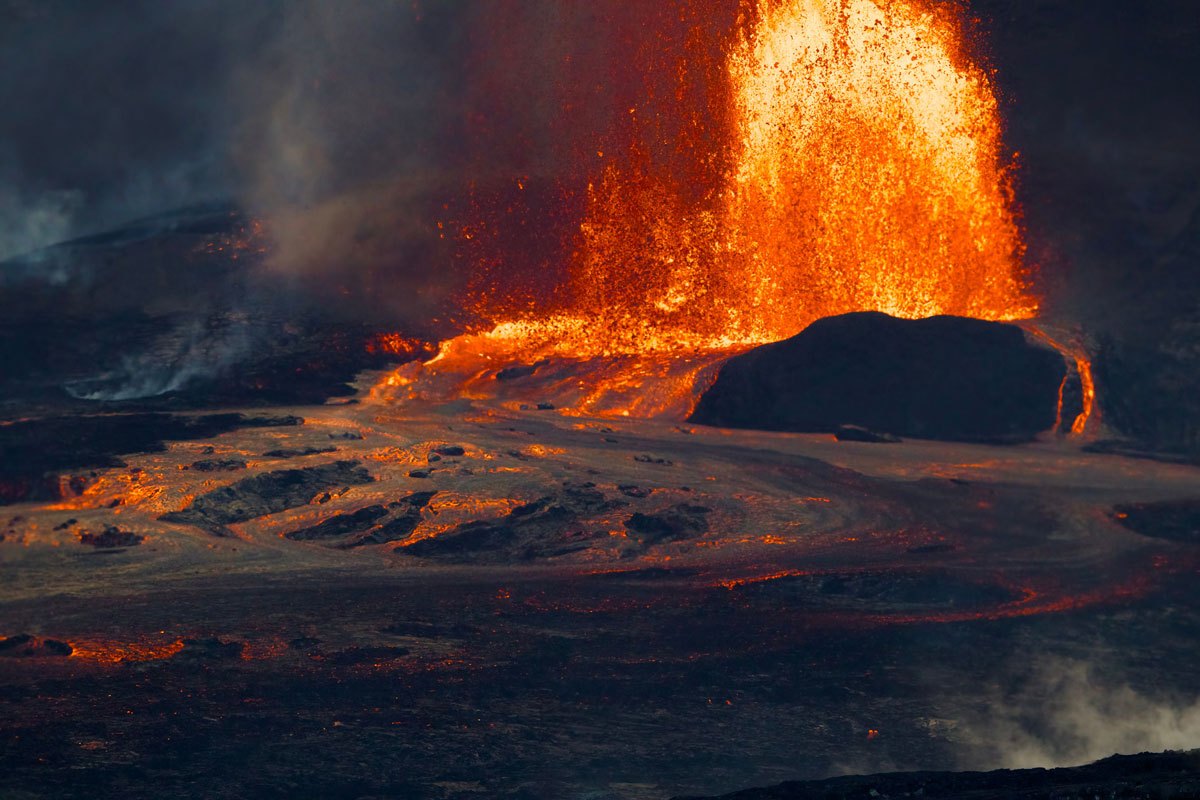
A large-scale volcanic eruption could cause an abrupt reduction in sunlight. Photo: Pexels
Biological risk scenarios are characterised by widespread infectious disease causing mass deaths and severe disruption to society, the paper explained.
“Such catastrophic biological events could arise from naturally emerging pandemics with high transmissibility and lethality, potentially far exceeding the impact of the Covid-19 pandemic, accidental release of dangerous pathogens from laboratory settings, or deliberate deployment of engineered biological weapons.”
The researchers said that across the different categories examined, four resilience factors appeared most consistently:
- Geographic isolation (especially island status or the ability to enforce tight border controls).
- Self-sufficiency (particularly in food production).
- Governance.
- Decentralisation (avoiding single points of failure in infrastructure, food systems, and decision-making).
“Australia is likely the most resilient place on Earth when it comes to GCR,” they concluded.
“It is the country most often mentioned in the documents [reviewed] and has many factors that could enhance its resilience.”
Nearby neighbour New Zealand was mentioned often, but had a number of highlighted vulnerabilities, such as its active volcanoes and a small industrial base. Switzerland, Japan and Argentina were also considered particularly resilient.
The paper concluded that places such as Australia and New Zealand could serve as “anchor points for a global resilience architecture” – for example, by hosting food stockpiles and seed banks.
But while Australia may be the most resilient, the researchers stressed that nowhere was immune from Global Catastrophic Risk.
“Even this country… is vulnerable to specific hazards and dependent on continued international trade for fuel, medicine, and fertiliser.
“There is truly no place to hide.”
‘Super pest’ detected in Sydney warehouse