‘Affluent mosquitoes’: Pesky threat on the way for the well-heeled

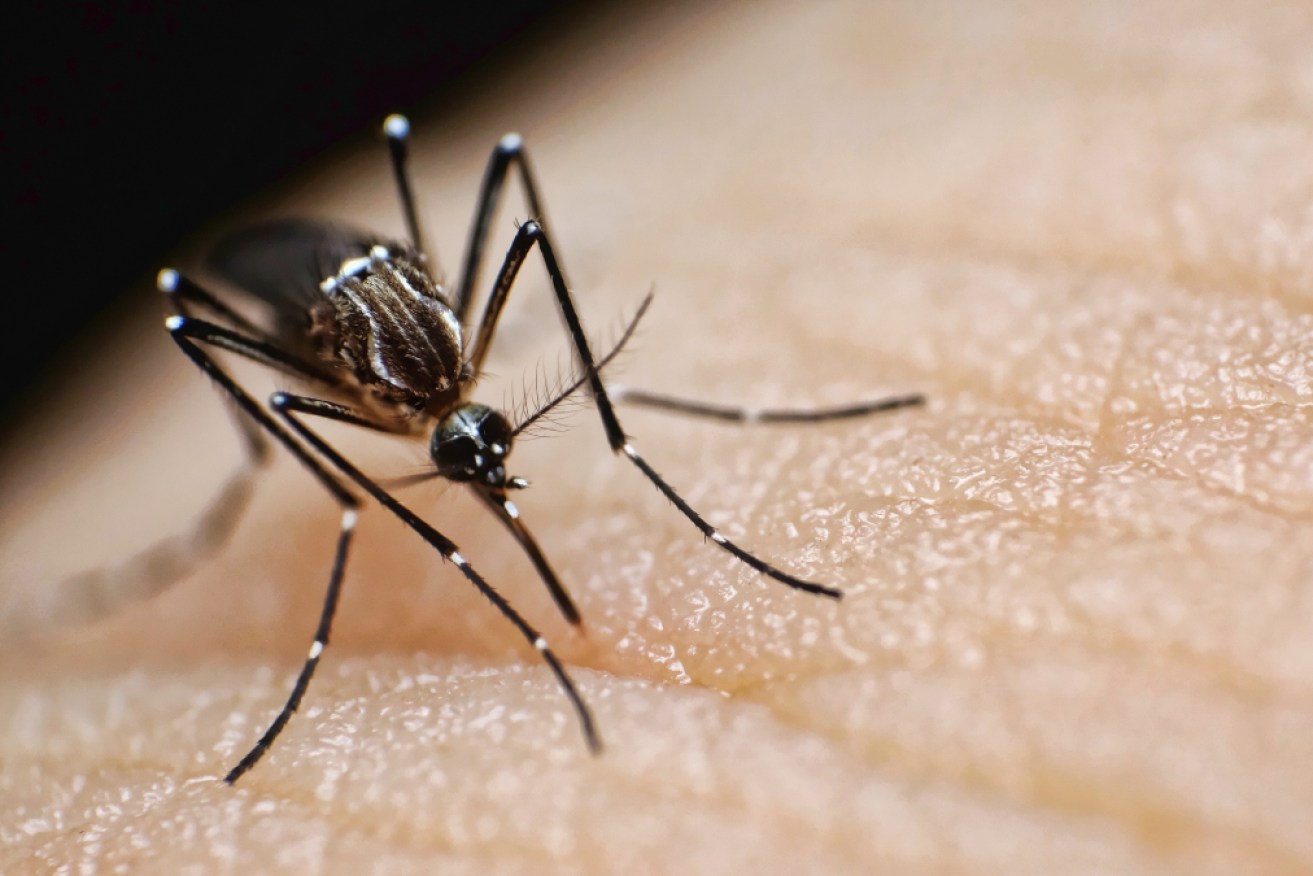
Science has found that mosquitoes in richer areas are becoming resistant to pesticides. Photo: Getty
Mozzies who live near the well-heeled may have evolved to be the hardiest, US research has uncovered.
Scientists from the University of Georgia studied tiger mosquitoes in 31 residential areas in Raleigh, North Carolina, and found the blood-thirsty pests were most resistant to insecticides among neighbourhoods with the highest property values.
The researchers suggested the more frequent use of household and contracted pest control in wealthier areas may be unintentionally accelerating the evolution of insecticide-resistant so-called “affluent mosquitoes”.
Beyond causing painful, itchy bites, mozzies can also transmit numerous dangerous diseases. Scientists warn that as mosquitoes become more resistant to insecticides – sometimes known as knockdown resistance – they pose a growing threat to public health.
“Insecticide resistance has remained one of the great global challenges over the last 70 years,” Sydney University entomologist Thomas Schmidt said.
“Mosquitoes have evolved resistance to most widely-used insecticides, and resistance can quickly spread across countries and continents when mosquitoes get moved around on boats and other vehicles.”
So can we expect to see Australia’s expensive real estate become fertile ground for tougher, insecticide-resistant mozzies?
For now, at least, the answer appears to be no. Unlike in the US and many other countries around the globe, so far, Australian mosquito populations remain vulnerable to pyrethroids – the world’s most used insecticide.
A 2017 University of Melbourne report found that while pyrethroid resistance was already widespread among mosquito populations in Asia and the Americas, Australian mosquitoes had so far not developed the same resistance.
Lead researchers Ary Hoffmann and Nancy Endersby-Harshman say that while there has been no large-scale testing of Australian mosquitoes since, there have been no reports of control failures, and they expect the finding still holds.
“We don’t anticipate that the situation around resistance in Australia has changed given that there is careful use of pesticides around any disease outbreaks and, in the case of dengue, these have been infrequent in recent years,” Hoffman and Endersby-Harshman said.
Schmidt said this was because mosquito control in Australia had not routinely resorted to pyrethroid use as heavily as in other parts of the world, limiting the evolutionary pressure that can allow resistant mosquitoes to survive and spread.
“Australia is a world leader in new forms of mosquito control that don’t use insecticide,” he said. “For example, 15 years ago we pioneered the use of mosquito control using Wolbachia, a type of bacteria that lives in insect cells.
“The bacteria reduces the ability of mosquitoes to spread dengue, which is why we haven’t had major dengue outbreaks since.”
This doesn’t mean mosquitoes aren’t a public health concern in Australia.
Mosquito-borne diseases such as Japanese encephalitis, Ross River virus and Murray Valley encephalitis are common across many parts of Australia and can cause serious illness and, in some cases, even be fatal.
While dengue fever is not permanently established in Australia, there are periodic outbreaks in some areas, with Central and Far North Queensland most at risk.
As tempting as it is to wage chemical warfare on every buzzing intruder, Schmidt said the best way to reduce mosquito numbers around the home was to remove standing water from pot plant saucers, buckets, gutters, bird baths, tarps and other containers where mosquitoes can breed.
“Dengue-transmitting mosquitoes like the tiger mosquito and the yellow fever mosquito are container breeding mosquitoes, meaning they lay their eggs not in permanent water bodies like lakes and rivers, but in temporary water bodies like gutters, flowerpots, and bird baths,” he said.
“Removing any water sources like these reduces the options for mosquitoes to lay their eggs.”
People should also use repellents, cover up when mosquitoes are active, and make sure flyscreens are in good repair.
Insecticides still have a role, but repeated, unnecessary spraying may increase the pressure that helps resistant mosquitoes survive.
Hoffman and Endersby-Harshman said the latest US research was evidence of how overusing insecticides could backfire.
“Australians should recognise that strategic, integrated control of mosquitoes, as provided by local government organisations, reduces the risk of resistance developing,” they said.
“As soon as chemical applications become common and routine, mosquito populations are set on course to develop resistance.”
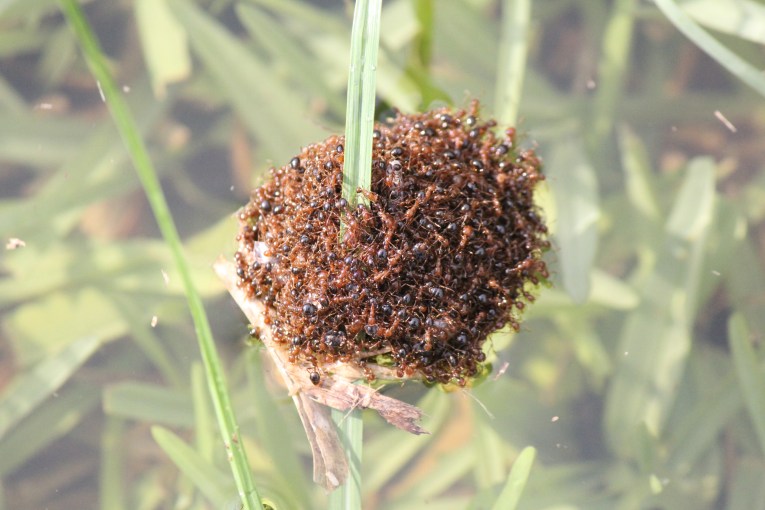
‘Super pest’ detected in Sydney warehouse