Stomach-churning stat reveals our dirty handwashing secret

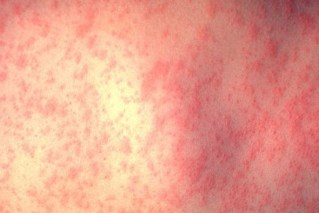
Source: US Centres for Disease Control
Thursday is Global Handwashing Day, and here’s a timely stomach-churning statistic – more than a quarter of Australian men and nearly one in five women don’t always wash their hands after using the toilet for a No.1.
And that’s not the worst of it.
The findings are from the Food Safety Information Council’s latest study of our handwashing habits.
With help from Accord Australasia, the peak national industry association representing manufacturers and suppliers of hygiene and personal care products, the council asked 1239 people aged 18-plus across Australia about their handwashing habits.
Council CEO Lydia Buchtmann said the annual survey usually asked if people always washed their hands after going to the toilet and before handling food.
“The last two years we have asked slightly different questions about whether they always washed their hands after a ‘pee’ or after a ‘poo’, and the surveys have come up with some interesting – not to mention disturbing – results,” Buchtmann said.
“[Some] 27 per cent of men and 19 per cent of women surveyed said they didn’t always wash their hands after a pee.”
Buchtmann said handwashing after a visit to the smallest room was essential as toilets and bathrooms were also favourite places for harmful bacteria to hang out.
“Of even more concern, 13 per cent of men and 10 per cent of women said they didn’t always wash their hands after a poo. This is really a worry as faeces may contain harmful bacteria, viruses and even parasites,” she said.
“If you don’t wash your hands after going to the toilet, you will be spreading the risk of diseases, especially as in our latest survey 45 per cent of men and 35 per cent of women also admitted that they didn’t always wash their hands before handling food.”
The US Centres for Disease Control says handwashing with soap and water is one of the simplest, most effective ways to stop the spread of germs and stay healthy.
It notes that teaching people about handwashing can reduce the number of those who get sick with diarrhoea by up to 40 per cent, and cut the number of school days children miss because of gastrointestinal illness by as much as 57 per cent.
It will also cut diarrhoeal illness in people with weakened immune systems by more than half and reduce respiratory illnesses, such as colds, in the general population by up to 21 per cent.
The Food Safety Information Council’s advice is to always wash and dry your hands:
- before handling, preparing and eating food
- after touching raw meat, fish, seafood, shell eggs or poultry
- after using the toilet, attending to children’s (or others’) toileting, and changing nappies
- after blowing your nose
- after touching a pet, cleaning up animal pee, poo or vomit or cleaning cat litter trays
- after gardening.
To that list, the Australian Institute of Food Safety will add that we should wash our hands after sharing your mobile device.
“You might be surprised to see [that] make the list. [But] your mobile device has 10 times more bacteria than a toilet seat,” it says.
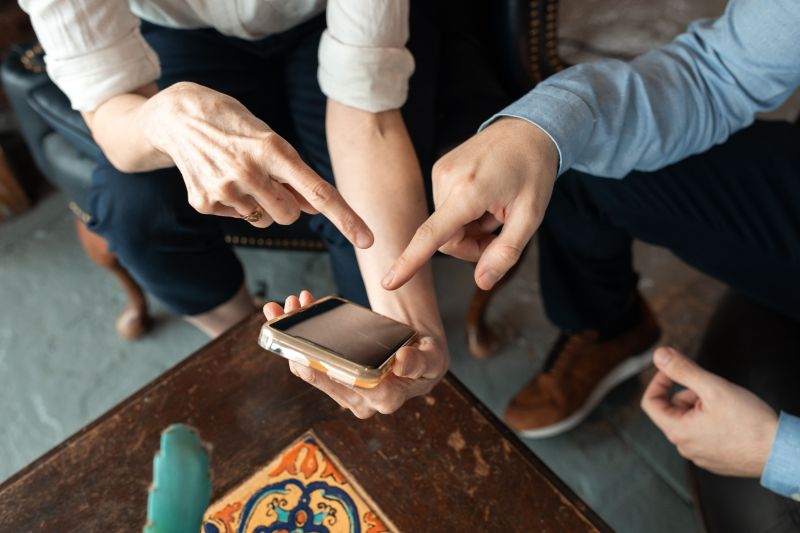
Our phones are germier than a toilet seat. Photo: Pexels
The Food Safety Information Council also has the low-down on the correct way to wash hands:
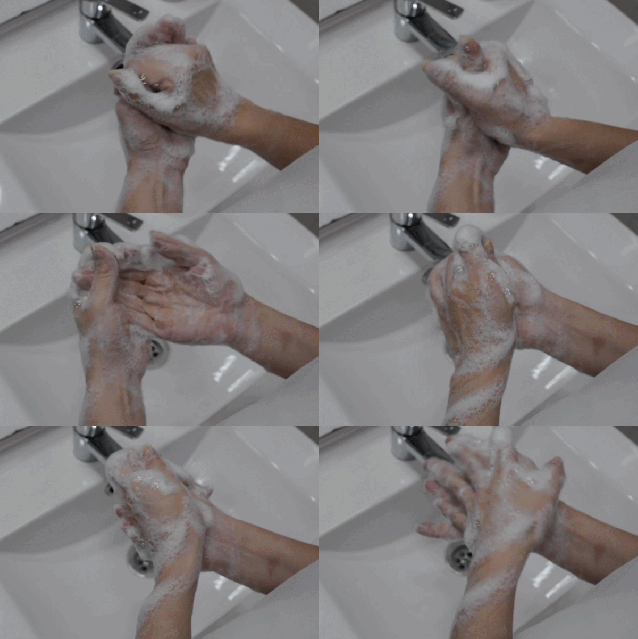
- Wet your hands and rub them together well to build up a good lather with soap for at least 20 seconds – and don’t forget to wash between your fingers and under your nails. You might have to use a nail brush.
- Rinse well under running water to remove the bad bugs from your hands.
- Dry your hands thoroughly on a clean towel for at least 20 seconds. Touching surfaces with moist hands encourages bugs to spread from the surface to your hands.
- If no running water is available, use an alcohol gel hand rub.