Use it or lose it: Why strength matters as we age
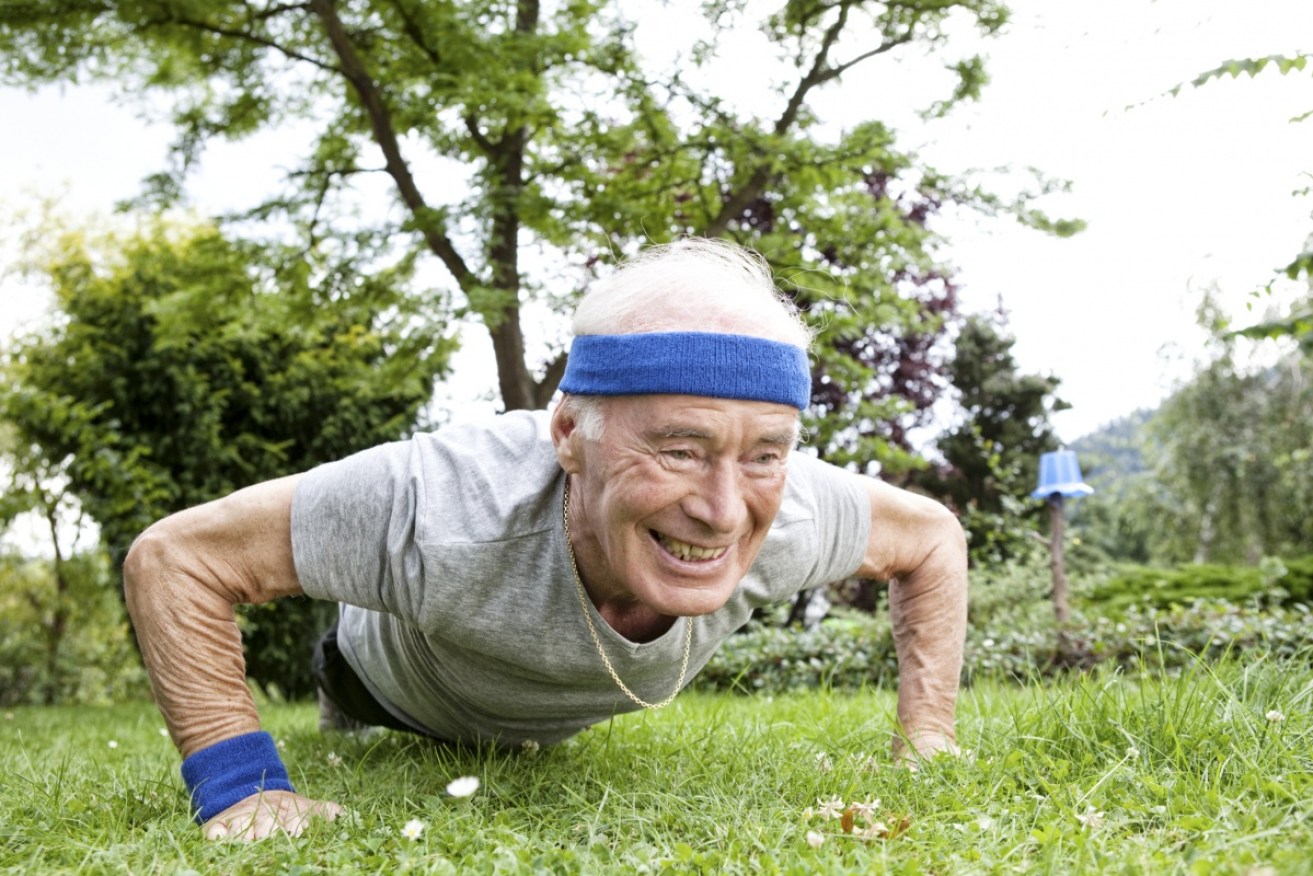
Strength training at any age is important for quality of life. Photo: Getty
No one wakes up one morning suddenly weaker and no longer able to do the things they could the day before. Yet somewhere along the way, many of us have come to accept becoming frail as an inevitable part of ageing, rather than something we can take action to slow – or even reverse.
Increasing research show, frailty in old age is not a fait accompli, and maintaining muscle strength can be one of the most important ways to protect our health and independence as we age.
It’s a message Dr Coralie Wales, public health advocate and founder of charity Strong Australia, is determined to spread.
For years, Wales watched her mother gradually lose her strength.
Bonnie Jean Tosswill had been a prolific artist, but as she grew older, everyday tasks became harder and her independence slowly disappeared.
“I remember the day mum told me she no longer had the strength to get in and out of bed, so she decided to sleep in her chair instead,” Wales said.
“I assumed this was simply what ageing looked like.”
Her mother’s decline didn’t happen suddenly. It was gradual, “almost invisible”, Wales said.
Eventually, the loss went beyond physical ability.
“My mother lost her identity,” Wales said. “I say that frailty stole her identity. It was horrible to watch.”
Tosswill died at 94, but her experience stayed with her daughter.
Now Wales wants Australians to stop thinking of frailty and severe weakness as simply an unavoidable part of growing old.
It’s one of the key reasons she established Australia’s inaugural National Strength Day, aiming to put maintaining muscle strength on the healthy-ageing agenda.
Australia spent an estimated $270.5 billion on health in 2023-24, yet just $5.3 billion of recurrent health expenditure went towards public health activities, according to the Australian Institute of Health and Welfare.
There is also a significant price attached to inactivity. Physical inactivity contributed an estimated $2.4 billion to health spending in 2018-19. Conversely, physical activity and sport prevented an estimated $1.7 billion in disease spending, including around $488 million associated with falls.
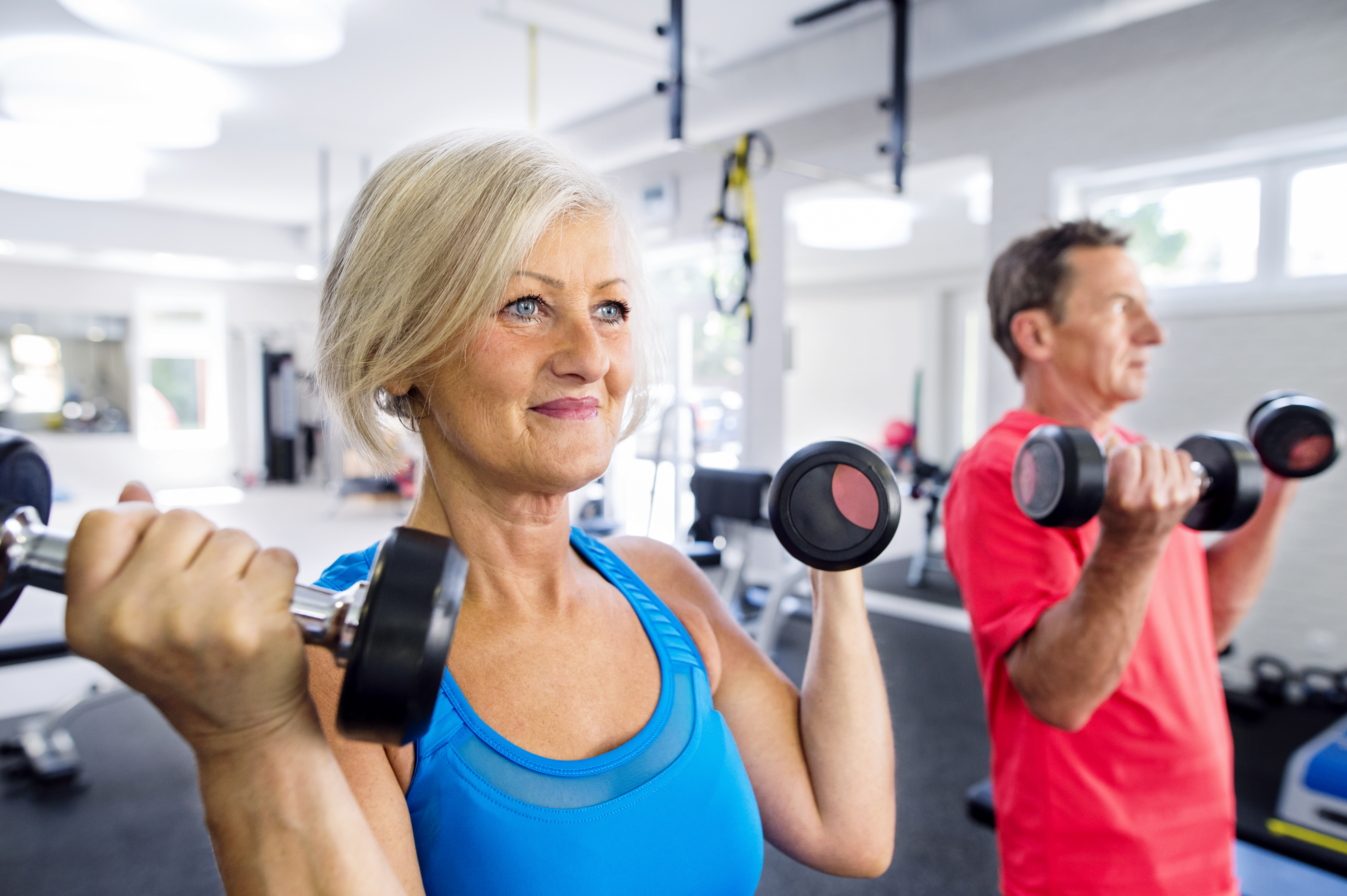
Strength training protects you against muscle and bone loss as you age.
Strength is about more than muscles
Strength training isn’t just gym junkies and muscle bros. In terms of ageing, its value is far more ordinary – and more important.
Having strength allows you to walk comfortably, climb stairs, carry groceries, rise from a chair without assistance, garden, play with your grandchildren and get yourself out of bed.
Those abilities can become increasingly important with age.
Muscle mass and strength generally peak at around 30 to 35. Muscle power and performance then decline gradually, with the losses accelerating after about 65 for women and 70 for men, according to the US National Institute on Aging.
But that trajectory isn’t set in stone. The institute says the average decline in strength and power can be substantially slowed by remaining active, while many older people can actually increase their muscle strength through exercise.
Exercise scientist Dr Jackson Fyfe said one of the biggest misconceptions about strength training was that it belonged to the young.
“It really is for people across the whole lifespan,” he said.
“It becomes increasingly important as we get older. It’s one of the most effective ways people of all ages can improve their health, maintain their independence and enjoy a better quality of life.”
Walking is great – but it doesn’t do everything
Research published by the University of Sydney in 2025 found around 7000 steps a day was associated with substantial health benefits, including lower risks of cardiovascular disease, dementia and premature death.
But walking and strength training aren’t interchangeable.
“Ideally we should be doing both,” Fyfe said. “Walking and strength training do different jobs.
“Strength training is really essential for building the muscles we need to climb stairs, reduce our risk of falls, and remain independent.”
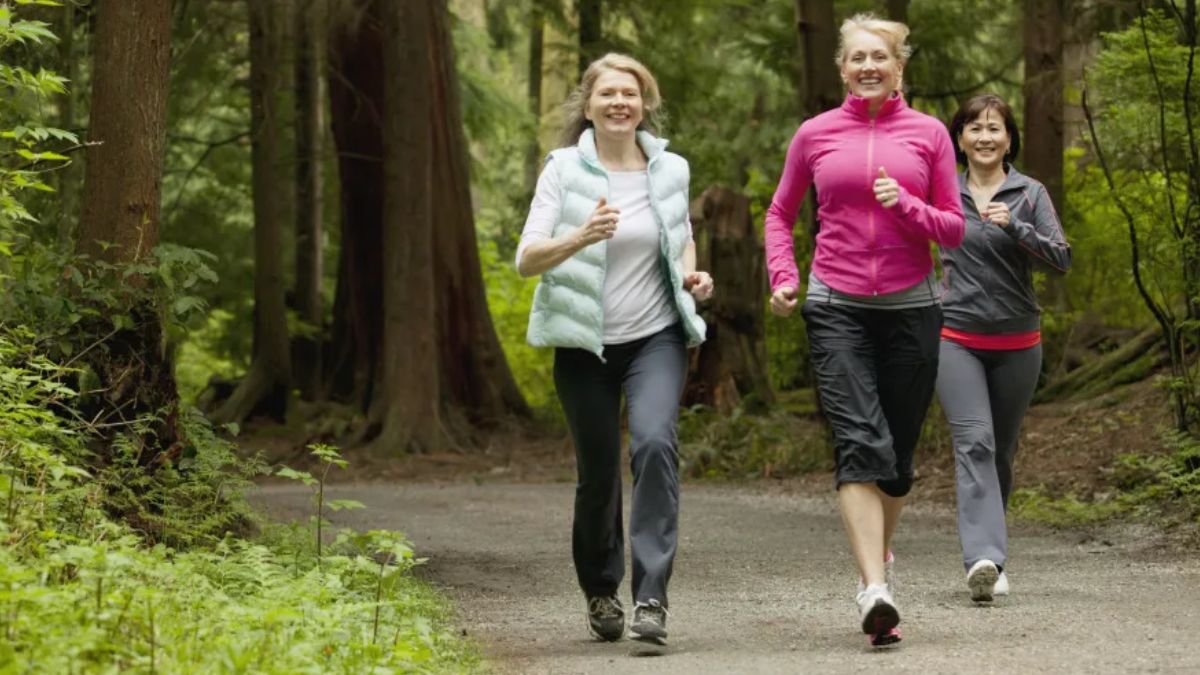
Achieving a certain number of steps a day is known to help people live longer. Photo: Getty
New Australian research agrees. A University of Queensland-led study following more than 8000 Brisbane adults for nine years found those who consistently met recommendations for both aerobic and muscle-strengthening activity were less likely to develop a range of chronic diseases than those who met neither.
They had a 50 per cent lower risk of developing type 2 diabetes, a 24 per cent lower risk of hypertension and a 23 per cent lower risk of cancer.
The researchers say the results suggest public health messages – which have traditionally focused heavily on aerobic exercise – need to put more emphasis on muscle-strengthening activity too.
There is encouraging evidence for people starting later in life, too.
A Danish randomised controlled trial involving people around retirement age found one year of supervised heavy resistance training produced benefits that were still apparent several years later.
At the four-year assessment, people who had undertaken the heavy resistance program had maintained their baseline leg strength, while strength had declined in both the moderate-intensity and control groups.
So, do you need to start lifting heavy weights?
Not necessarily – and “heavy” means different things to different people.
Award-winning fitness educator Mish Wright said the important principle was progressive overload: Gradually asking your muscles to do a little more.
That could mean increasing the weight you’re lifting, doing another repetition or set, slowing a movement down or increasing its range.
How challenging an exercise feels is more important than the number stamped on a dumbbell.
“Heavy is relative,” Wright said.
And strength training doesn’t have to mean walking into a weights room.
“Strength training doesn’t have one aesthetic, one location, or one personality type,” Wright said.
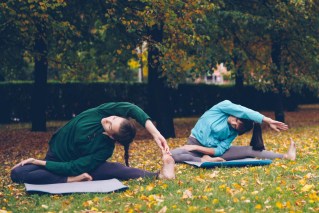
“You can build strength through dumbbells, bands, reformer Pilates, yoga variations, outdoor training, and bodyweight movements – as long as you progressively challenge the muscles over time.”
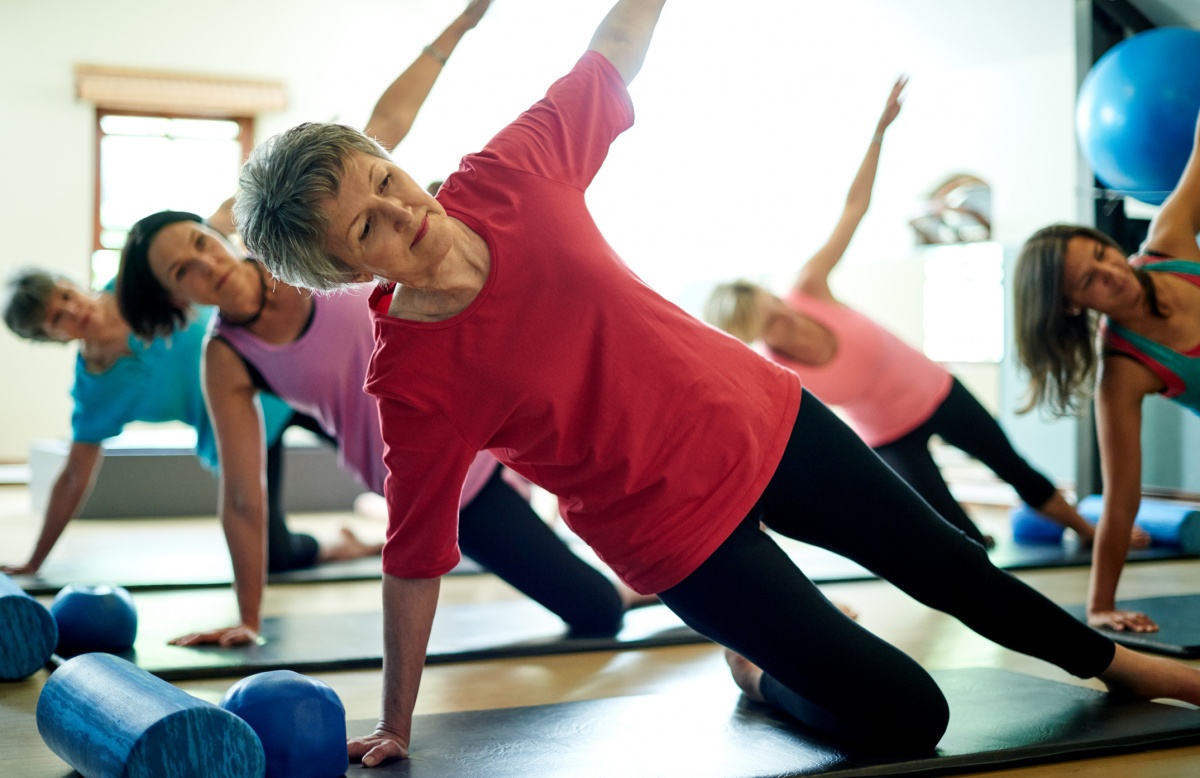
Pilates and yoga are popular floor excercises for gaining strength.
Australian guidelines recommend adults do muscle-strengthening activities on at least two days each week.
For someone who has done little exercise for years, however, the first step can be much smaller.
Accredited exercise physiologist Dylan Grubb said exercise could be adapted to a person’s abilities, injuries and health history. If someone has knee or back pain, for example, that doesn’t necessarily mean exercise is off the table.
“You should never put your entire body aside for the sake of one joint,” Grubb said.
“The goal is to ultimately find ways to safely and effectively exercise for the long term, no matter someone’s ability or health history.”
People with chronic health conditions or significant mobility limitations should seek appropriate professional advice about getting started.
-with AAP