How 90 minutes of strength training can help you live longer

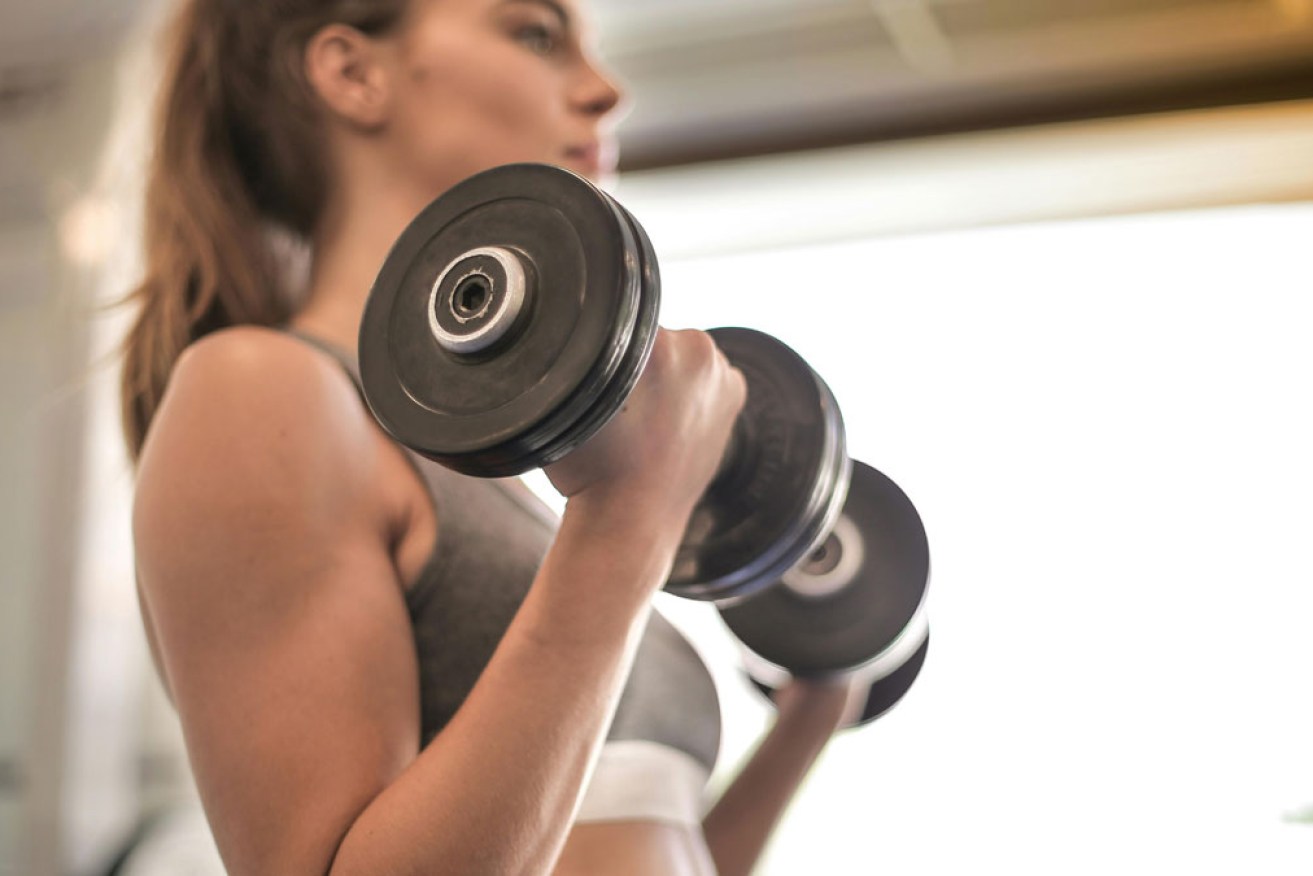
Strength training can bring a wide range of benefits. Photo: Pexels
Just 90 minutes to two hours of strength training a week – the length of an average movie or afternoon nap – can reduce your risk of an early death.
That’s the finding of research published this week by the British Journal of Sports Medicine, which suggests that pounding the pavement or sweating on a spin bike aren’t the only ways to improve longevity.
Researchers drew on 30 years of data from more than 147,000 participants over three different US studies, concluding that 90 minutes to two hours a week of strength training was associated with a 13 per cent lower risk of death from any cause.
“And 90-119 weekly minutes of strength training was specifically associated with a 19 per cent lower risk of dying from cardiovascular disease, and a 27 per cent lower risk of dying from neurological disease [such as dementia or Alzheimer’s],” the study reported.
Interestingly, no further benefit was seen above two hours a week.
While the health benefits of aerobic exercise – such as running, swimming, cycling and stair climbing – are well known and accepted, the impact of strength or resistance training in reducing the risk of early death has previously been less clear.
Across the three decades they were monitored, the participants in the recently released research were questioned about the amount of time they spent each week on both aerobic activity and strength training, which included exercises that use weights as well as things like press-ups, squats and lunges.
“For people who are less active, the key message is that small amounts can still matter,” study authors Edward Giovannucci and Yiwen Zhang, of the Harvard TH Chan School of Public Health in Boston, told Everyday Health website.
“Building a routine gradually may be more important than trying to do a lot at once.”
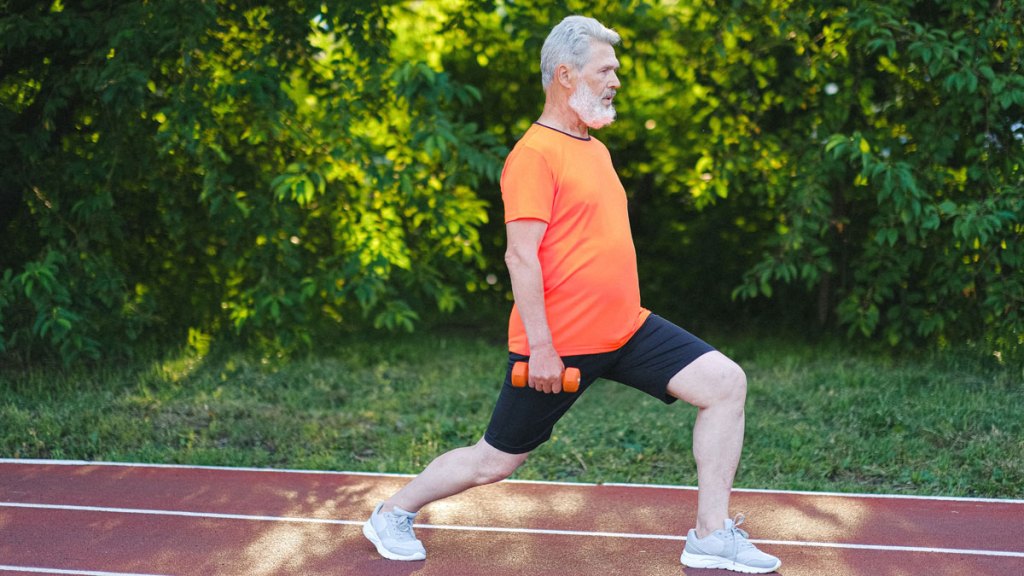
Strength training includes lunges and other exercises that use your body weight as resistance. Photo: Pexels
The researchers – who acknowledged that there were limitations to the observational study – found that the potentially life-extending benefits of strength exercise were amplified in those who also did aerobic exercise.
Commenting on the results, primary-care sports medicine specialist Clarinda Hougen told Healthline it was important that people did aerobic exercise that increases the heart rate.
“This new study finds another important aspect of exercise is strength training, including free weights, weight machines, and body-weight exercises,” said Hougen, who is based at Cedars-Sinai Orthopaedics in Los Angeles and was not involved in the research.
“By training and growing your muscle mass, you can improve your metabolic health and help reduce cardiovascular risk.”
While some people opt to use gym equipment such as leg presses, dumbbells and resistance bands for strength or resistance training, others incorporate things like lunges, push-ups and squat. Exercises such as Pilates may also be included, although they were not part of the recent study.
Aside from helping longevity, Victoria’s Better Health website lists numerous other potential benefits from resistance training, including:
- Improved muscle strength to protect joints
- Better mobility, flexibility and balance
- Increased bone density and reduced risk of osteoporosis
- Weight management and an increased muscle-to-fat ratio
- Greater stamina
- Pain management
- Increased self-esteem and sense of wellbeing
- Better sleep
It notes that the Australian Physical Activity and Sedentary Behaviour Guidelines recommend adults do strength-building exercises at least two days a week, and says these should work all major muscle groups: Legs, hips, back, chest, core, shoulders, and arms.
Experts advise that people consult their doctor before beginning an exercise program, as well as starting out with lower weights and repetitions to gradually build up strength and avoid injury.
Want to see more stories from The New Daily in your Google search results?
- Click here to set The New Daily as a preferred source.
- Tick the box next to "The New Daily". That's it.