Audiences reveal appetite for multicultural Australia on-screen
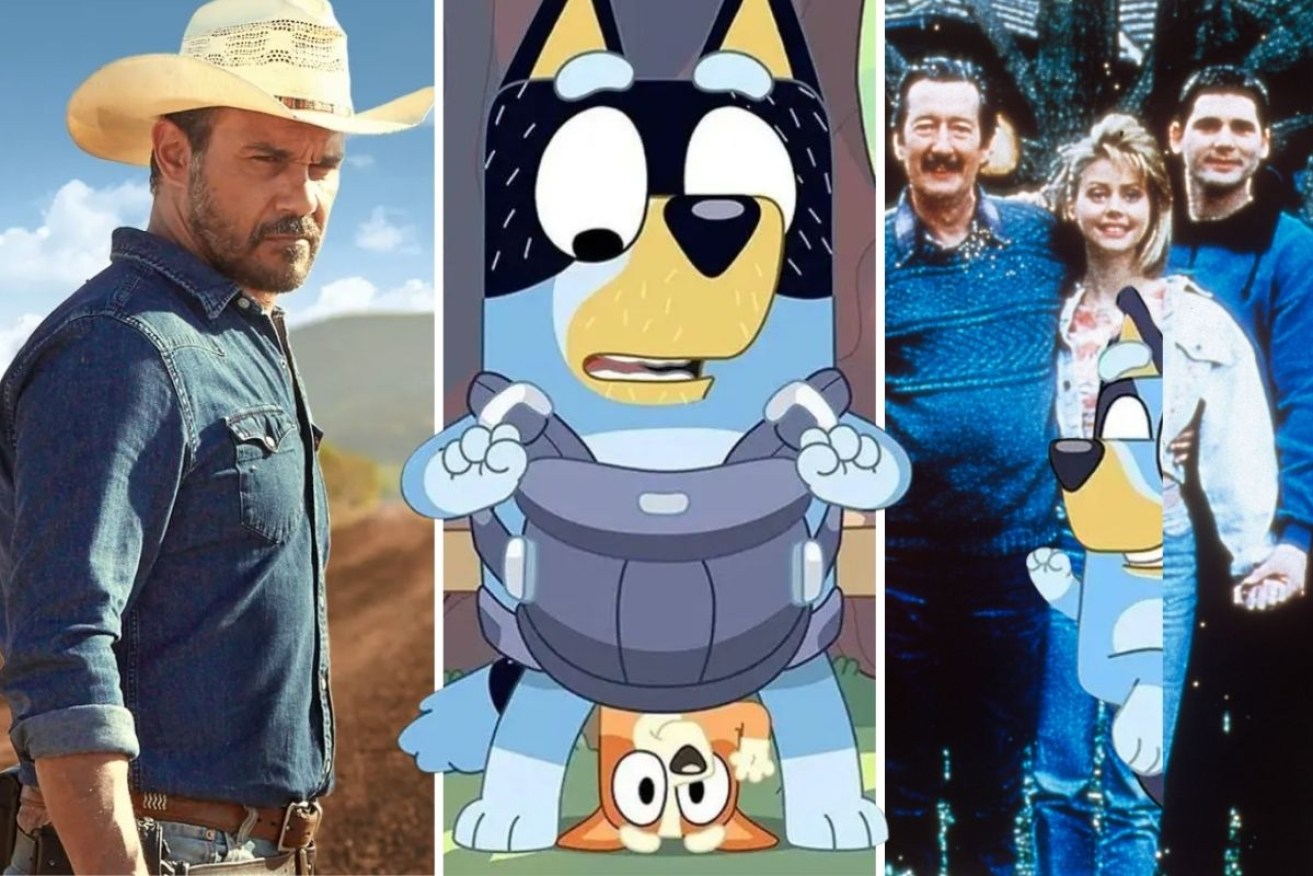
Australians want to watch our stories, even if finding them is getting harder. Image: TND
Screen stories still shape us: They are crucial to how we form identity and how we encounter each other. Even as media consumption is fragmenting and shared viewing experiences are less common. And even as we’re becoming more aware of how platforms and algorithms direct our experiences.
Screen Australia’s recent Screen Currency research, released on Wednesday, found that watching film and TV is still an important part of everyday life for 83 per cent of Australians. Audiences seek out viewing experiences that are relaxing and entertaining, but also those that feel authentic and that represent relatable experiences. 84 per cent agree that it’s important for local audiences to be able to access Australian film and TV content.
More than two-thirds of Australians agree local screen stories support feelings of belonging and connectedness, and made them think about their place and identity as an Australian.
While films like Gallipoli and The Castle hold a special place in our hearts, audiences told us they no longer expect a single narrative to reflect who we are as Australians. Heartbreak High’s portrayals of multicultural teenage western Sydney are just as Australian as the Pilbara red dirt and First Nations characters in Mystery Road.
More than 75 per cent of local audiences say well-made screen content makes them feel proud to be Australian, and audiences are comfortable with diverse representations of Australia that reflect complex national identities, rather than older stereotypes. Audiences were critical of screen content that failed to reflect the lived contemporary diversity of Australian communities.
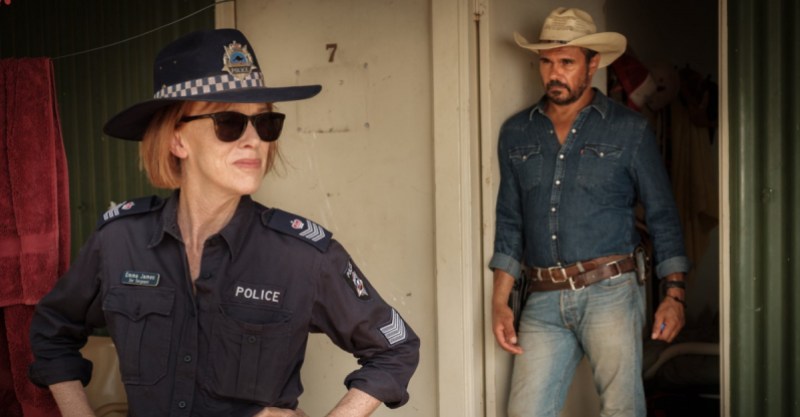
ABC TV crime drama Mystery Road takes viewers into the Pilbara.
First Nations focus groups expressed a desire for more First Nations stories that reflect the continuity of culture and contemporary lived experience – citing examples like Top End Wedding and Black Comedy, as offering relatable, culturally specific storytelling and humour.
Culturally and linguistically diverse audiences tend to watch more Australian content: Many say their communities use it to understand and connect with aspects of Australian life, confirming that cultural exchange and learning tends to flow in multiple directions.
The research drew on a wide range of sources including audience forums, nationally weighted surveys with 2400 Australians, extended ethnographic conversations and short location-based interviews, global surveys in multiple countries, as well as analysis of reviews and comments on platforms like IMDb, Letterboxd and Rotten Tomatoes.
The analysis of online comments found more than 40 unique uses of screen content in people’s lives – from learning about current social issues to understanding history. A 21-year-old First Nations contributor on Whirlpool commented on landmark 2008 historical documentary series First Australians:
“This documentary is really the first time that mainstream Australia has been exposed to what happened over the last 200 years to the Aboriginal people of this land.”
The study found that audiences identify many kinds of value in local content, and report a range of real-world impacts from it: From comments like “Bluey helped me want to be a good dad” (kids’ show Bluey review, Letterboxd) to “Going to contact my council to see if they’d be willing to start picking up food scraps” (environmental documentary series War on Waste review, Reddit).
When content resonates, our engagement with it doesn’t stop when the credits roll: 71 per cent of Australians take some form of action after watching local content – sharing, recommending or discussing the program with others or seeking out more information.
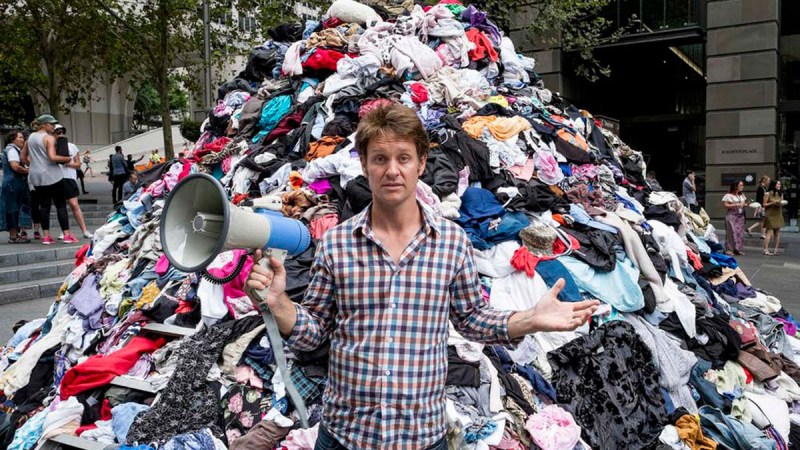
Craig Reucassel presented environmental documentary War on Waste.
In a world of content abundance, audiences crave authenticity and connection, although it isn’t always easy to find.
Choice is, to some extent, structured by interface design – what we see first, what is recommended to us and the genres or types of content we are nudged and encouraged to ’discover’.
Audiences consistently reported that they rarely decide what to watch without some form of recommendation – 41 per cent relied on recommendations from streaming platforms to find out about new Australian content. As these discovery interfaces do not tend to tag Australian stories, they do not favour discovery of locally relevant content. In our screen audiences survey, only 36 per cent of respondents said they found it easy to find Australian content, even though 75 per cent indicated they would like to engage with it more.
While we’re drowning in options, and the ways we engage keep proliferating and personalising, we may – ironically – be getting less easy access to what we actually want or need.
In this era of plenty, with so many options – from deliveries to dinner – available right to our doors, we’re less likely to choose a home-cooked meal (even if they’re better for us).
Research revealing that our identities and experiences continue to be shaped by our viewing may give greater impetus for more conscious, deliberate choices.
Our media diet needs to be balanced and – at least in part – locally sourced to truly nourish us.
After all, we are what we eat.
Dr Georgie McClean project-directed Screen Currency, drawing on 25 years of experience in research, policy and programs. She was previously Creative Australia’s executive director of development and partnerships, AFTRS’s acting CEO and head of strategy, Screen Australia’s director of strategy and communications, and SBS’s manager of policy and research.
Dr Rebecca Huntley is director of research at 89 Degrees East and one of Australia’s leading social researchers. A former ABC RN broadcaster who presented The History Listen and Drive, she holds degrees in law, film studies and a PhD in gender studies, and writes regularly for The Monthly, The Guardian and The Sydney Morning Herald.


China and housing: Two things we may have missed