Major disposable coffee cup change coming to Australia’s biggest state

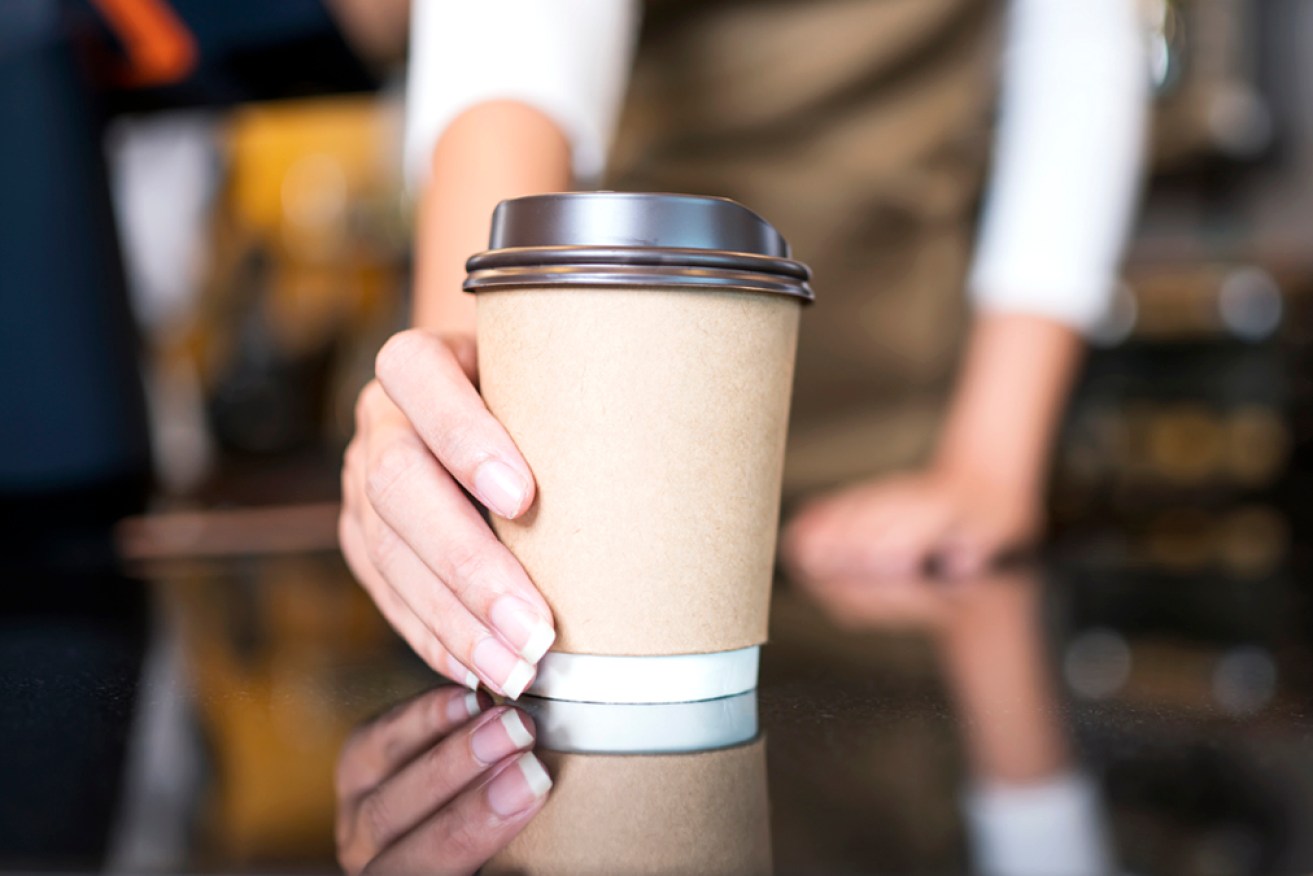
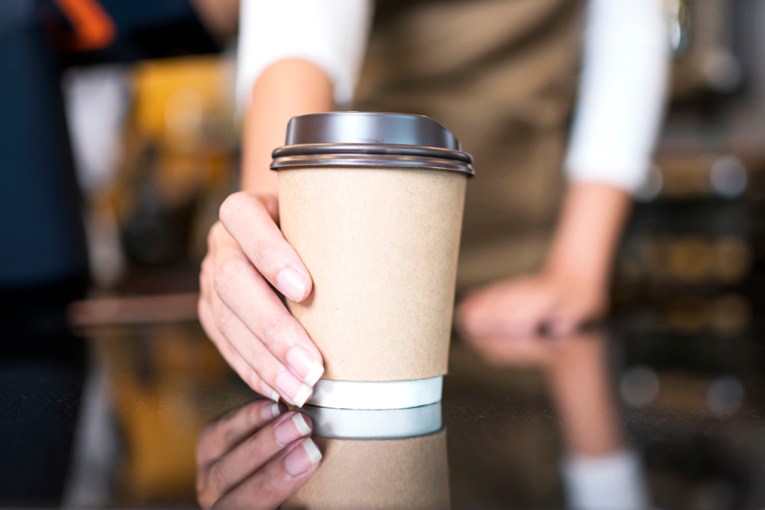
Singe-use cups like this are on their way out in NSW.
Big changes are coming to how coffee is served across NSW – although rumours that spread during the week of a ban on single-use cups have proved slightly off the mark.
Instead, the state will make it compulsory for takeaway beverage cups to be recycled – and require cafes to offer mugs or glasses to dine-in customers.
“Takeaway coffee cups are not being banned. Instead, the changes will make it easier for people to recycle their coffee cups or use a reusable cup if they choose,” state Environment Minister Penny Sharpe said on Thursday.
It followed a wave of speculation that single-use cups were about to be phased out in Australia’s biggest state. That sparked worry from small business owners about the extra costs the change would likely mean – and a warning the price of a coffee was about to rise even further.
Paul Nicolaou, executive director of Business Sydney, a division of Business NSW that represents commercial, retail, hospitality, and corporate organisations operating across the Greater Sydney metropolitan area, told the Nine Network the group opposed the ban and the state government’s timeline.
He said many small cafes were already stretched and operating on wafer-thin margins.
“The costs of coffee’s gone up, the cost of energy’s gone up, insurance, petrol, delivery costs,” Nicolaou told Nine.
“A lot of these businesses, at the moment, are struggling. The last thing they need is more red tape, more requirements to run their businesses, and they just haven’t got the time.”
Sharpe said the NSW Plastics Plan 2.0 and legislation that passed the state parliament on Friday, was aimed at one of the state’s fastest-growing waste problems.
Nearly 800 million single-use cups are used in NSW each year – most of them for only a few minutes before they are then tossed away.
“The bill doesn’t ban single-use coffee cups. It says by 2028 they must be recyclable for your yellow bin,” Sharpe said.
The main changes in the bill, which has been in the works and in consultation for three years, include:
- Requiring single-use takeaway coffee cups to be recyclable from 2028
- Also from 2028, cafes will need to offer a mug or glass when customers are dining in (instead of a disposable cup) and accept keep cups for takeaway (when clean and hygienic)
- Introducing voluntary reusable cup schemes, which allow people to borrow a keep cup.
The measures won’t be mandatory for small businesses.
“The bill doesn’t ban single-use coffee cups. It says by 2028 they must be recyclable for your yellow bin,” Sharpe said.
“Small businesses will be exempt from the requirements to offer a reusable cup or mug. The bill allows a cafe to refuse to take dirty cups. We will trial the reusable cup schemes on NSW government premises and establish a reuse precinct in the Sydney CBD.
“The regulations will be developed closely with small businesses.”
Coffee cups aren’t the only target of the plastics plan. It will also require that soy sauce fish containers are recyclable and fruit and vegetable stickers are compostable by 2030.
The legislation also makes immediate changes to products such as lighter-than-air (helium) balloons in NSW. Their intentional release will be banned, a move that hopes to cut plastic pollution and protect marine wildlife and birds.
“The days of unnecessary plastics being handed out, thrown away and left to pollute our environment are coming to an end,” Sharpe said.
“The legislation we’ve just passed contains the biggest reforms of problematic plastics in a generation and has been designed in partnership with businesses and industries to support a smooth transition to reusable alternatives.
“Our wildlife, our waterways and our health will benefit from these changes.”
Total Environment Centre director and Boomerang Alliance founder Jeff Angel backed the shift away from plastic linings for coffee cups, emphasising the long-term impact of single-use packaging.
“We know plastic lasts in the environment for decades or hundreds of years, contaminating the environment, killing marine life, and ultimately breaks up into microplastics, which are now being found in every human,” he told Nine.
“It’s the sort of thing we’ve long needed to take control of. NSW is not really the first state. South Australia has had this system in place since 2024.”