Pain at petrol pump drives surprise jump in inflation


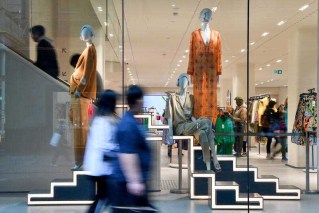
November's headline inflation edged slightly higher to 2.3 per cent. Photo: AAP
Higher petrol prices have driven a surprise jump in monthly inflation, as RBA governor Philip Lowe flagged more pain for millions of Australians from spiralling rents.
Dr Lowe outlined risks to the central bank’s task of returning inflation to target as the monthly consumer price index came in at a hotter-than-expected 6.8 per cent on Wednesday.
Headline inflation lifted from 6.3 per cent in the year to March to 6.8 per cent in the 12 months through to April.
The result was more than the 6.4 per cent markets had expected. It was driven in part by higher petrol prices as a restoration of the fuel excise.
Dr Lowe, who appeared at Senate estimates on Wednesday, ahead of the latest inflation data being released, was more concerned about spiking rents.
He said not enough homes were being built to keep pace with population growth, which was driving up rents and inflicting more cost-of-living pain on many Australians.
“Are there 2 per cent more houses? No,” he said.
Reopening the international border and a booming return in international students and skilled migrants is forecast to increase Australia’s population by 2 per cent.
Dr Lowe said rents would start to fall only when people formed bigger households – by bringing in a flatmate or staying at home with their parents.
It would take time for new supply to come online to meet higher demand for homes he said. But high prices would eventually cause people to “economise on housing”.
“Kids don’t move out of home because the rent is too expensive or you decide to get a flatmate, that’s the price mechanism at work,” he told the Senate hearing.
“We need more people, on average, to live in each dwelling.
“And prices do that”
Dr Lowe said rents were a “very significant issue” as the single largest component of the consumer price index.
“They’re very important and we’re expecting growth in rents and, as measured in the CPI, it’d be kind of around close to 10 per cent.”
Inflation expectations, which refers to the rate at which people expect prices to rise in the future, also pose a risk to the central bank’s task of returning inflation to target.
The governor said this was one reason the central bank board decided to hike interest rates in May after pausing for one month in April.
“There are a whole bunch of reasons we did that, but one of them was to reinforce the idea in the community’s mind that we’re serious about this, that we will do what’s necessary to get inflation to come down,” he said.
He was hopeful inflation would continue to decline in coming months.
“We really want people to understand that we’re serious about this, that we’ll do what’s necessary, and not to question our commitment to get inflation back down, as painful as that is, we’ve got work to do there,” Dr Lowe said.
He said interest rate hikes were working to bring down inflation.
“It’s working and it’s painful,” he said.
“Success is not guaranteed here. Quite a few things need to go right for us to do it.
“But I think we can do it.”
He said he knew the higher interest rates were unpopular – and were hurting some Australians.
“I know it is really tough, but in our discussions, think of the alternative. If we did not increase them as broadly as we have, inflation would be higher for longer, expectations would just become entrenched and the end result would be even higher interest rates and pain and more unemployment,” he said.
“What we’re doing now is difficult, but it is necessary to avoid pain and even higher interest rates later on.”
Weak productivity growth is also weighing on Dr Lowe’s mind.
He explained that without productivity growth, unit labour costs were getting too high.
“Over the last three years, there has been no increase in the average output produced per hour worked in Australia – no increase for three years,” Dr Lowe said.
“It’s a problem for the country and it’s a problem for the inflation outlook as well.”
He said unit labour costs were growing at about 3.5-4 per cent, making it hard to bring inflation back to about 2.5 per cent.
“The best solution to this is a lift in productivity growth,” he said.
Dr Lowe said the reasons for weak productivity growth were complex and that the pandemic had a lot to do with it.
“Businesses were in survival mode rather than growth mode and investments slowed down and there were disruptions,” he said.
“That’s now behind us. So perhaps we’ll now see productivity growth pick up.”
The central bank started lifting interest rates last year to tackle high inflation. Since then it has held rates only once, in March.
The RBA board meets next Tuesday to make its rate decision for June.
– with AAP