Why ‘deadzones’ are the latest travel hotspots – and where to find them

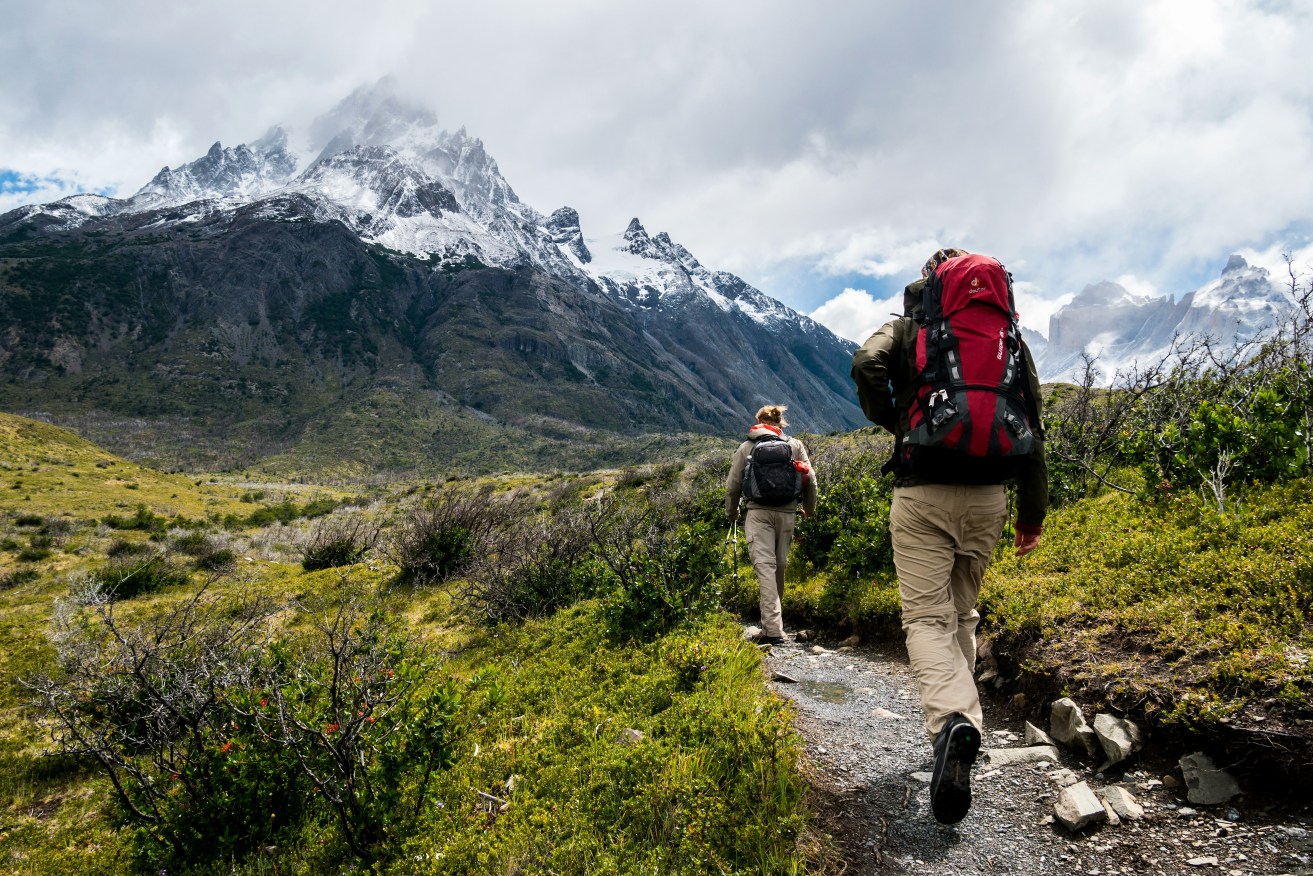
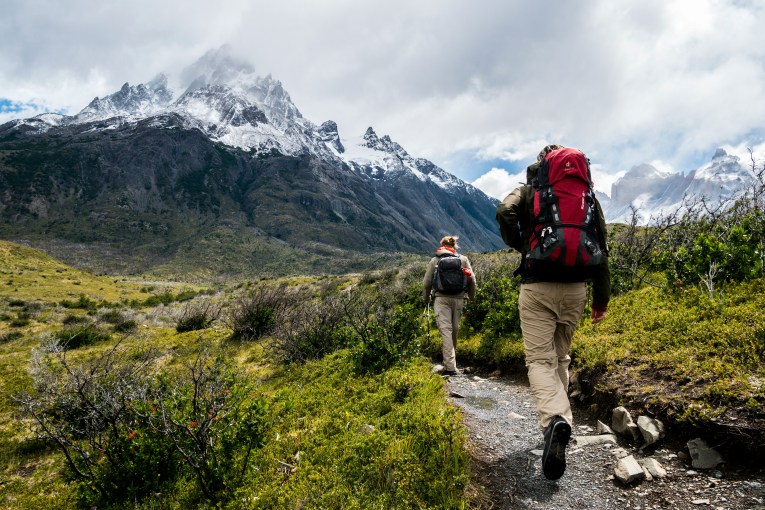
Patagonia hiking
Travellers looking to escape the noise and clutter of everyday life are increasingly heading off the grid to unwind on holiday.
Dubbed “deadzoning”, the trend involves holiday-makers choosing destinations with little to no phone signal or internet access, giving them the chance to switch off from their devices and reconnect with the people and world around them.
According to travel company G Adventures, Australians are the second most likely travellers in the world – behind New Zealanders – to choose a dead zone destination for their next getaway.
Whether it’s venturing to a destination with no signal or simply switching devices off, deadzoning encourages travellers to disconnect from phones, social media and work notifications in favour of mindfulness, rest and genuine connection.
The trend is particularly popular among millennials and gen Z.
The desire to unplug also aligns with findings from a 2024 study into traveller happiness, which found that the biggest motivators for Australians booking a holiday were having time to relax and de-stress (66 per cent), followed by a desire to disconnect from the pressures of work and everyday life (47 per cent).
A more relaxing holiday isn’t the only benefit of switching off. Taking a break from constant notifications and endless scrolling gives the brain a much-needed reset, with research suggesting digital detoxes can improve wellbeing and reduce stress.
If you’re looking to reclaim time, focus and real rest on your next holiday, check out these suggestions by G Adventures where connection is limited, but immersion is high.
Ecuador Amazon jungle
For travellers wanting to truly switch off, staying with an Indigenous community in Ecuador’s Amazon offers a natural digital detox, out of reach of Wi-Fi and mobile reception.
The focus shifts to exploring the rainforest, learning about the community’s relationship with Pachamama and the traditional use of medicinal plants, while experiencing a slower, more connected way of life.
Northern Thailand hilltribes trek
For travellers who prefer to get active while switching off, remote hiking trails through Northern Thailand offer the perfect balance.
Hiking through remote landscapes and spectacular forests to visit Indigenous hilltribe communities, allows travelers to experience meaningful cultural connection, fresh air and the rhythm of life in the jungle.
Antarctica cruise
Antarctica is another destination where switching off comes naturally. Although Wi-Fi is available on many cruises, it’s not a standard inclusion, allowing travellers who choose not to purchase it to spend long stretches at sea without constant notifications.
Surrounded by open ocean, towering icebergs and abundant wildlife, it’s easy to forget about checking your phone.
Patagonia
Popular with younger travellers looking to escape the digital noise, Patagonia combines jaw-dropping scenery with genuine off-grid moments.
Signal is almost non-existent across much of the region, particularly on remote hiking trails and in national parks, allowing travellers to fully immerse themselves in glacier-fed lakes, dramatic peaks and some of the most spectacular hiking trails in the world.
Namibia to Cape Town overland safari
Long stretches without reliable mobile reception are part of the experience in Southern Africa, particularly on overland journeys through national parks and remote regions.
Days are spent spotting wildlife, camping under vast starry skies and meeting local communities along the way.
Want to see more stories from The New Daily in your Google search results?
- Click here to set The New Daily as a preferred source.
- Tick the box next to "The New Daily". That's it.