Eight no-go zones for global travel in 2026

Source: BBC / TikTok
Lists of holiday hot spots for the year ahead are a seasonal fixture around this time, but Fodor Travel has also highlighted international destinations to avoid in 2026.
These aren’t the kind of places that Australia’s Smart Traveller website might warn against because of security, health or cyclone warnings. Rather, they are cities and regions being loved to death by over-tourism.
Fodor describes its “no list” as “a reality check wrapped in responsibly wanderlust”, insisting that it’s not a call for a boycott but a gentle nudge to raise awareness that the included locations need a bit of a rest – at least for now.
It’s 2025 list included a couple of favourite getaway spots for Australian travellers – Bali and Thailand’s Koh Samui – as well as European hotspots such as Barcelona in Spain and Venice in Italy, where locals have made it clear they’re fed up with tourists.
While the backlash has continued this year in Barcelona, Fodor’s 2026 list shines light on eight different destinations.
Antarctica
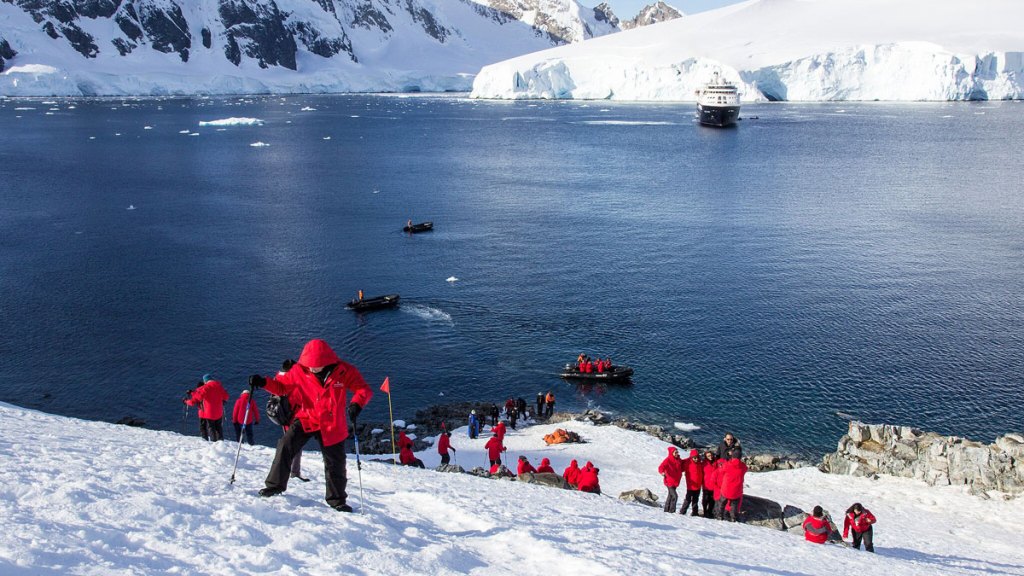
Most tourism is centred on the Antarctic Peninsula. Photo: Gary Bembridge / Wikimedia Commons
It’s no wonder Antarctica leads the “no list” given that the number of visitors to the frozen continent has soared from fewer than 8000 a year three decades ago to nearly 125,000 tourists in 2023-24.
That figure is expected to double by 2033, thanks to an increasing number of cruise-ship expeditions and activities on offer, and people’s fascination with what is considered one of the last great unexplored wilderness areas.
“The environment is fragile, and it’s a rare environment,” says American environmental anthropologist Jessica O’Reilly, an adviser to the Antarctic Treaty Consultative Meetings.
“That’s why people want to go there, but it’s also why it can’t really sustain high numbers of tourism.”
Australian experts have warned that visitors can threaten the ecosystems on Antarctica by disturbing bird and seal breeding colonies, trampling fragile vegetation and introducing non-native microbes plant species.
The Canary Islands (Spain)

Canary Islands residents took to the streets to rally against over-tourism. Photo: Soyneutral / Wikimedia Commons
This archipelago is another Spanish destination where the locals have taken to both the streets and the internet to vent their anger over the impact tourism is having on their lives and the environment.
Earlier this year, thousands joined rallies across the islands, carrying banners declaring “the Canaraies are no longer a paradise” and “the Canaries are not for sale”.
Among their demands was a limit on tourism developments and action to curb marine pollution. Other concerns raised by organisations such as CanaryGreen (which aims to inspire more sustainable travel) and local environmental group ACAN include the strain on infrastructure such as roads and water supply, and rising rents due to many residential properties being let through sites such as Airbnb.
A record 7.8 million people visited the Canary Islands in the first half of 2025.
“Natural spaces are constantly degraded, with alarming losses in biodiversity,” an ATAN spokesperson told Fodor. “Overcrowding has erased peaceful places where we could once enjoy life there are no truly local spaces left.”
Mexico City
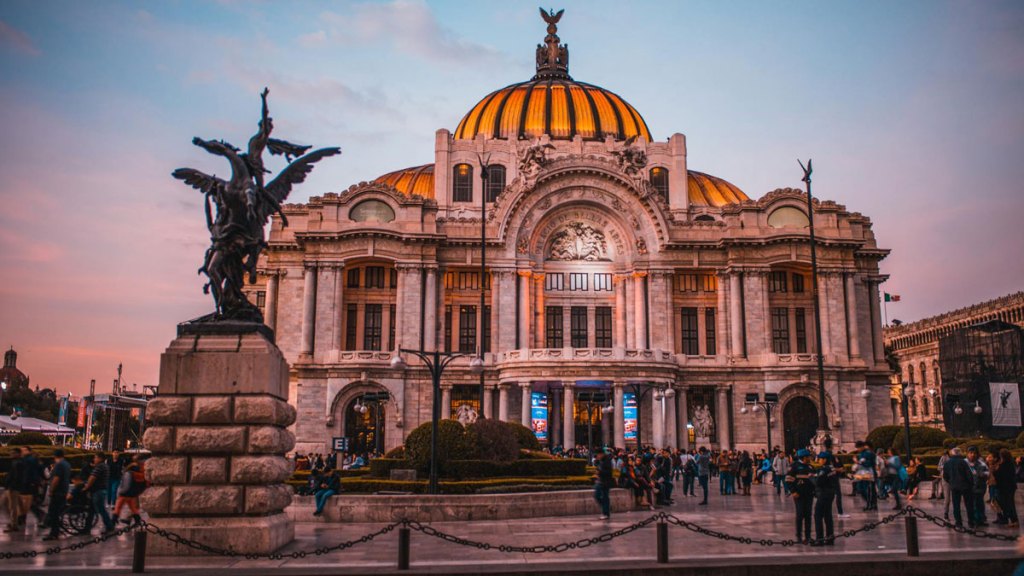
Mexico City has experienced a tourism boom. Photo: Pexels
So-called “revenge travel” – where people booked overseas holidays after being forced to stay home during the Covid pandemic – is one of things being blamed for Mexico City’s tourism boom, along with social media and list-driven travel. Turns out those “hidden gems” aren’t so hidden any more.
Tourism and a proliferation of short-stay accommodation may not be entirely responsible for rising rents, lack of residential housing and gentrification, but foreign tourists were targeted during large protests held this year on July 4 (US Independence Day).
Some demonstrators even complained about taco stands toning down their hot sauces to cater to foreigners’ tastes.
It’s worth noting that Smart Traveller also warns visitors to all parts of Mexico, including Mexico City, to exercise a high degree of caution due to the threat of violent crime.
Mombasa (Kenya)
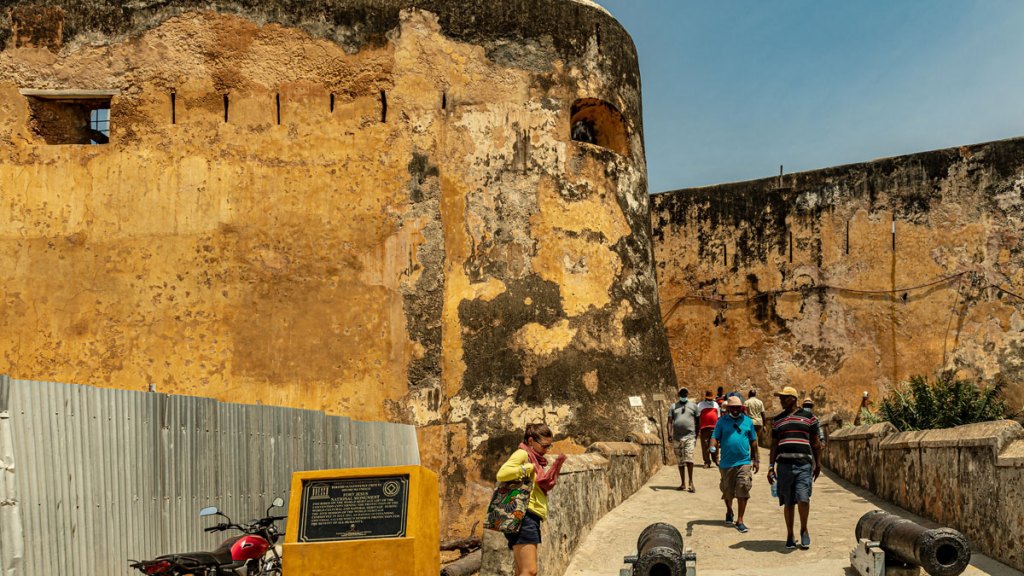
Fort Jesus is a popular attraction in Mombasa. Photo: Ninara / Flickr
This historic city with tropical beaches and protected natural reserves is described by Lonely Plant as a melting pot of languages and culture that “waits like a decadent dessert for travellers whom make it to Kenya’s coastline”.
It’s perhaps not surprising, then, that amid Kenya’s post-Covid tourism boom Mombasa has experienced an increase in visitors which has led to concerns about overcrowding, depleted resources and pollution.
The city’s tourism minister told Fodor that numerous measures are being tried to address these challenges, so hopefully it won’t be too long before Mombasa is back on the “go” list and visitors can feel guilt-free visiting its beaches and historic sites such as the 16th-century UNESCO World Heritage-listed Fort Jesus.
Montmartre (France)

More people visit Montmartre than the Eiffel Tower. Photo: Richard Taylor / Wikimedia Commons
Around 11 million visitors a year visit the Sacré Coeur basilica in the picturesque Parisian village of Montmartre – that’s about five million more than flock to the Eiffel Tower.
It also far outstrips the number of local residents (just 30,000), whose complaints – including about pressure on local infrastructure and real estate prices, and loss of culture – will by now sound familiar. One petanque club was reportedly forced out to make way for a hotel.
Over-tourism expert Rémy Knafou told Fodor that at this rate, Montmartre will be progressively emptied of locals – and its authenticity.
“We’ll need to ask ourselves whether tourists will be satisfied to come and only encounter other tourists,” Knafou said.
Glacier National Park (US)
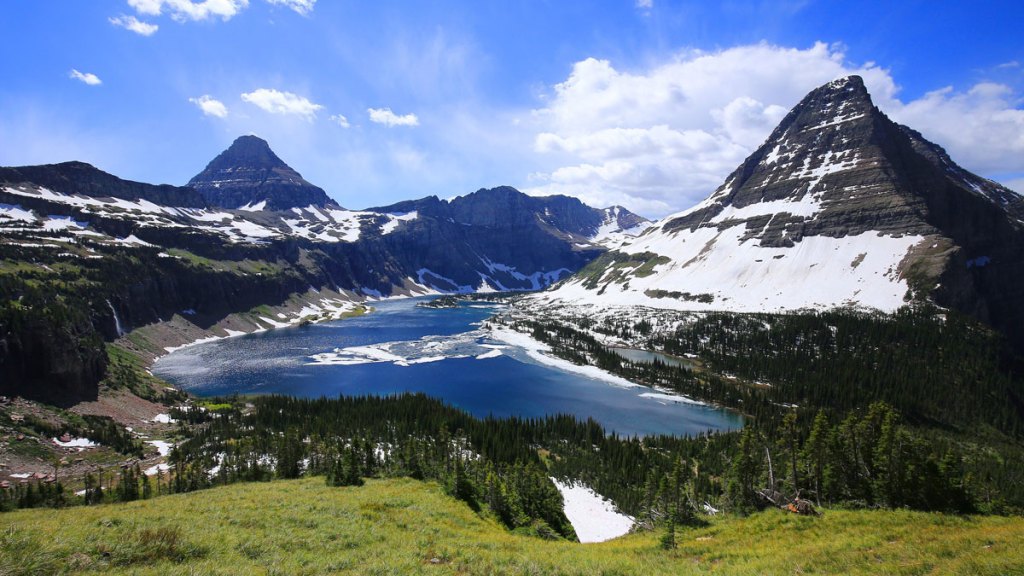
Glacier National Park is undeniably beautiful – but also under threat. Photo: Tobias Klenze / Wikimedia Commons
In the Rocky Mountains of Montana, this unique wilderness area is described by the US National Parks Service as a “paradise for adventurous travellers”, featuring melting glaciers, alpine meadows, carved valleys and spectacular lakes.
Glacier National Park opened in 1910, but it is being badly affected by climate change, with only 27 of its original estimated 150 glaciers remaining and those also expected to disappear soon. That has prompted a surge in last-chance tourism, which in turn has more environmental impacts.
Isola Sacra (Italy)
A huge new port for cruise ships is planned for this small coastal area in a town called Fiumicino, near Rome. It has divided locals, some of whom welcome the expected tourism boom, while others believe it will destroy the delicate local ecosystem and historical structures on the beach.
Jungfrau Region (Switzerland)
This UNESCO World Heritage Site in the Swiss Alps is promoted for its majestic scenery, “eternal snow” and picturesque villages, with a scenic railway making it popular with day visitors.
Record numbers in recent years have led to busy mountain roads, crowded attractions such as waterfalls and walks, and pressure on parking.
Some business owners say there is no longer an off-season, and many visitors don’t even stay long enough to really appreciate the nature and local culture.
“I wish visitors would take more time to appreciate nature,” one told Fodor. “Many don’t even realise where they truly are; they just go where all the other tourists go.”
So what’s on the ‘go list’?
Fodor has also released an extensive list of places it does recommend for international travel in 2026, including one Australian destination – Canberra.
Other places on the list include Chile’s ski region, Queenstown in New Zealand, Singapore, Florida’s Key West in the US, the Zambian Riviera in Zambia, and Abu Dhabi in the United Arab Emirates.