 Subscribe
Price of coffee jumps 50c in some cafes after card surcharge ban

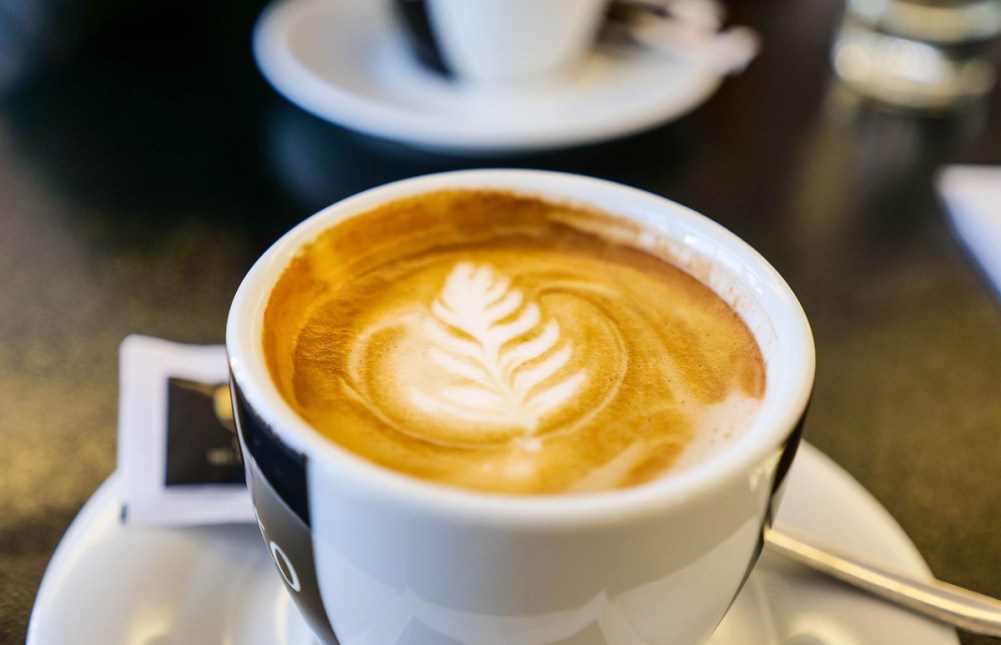
- New analysis shows that one in six cafes raised the cost of a flat white by an average of 50 cents after the RBA brought in a ban on card surcharges.
- An online database that tracks the price of a flat white across more than 1500 cafes found 17 per cent of cafes raised their prices immediately after October 1.
- The average cost of a flat white in Australia now sits at $5.16
The price of a flat white in almost 20 per cent of cafes jumped by around 50 cents after the Reserve Bank brought in a ban on card surcharges, new analysis shows.
Online database Small Flat White, which tracks the price of – you guessed it – a small flat white, found that 17 per cent of cafes increased their prices from a database of 1,511 shops.
Of those who lifted their prices, the typical increase was around 50c per cup.
Notably, about 79 per cent of cafes did not change their prices at all, while 4 per cent actually reduced the price of a small flat white.
The average price of a small flat white nationally now sits at $5.16, with Brisbane being the most expensive city at $5.22 and Sydney the cheapest at $4.93.
The operators of Small Flat White said in their calls with cafe owners that while the timing came after the surcharge ban, it wasn’t the sole reason for lifting prices.
“Cafe owners told us the surcharge is one cost among many,” they said in their analysis.
“Most absorb rising costs until they can’t, then raise prices once to cover everything.
“We report what changed, not why: a rise after 1 October isn’t necessarily because of the surcharge rules.”
What is the card surcharge ban, and why would cafes be lifting prices?
On October 1, the RBA banned businesses from applying a surcharge to transactions made with cards, such as eftpos, Mastercard and Visa.
The ban applied only to transactions paid by card; it didn’t stop businesses from applying weekend, public holiday, or booking fee surcharges.
To offer cards as a payment option, businesses incur costs to provide a terminal where cards can be accepted.
The RBA said that, as a result, businesses must absorb the costs of offering a card payment option in their overall pricing.
“Businesses will still incur costs when accepting card payments,” the bank said in a circular to businesses.
“Those costs can be reflected in a business’s overall pricing, rather than charged as a separate surcharge.
“This is in line with consumer preferences for sticker prices to be all-inclusive.”
Is it illegal for businesses to jack up prices to cover the cost of card payments?
No.
A business can set the price for its goods or services – and its preferred method of payment – as long as both are upfront to the customer before the transaction is made.
According to the Australian Competition and Consumer Commission (ACCC), it is not illegal for a business to lift prices to factor in the cost of card payments.
“Businesses can continue to recover the cost of accepting card payments by incorporating that cost into their overall pricing for the products or services they sell,” the ACCC said.
“Businesses are generally free to set, raise and lower prices they charge for the products and services they supply.
“However, they must not mislead consumers about prices, including about the reasons for any price increases.”
Topics: Coffee, Cost of Living, Grocery costs