 Subscribe

RBA sees early signs of weaker hiring for young workers in AI-exposed roles
AI is likely to change 'most, if not all, of the jobs that we do today', an RBA assistant governor has said.

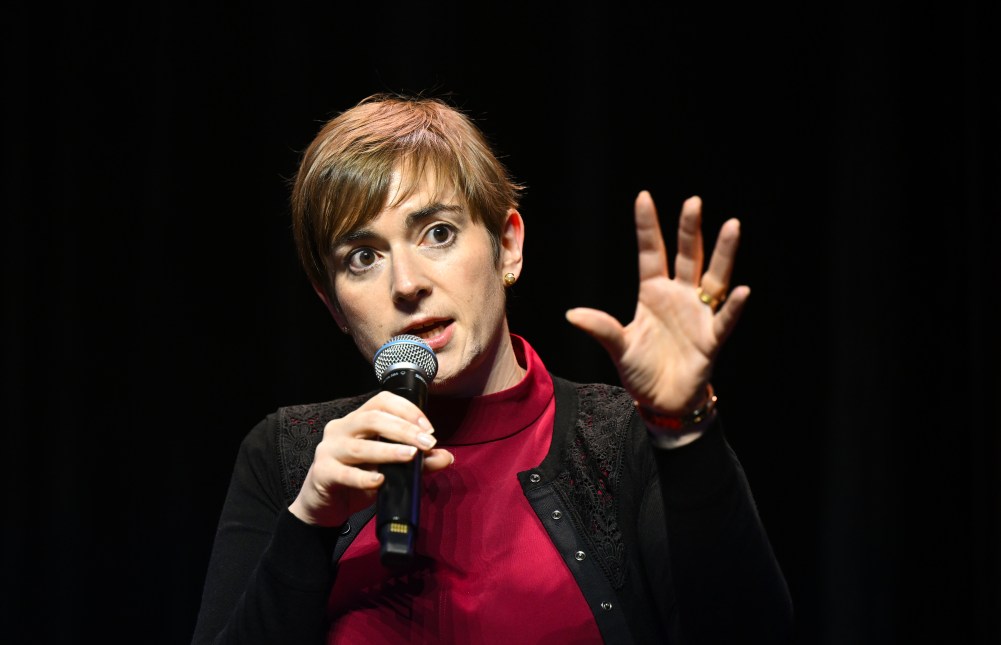
- RBA Assistant Governor Sarah Hunter said AI had not yet affected headcount at most firms in the bank’s liaison program, with about three-quarters reporting no change.
- Hunter pointed to emerging signs of weaker hiring among younger workers in highly AI-exposed occupations, though she said differences in Australia so far were modest.
- ABS data released last week showed about 82 per cent of businesses said AI did not affect their job vacancies in August.
Artificial intelligence has not yet cost most Australian workers their jobs, but the Reserve Bank of Australia (RBA) is seeing tentative signs that young people in the most AI-exposed roles are faring worse.
RBA Assistant Governor Sarah Hunter told the UBS Australasia Conference in Sydney on Monday that AI had not yet affected headcount at most firms in the bank’s business liaison program, and was not expected to over the next year.
“So far, there is little evidence that AI has had large effects on aggregate employment in advanced economies, although there are emerging signs of weaker hiring, particularly among younger workers in highly AI-exposed occupations,” Hunter said.
Hunter’s remarks come as unemployment rises and some of Australia’s household names, including Canva and National Australia Bank (NAB), cut or overhaul thousands of roles.
In Australia, RBA analysis points to weaker job ad postings and employment outcomes in more AI-exposed occupations, and stronger growth in less-affected areas, particularly for younger workers.
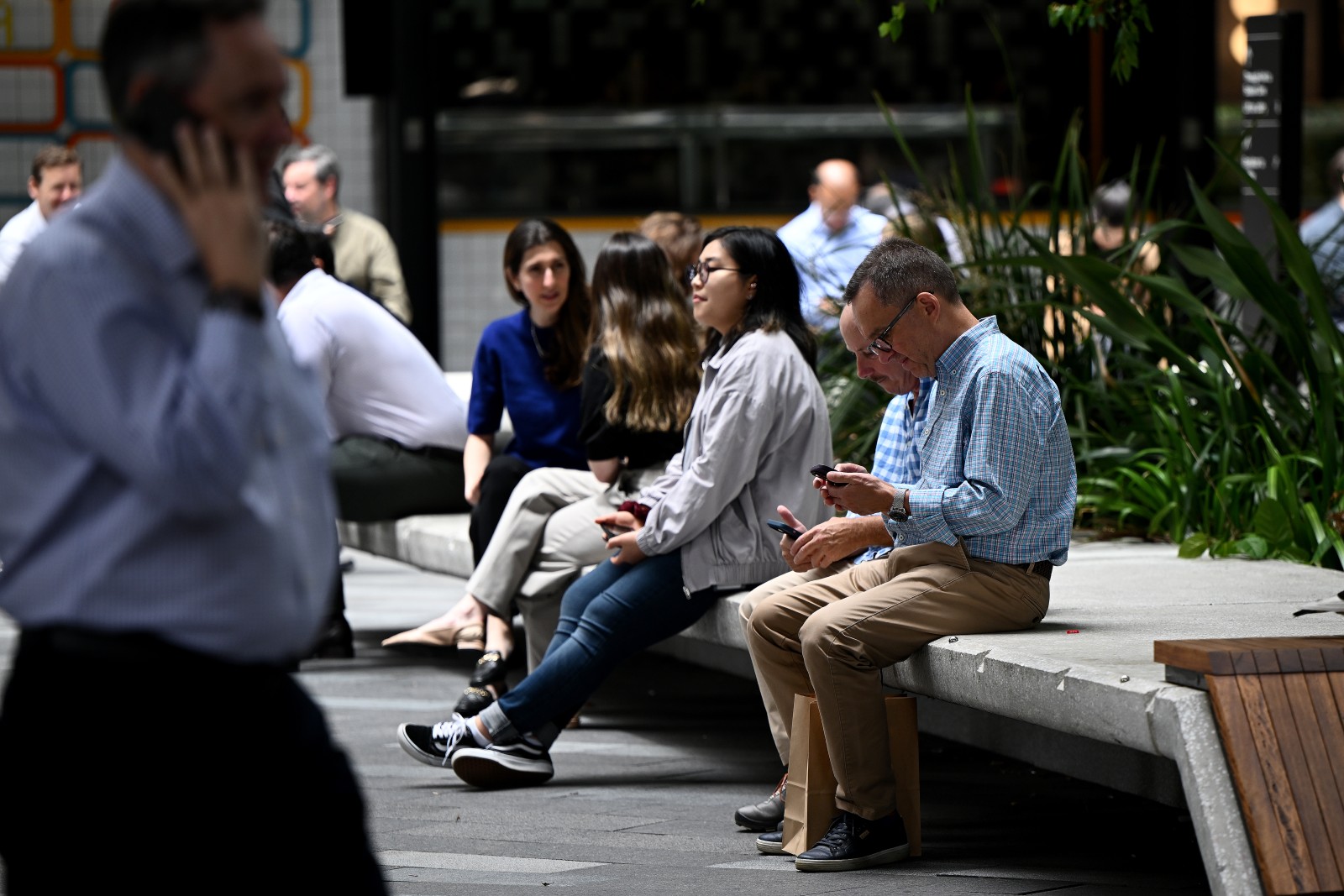
But Hunter said the differences were modest and “it’s too early to tell whether they reflect AI adoption or other factors.”
She said the RBA was mindful that aggregate labour figures could mask “disruptive displacement effects” on job seekers, workers directly affected, and professions hit disproportionately hard.
Her comments echo Australian Bureau of Statistics (ABS) data released last week, which showed about 82 per cent of businesses saying AI did not affect their job vacancies in August, while 4 per cent said it had reduced them.
Looking ahead, about two-thirds of businesses did not expect AI to affect their vacancies over the next 12 months, while about 8 per cent expected fewer.
About three-quarters of firms in the RBA’s liaison program reported no change in staff numbers due to AI over the past year, while around 12 per cent were hiring more slowly or leaving roles unfilled, around 8 per cent had cut headcount, and about 6 per cent had added staff.
Hunter said AI was likely to change “most, if not all, of the jobs that we do today,” and the RBA is watching the transition closely because full employment is part of its mandate.
Jobs and Skills Australia, the statutory body that advises the federal government on workforce and skills needs, estimates that around 4 per cent of Australian workers are highly exposed to automation from AI, compared with 31 per cent highly exposed to AI augmenting their work.

Hunter said AI was already changing demand across the economy, with RBA estimates of data centre investment in Australia up 10-fold over the past three years, from a very low base.
She also said there was tentative evidence AI was pushing up the neutral interest rate, with RBA estimates rising in recent years as firms compete for scarce savings to invest in the technology.
Australia’s unemployment rate rose to 4.7 per cent in September, above the 4.6 per cent markets expected, as employment fell by 39,000.
Latest ABS data showed 22 per cent of people reported too many applicants for available jobs as their main barrier to finding work in 2025-26.
Almost every firm in the RBA’s liaison program now uses AI, up from around two-thirds in 2025, but Hunter said there was limited evidence it had materially lifted overall productivity.
Hunter said current estimates of AI’s boost to annual productivity growth over the next decade range from more than 2 per cent to just 0.1 per cent.
Surging AI investment is adding to near-term inflation pressure through stretched semiconductor supply chains and construction trades, although she said AI’s long-run effect on inflation was likely “broadly neutral.”
Topics: Artificial Intelligence