Trump may shamelessly cheat to retain power in the mid-terms, but he’s not a very good cheat

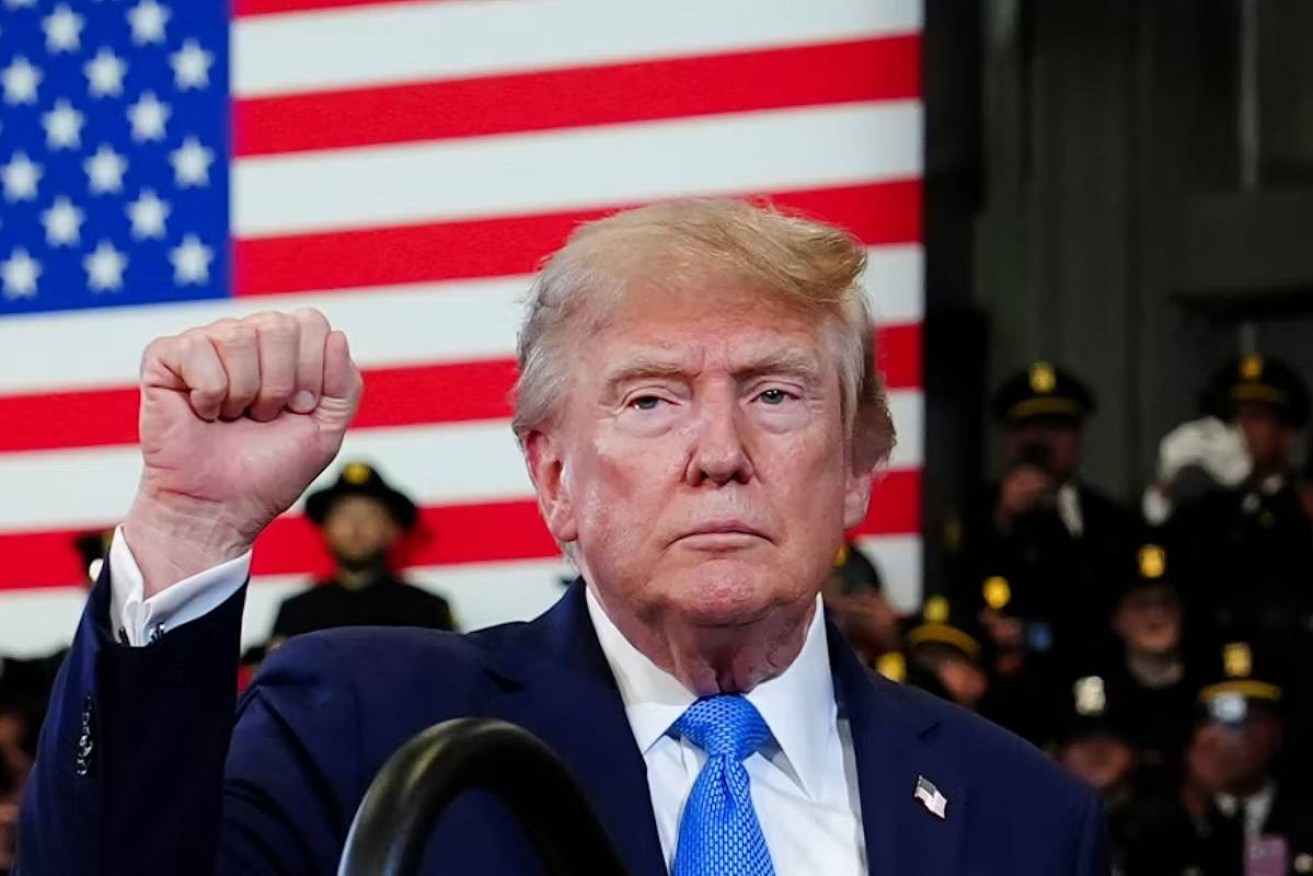
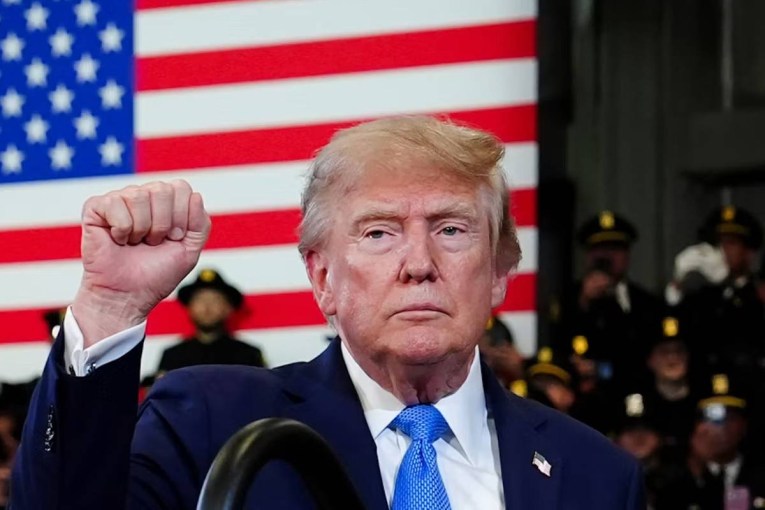
There’s increasing evidence Trump is trying desperately to rig the mid-terms. Photo: AAP
With poll results showing a strong tilt towards Democrat candidates in some swing and red states ahead of the US mid-term elections in November, Elon Musk has been welcomed back into Donald Trump’s fold.
Trump told the MAGA faithful during a celebration speech in January 2025 that he had been in big trouble in the rust belt swing states in 2024.
That was until tech billionaire Musk arrived in Pennsylvania and everything changed for the better.
Redrawn Republican electoral maps have been rejected, attempts to ban mail-in voting have failed, and polls are looking bleak. But Elon is back.
Although Trump has delegitimised mainstream media for the past decade, books have appeared that give insider perspectives into how he operates.
Most are by people with whom he has fallen out, and they almost all call him a cheat.
Trump’s niece Mary wrote Too Much but Never Enough in 2020, in which she retells the family story of him getting a clever kid to do a college entrance exam for him. We know that story because while he can cheat to get a quick result, he is not good at covering his tracks.
Banks that dealt with his multiple bankruptcies felt cheated, but they saw what he’d done and stopped lending him money.
Two books allude to Trump’s record as a serial cheat. Disloyal was written by Michael Cohen, a former Trump lawyer and fixer. Full Disclosure was written by Stephanie Clifford, an adult film producer and actor who uses the stage name of Stormy Daniels.
One of Trump’s problems is he interferes with advisers who are better at cheating than he is. His trademark bad faith is not enough to compensate for his incompetence.
Cohen described a situation in which Trump had access to lawyers and lackeys like himself to sort out the Trump University train wreck.
The “university” was based on a business model that traded on Trump’s reputation as a billionaire dealmaker in which get-rich-quick schemes were offered as added extras, and a gold-plated degree was on offer for US$35,000 ($50,000), which amounted to nothing more than a mail-order diploma.
During 2013, New York and Texas attorneys-general were looking into the university’s sales tactics. They included using coercion to get students to give rave reviews about their teachers to get a diploma.
After multiple lawsuits arising from student and regulator complaints, a solution was proposed that amounted to winding up the organisation with a settlement of about US$500,000 ($718,000).
Trump refused to settle because it meant admitting fault. He gave Cohen the job of paying the US$5 million ($7 million) of outstanding vendor invoices with the US$1 million ($1.4 million) cash on hand held by the university, thus stiffing the vendors with take-it-or-leave-it payments of 20 cents in the dollar.
Instead of running a genuine higher-learning institution, Trump couldn’t resist offering a sham product while finding ways to make it look like the customers were happy.
Having rejected a US$500,000 ($718,000) settlement proposal in 2103, Trump faced a US$25 million ($36 million) settlement in 2018 brought by defrauded students.
In winning the settlement, they defeated a Trump appeal based on an accusation that the original district court judge was biased because of his Mexican heritage.
Daniels’ connection with Trump followed an alleged encounter at a golf event in Utah during 2006 – “alleged” because Trump denies the encounter. Daniels is unlike Trump’s other sexual accusers in that she makes no allegation of harassment or assault against him.
By her own call, their sexual encounter was consensual. Her complaint is that he had her life threatened to stop her telling her story when events conspired to force her to do so 10 years after the event.
The question that might be asked is why did she bother with a man who was such a non-performer in bed. Her answer is that he promised her a spot on his television show The Apprentice. Before the promise lapsed, he discussed how her Apprentice spot might play out.
She inferred from what he said that he was going to rig things by supplying her with information in advance that would give her an unfair advantage over other participants.
Daniels claimed to be uncomfortable with the idea of cheating, but Trump kept coming back to it in phone calls: “We have to make sure you stay on, honey bunch” was the refrain she recalls.
Trump wouldn’t proceed unless he could load the dice, but she didn’t like it, so it didn’t happen.
He was seen pulling out all the stops after the 2020 election count began to show his early lead in key states starting to slip away. One of his late-night advisers, Chris Christie, said Trump should give a speech like Biden had given, saying he was in a strong position and that a win was possible, even likely.
Instead, Trump claimed premature victory, demanded that vote counting cease, and claimed he was off to the Supreme Court.
It’s stories like these that prompt recollection of Trump’s national security adviser John Bolton describing Trump’s attempts to shake down the president of Ukraine as a “drug deal”.
The unfair-play stories also recall his first-term secretary of state Rex Tillerson saying he could no longer work with Trump because the president’s default solutions amounted to actions in violation of the law.
Why does Trump threaten to sue colleges he attended if they release his grades? Why does he insist that no third parties apart from interpreters accompany him during meetings with Vladimir Putin? How reliable are the numbers he records on his golf scorecards? Why has he gone to extreme lengths to keep his tax returns secret?
He is not alone at having things to hide, but he’s not good at hiding them.
A competent chief executive would not signal his deceit so transparently. Trump once claimed to be the most transparent US president in history.
Putting aside that he knows precious little history, he may well have been correct in that assessment, though it does him little credit. Cohen talked about being able to read him effortlessly, which is OK if you are his servile fixer, as Cohen was, but not so good for him if you’re Letitia James or Fani Willis, two attorneys-general who pursued him respectively on serious finance and mobster violations of the law.
A defence that some cheats use is to turn the cheating accusation against the party being cheated. Given Trump’s legal jeopardy if Republicans lose their majorities in the Senate and the House, he gives every indication that he is prepared to cheat to ensure his endorsed GOP candidates win critical elections, and he accuses the Democrats of that very transgression.
The commission he established when US president in 2018 to find evidence of voter fraud in the 2016 election was disbanded without a finding. Yet Trump is going to the polls in November 2026 shouting voter fraud at every turn.
And there’s increasing evidence that he is trying desperately to rig those elections.
The Democrats’ best hope is that he will cheat so ineptly that even a Supreme Court that leans in his favour will not be able to come to his rescue.
Paul Begley has worked in public affairs for many years, most recently with the Australian HR Institute

Listen, deliver, rebuild trust to quiet the populist right