What kind of community do we want to be?

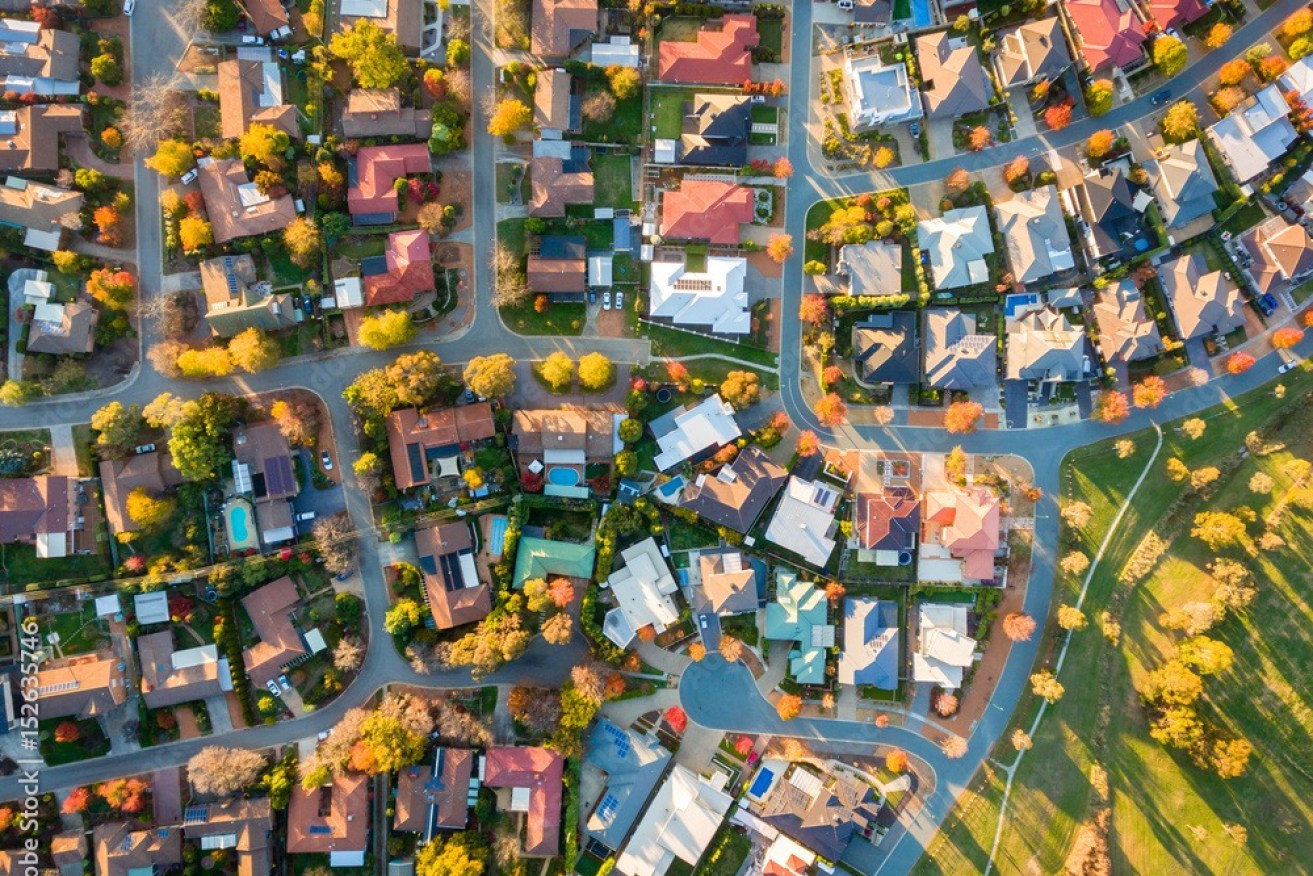
The government's housing reforms are welcome, but they don't go far enough to fix the property market. Photo: Jandrie Lombard
Somewhere along the way, we stopped thinking about housing as a home and started thinking about it only as a wealth creation mechanism.
That shift, quiet and cumulative and largely uncontested across decades of politics, has built an inequality into the foundations of this country that we can no longer ignore.
Australians are ambitious people. We work hard, we plan ahead and we want to build something for ourselves and our families. But none of that means much without somewhere safe to come home to at night. A secure home is the foundation on which everything else is built.
The debate we are having is not really about tax settings, planning frameworks or investment structures. It is about what kind of community we want to be.
It has been quite a fortnight to be in housing policy.
Last week, hundreds of Australia’s most committed affordable housing practitioners gathered in Melbourne for the Affordable Housing Development and Investment Summit: Developers, community housing providers, superannuation funds, policy makers, academics, all grinding away at the practical question of how we build more affordable rental homes for the people who need them most.
I also appeared before the Senate select committee on intergenerational housing inequity, which continues to hear evidence from experts, advocates and Australians experiencing the effects of the housing crisis firsthand. A separate Senate inquiry heard evidence on the Albanese government’s proposed changes to negative gearing and capital gains tax, and the legislation passed the Senate this week.
That these things happened in the same fortnight is not a coincidence. It reflects a housing system that has reached a genuine point of reckoning, and a political moment where, for the first time in a long time, there is real appetite to do something about it.
The debate we are having is not really about tax settings, planning frameworks or investment structures. It is about what kind of community we want to be.
The government’s decision to reform capital gains tax concessions and negative gearing is courageous and correct. Critics attacking these changes are defenders of arrangements that have produced one of the most inequitable housing systems in the developed world.
Home ownership among Australians aged 25-34 has fallen from around 60 per cent in the early 1980s to around 43 per cent today, and that collapse happened while negative gearing and capital gains concessions were fully intact, generating billions in annual taxpayer subsidies.
Those settings did not deliver housing for working Australians. They delivered rising asset values for people who already owned property, and rising barriers for everyone else.
Some opponents of the tax reforms suggest that the changes will put greater burdens on investors and businesses. This misses the point of the reforms, which are about housing fairness and easing the burden on parts of our community that are least able to bear it.
Older women are the fastest-growing cohort experiencing homelessness, up a staggering 20 per cent between 2022 and 2025 alone. We are still failing First Nations communities on housing by almost every measure. Nurses, teachers, childcare educators and other essential workers are increasingly priced out of the communities they serve. The people who keep our cities running are finding it harder and harder to afford a place within them. We need to do better.
Too often we talk about bricks and mortar, investment settings and property values. We do not talk enough about the people who live in these homes — and the people who do not. These are the people bearing the real burden, and their voice seldom heard presenting to Senate inquiries.
Yes, some critics have raised legitimate questions about supply impacts. The Albanese government has addressed those directly, retaining full tax benefits for new builds so that investment incentives remain where they are actually needed.
Independent economists, including Saul Eslake, told the Senate this week the changes would be an improvement overall. The supply concern has been heard and designed around. What remains is largely the sound of vested interests defending arrangements that have served them well for decades.
The Albanese government’s reforms are right and it must hold the line.
But that is not enough. Here is what I said this week in both rooms — at the Senate and the summit — getting the tax settings right is essential, but it does not by itself build homes for the people who need it most.
Minister Clare O’Neil said it herself when she told the Affordable Housing summit:
“The single most important thing governments can do about housing in this country is make meaningful, long-term commitments to building more social and affordable housing for Australians.”
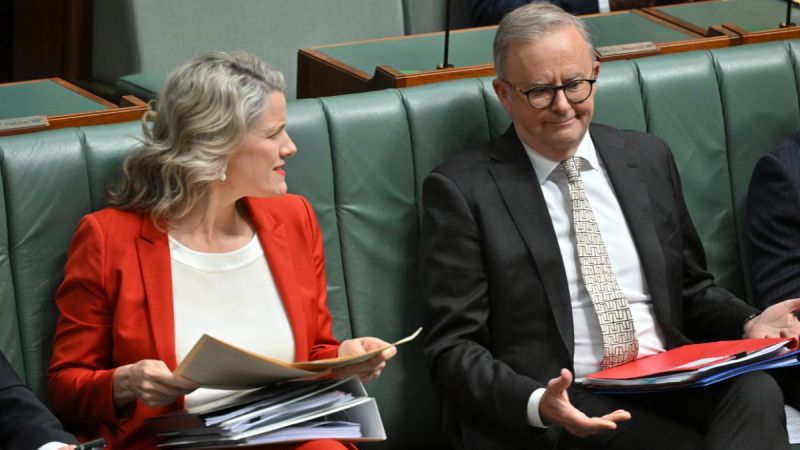
Housing Minister Clare O’Neil and Prime Minister Anthony Albanese. Photo: AAP
The billions raised through these budget measures represent a genuine opportunity, and the question of what happens to that revenue matters as much as the reform itself. Reinvested wisely, it could help house not only those on waiting lists, but also the key workers who increasingly find themselves locked out of the communities they serve.
Our modelling suggests that directing even a meaningful share of it into social and affordable housing through community housing providers could support up to 15,500 new homes by 2030 and 74,000 by 2050. Every $100 million reinvested translates to roughly 300 to 400 homes for people the private market will never reach.
If that revenue disappears into consolidated revenue and the underlying shortage goes unaddressed, we will have missed the opportunity to fix the incentive problem and improve the housing problem.
Australia’s social housing stock sits at around 4 per cent of total dwellings. We are not going to get there overnight, but we need to be getting there. The target should be at least 6 per cent by 2050, with a longer ambition of 10 per cent.
Recent funding at federal and state level has reversed the long-term decline – it proves that partnerships between governments and community housing providers can make a difference. We have laid strong foundations, but we must back it up with sustained intervention. If we don’t, the recent gains will be lost and we will deliver an even less equitable system for the next generation than the one we inherited.
Sitting across the two rooms these past two weeks — the Senate hearing and the summit — what strikes me is that the people most exercised about protecting the current system are rarely the ones who have to live with its consequences.
The economists and lobby groups warning about tax reform are not the older women facing retirement without secure housing. The critics of affordable housing programs are not the nurses, teachers, childcare educators and hospitality workers commuting for hours because they cannot afford to live near their jobs.
That brings us back to a simple question.
What kind of community do we want to be?
Do we want to be a country where housing increasingly determines life chances, where family wealth matters more than hard work, and where secure housing becomes a privilege rather than a foundation?
Or do we want to be a country where every Australian has the opportunity to build a life on the bedrock of a safe and secure home?
The housing system we have built serves some Australians extraordinarily well. But for a growing number of others — particularly younger people, lower-income households and people without family wealth to draw on — it is increasingly a system that works against them.
The Albanese government’s tax reforms are an overdue acknowledgement of that reality. We must now turn to what comes next.
If we are serious about creating a fairer housing system, then the revenue generated from reform must be reinvested into the homes Australia needs. Housing is the foundation on which strong communities are built.
The people on social housing waiting lists across the country have carried the burden of a broken housing system long enough.
Australia can afford to build a fairer housing system. It comes down to whether we choose to.



China and housing: Two things we may have missed