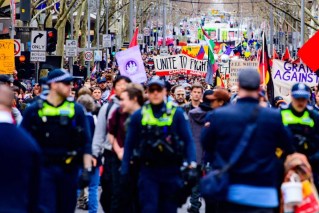
When rules and reality collide, there’s only one winner – and it’s not us

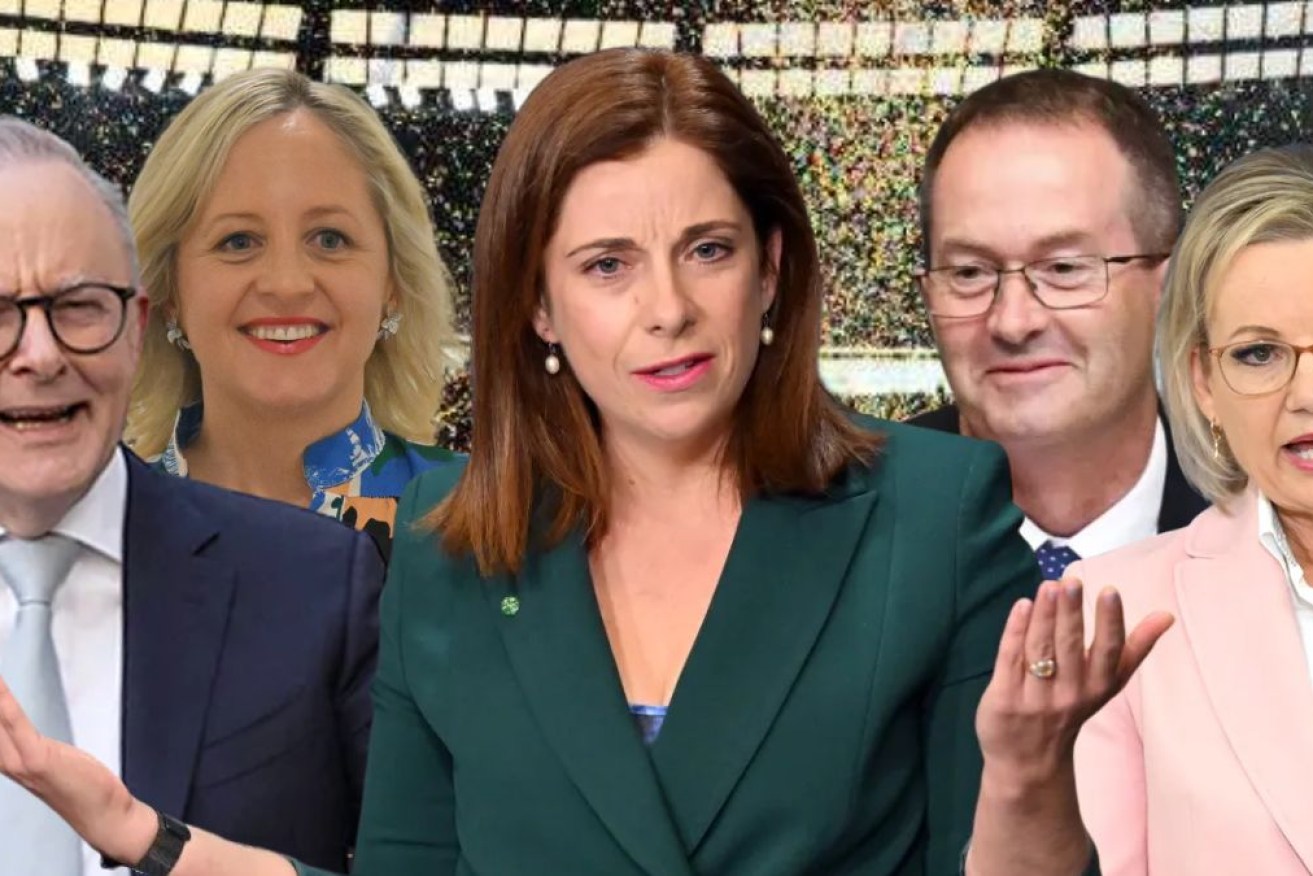
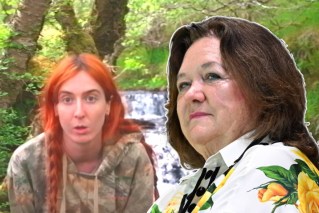
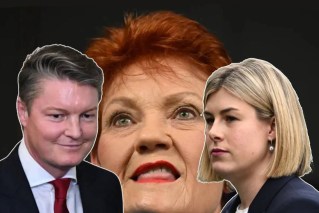
'Everyone does it' and it 'doesn't break any rules', so it's OK, right? Photos: AAP/TND
In 2021, comedian John Delmenico wrote a joke for the satirical Chaser news site, summing up the latest politician waste of public money.
“I didn’t break any rules, says guy who makes the rules,” he wrote.
Delmenico brought back the joke back last week because it was timeless – almost doesn’t matter what year it is, it applies.
Because that’s the thing about politics. It’s all in the rules because those who benefit from it all, write the rules.
The current rules exist because the politician driving this latest expense scandal, Sussan Ley, settled an investment property sale while charging taxpayers for her work trip to Queensland’s Gold Coast in 2017.
And even though Ley “didn’t break any rules”, the public pressure was enough for the prime minister at the time, Malcolm Turnbull, to force her to step down. An independent expenses watchdog was established to make entitlement and pay decisions for politicians, and that was supposed to fix it.
But, of course, it didn’t. Because the independent watchdog set the rules according to the information it was given by parliamentarians. People who were used to their workplace providing perks that almost no other workplace in Australia provides, a historical throwback to when parliamentary pay did not cover the long stints of travel needed for the job.
Now, of course, politicians earn more than most Australians – with ministers and senior office holders among the highest earners. But it’s become easy to assure themselves in taking advantage of the generous (and they are generous) entitlements, because everyone else is.
These are people who earn enough money to be able to fly their families on their own money, who can afford to pay for the tickets, sporting boxes and concerts thrown their way. These things are not crucial to their work duties of course, even as they convince themselves they are. The people who invite politicians to these things do it for the proximity to power and influence, which is the same reasons the politicians attend. And because it’s fun. It’s exciting. And mostly, because they can.
The culture within the tent is to use what’s there. So it becomes second nature to submit expense claims the average worker could never dream of justifying. But everyone’s doing it right? So what’s the problem? (This is sarcasm, in case that didn’t translate).
As Rob Harris pointed out in the Nine newspapers last week, there used to be a deal of sorts between Anthony Albanese and his Coalition mirror counterpart, Christopher Pyne, with the pair keeping both sides in check to ensure the mutually assured political destruction of an expense scandal didn’t ever again reach the fever pitch of the Bronwyn Bishop years.
You could say that one of advantage of the end of “bipartisanship” between the two major parties is an end to arrangements like that, but that is perhaps too shortsighted. It is very telling that Ley’s and the Coalition’s line here is not to support a complete overhaul of the “rules” and to call for an end to all but provable legitimate travel and entitlements, but instead to make those who have used them, and oppose their politics, scapegoats.
Ley is already getting blowback internally from some colleagues because the sparks lit by the Anika Wells travel controversy are starting to burn the Coalition (which is always what was going to happen). Melissa McIntosh and Andrew Wilcox are having to account for their own expenses (which were also, within “the rules”) – Wilcox flies his wife with him almost everywhere (and has previously told colleagues and some media she helps prepare him for parliament, including ironing his shirts).
That’s within the rules, but imagine an ABC employee insisting on having their partner accompany them on work trips to ensure they were camera-ready every time they left their accommodation. It would be considered insanity.
Most people would love to be able to fly their loved ones to meet them for the mundane parts of their jobs, let alone the fun bits, but that’s not a world any of us could shape.
We are often told that one of the reasons politicians deserve these additional perks is to help attract the “best and brightest”, who would otherwise be lured away by higher paying private sector jobs.
Again, that is not the reality. Politics is a lifelong career now, one that more often than not starts before they even reach university. It’s a single-minded drive that dictates choices of degree, alliances and political parties – not for money (although that is, no doubt, a lovely cherry) but for power.
Gone are the days where politicians entered parliament to address the issue that had driven them there before returning to a non-political life. Now career politicians are the norm, and when they get sick of that (or lose the hunger games), a cushy high-paying private sector job still waits for them. So why must we accept that, in 2025, very wealthy powerful people deserve taxpayer-funded travel perks for their families?
“Everyone does it” is not a defence. Of course, it is hypocritical for Ley, someone who has previously pushed (even if not crossed) the bounds of travel entitlements, to then accuse someone else of the same thing. But that too isn’t the point.
Why do these entitlements still exist, is the actual question. Neither major party wants to address that, because neither wants to give it up. The only winner is actually Delmenico, who will get to repeat his joke time and time again.
Oh – and while I have you – keep an eye on the Coalition Senate tickets. There are growing whispers the Queensland LNP may open its Senate ticket as early as this coming week, as the party tries to get ahead of growing discontent.
It’s no secret that the executive branch has divided support among the parliamentary arm, and the friction between the Nationals and the Liberals nationally has not helped the Coalition’s only formally merged party.
There is talk Matt Canavan will face a challenge to hold his spot on the Senate ticket – an issue given that more Liberals seem to be waking up to the fact that a joint Senate ticket benefits only the Nationals.
That has also become a problem for Bridget McKenzie in Victoria and Ross Cadell in NSW. The slow revelation across Liberal power-holders is that the rise of One Nation makes winning three Senate seats particularly difficult, which makes giving up a winnable seat to a Nationals colleague, one who has worked to make electing Liberals anywhere more difficult, is a no-win proposition.
Talks have already started about what this could mean for 2028 Senate pre-selections, with Queensland looking to be the first cab off the rank.
One could wonder why no one in the Liberals thought to play this particular reality card while the Nationals were running around pulling apart the Coalition. But there would need to be someone with enough authority in the Liberals to have been able to make that clear.
That it is only now just dawning on some in the Coalition points to just how lost the parties are, at all levels.
Amy Remeikis is a contributing editor for The New Daily and chief political analyst for The Australia Institute
Want to see more stories from The New Daily in your Google search results?
- Click here to set The New Daily as a preferred source.
- Tick the box next to "The New Daily". That's it.


We're in a poll glut – and it may be about to get worse