Will the Liberals hold firm in the fight over freedom to find information?

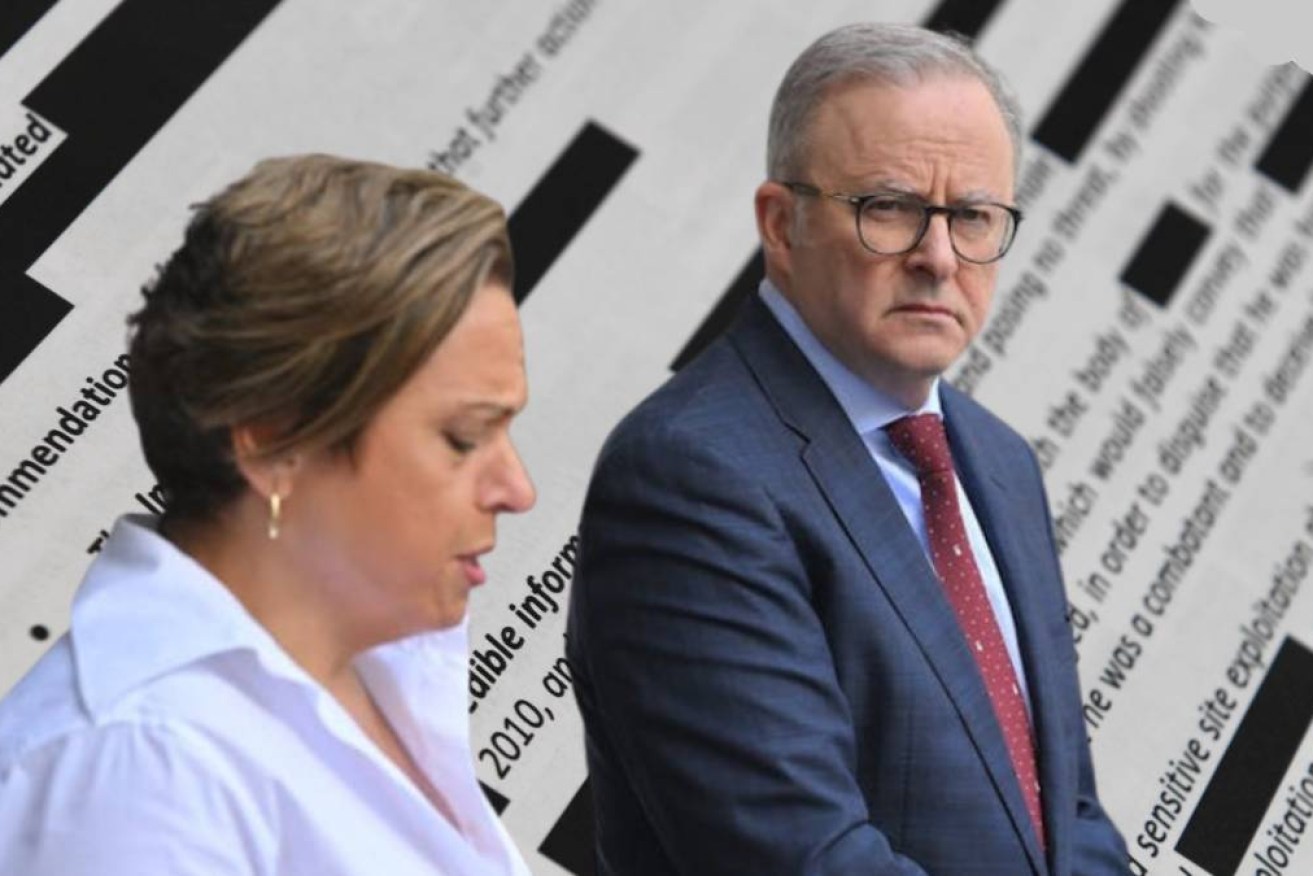
Michelle Rowland is staring at the potential defeat of her bill to overhaul FOI. Photo: TND/AAP
A little under a year ago, then communications minister Michelle Rowland had to make a humiliating retreat.
Rowland conceded the government’s sweeping legislation to combat “misinformation and disinformation” would not proceed because the numbers were not there to get it through.
The government claimed the plan would have held big tech platforms to account in having to deal with false information.
It would have “ushered in an unprecedented level of transparency”, it said. Opponents saw it as the government wanting to censor the internet.
Now Rowland, appointed to the plum post of Attorney-General following the election (after former occupant Mark Dreyfus was dumped from the ministry in a factional execution), is staring at potential defeat on another high-profile measure – her bill to overhaul the freedom of information regime.
On Thursday, a group of lower and upper house crossbenchers joined forces at a news conference with the Centre for Public Integrity, an independent think tank, to condemn the bill.
They are calling for its withdrawal and an independent inquiry into FOI to be set up.
The government argues the FOI system has become expensive and unworkable, gobbling up public service resources and open to exploitation by “bots” and foreign players.
It insists its changes would “strengthen” the system, ensuring “genuine requests are prioritised while saving the taxpayers money on frivolous and automated requests”.
But in Senate estimates hearings this week, the government was unconvincing when pressed to substantiate some of its claims. For example about the problem of “bots” clogging the system.
The CPI goes to the core issue in relation to access to information about government operations, saying the bill represents “a radical shift in Australia’s FOI culture”.
That shift, reflected in the bill’s “objects”, is “from a focus on the Australian community’s access to information, promoting democracy through public participation and increased scrutiny, to a newly introduced ‘balance’ between this and ‘effective government’”.
“The public service is first and foremost there to serve the public,” independent MP Allegra Spender said.
“But this amendment bill is designed to exclude the public by putting up new barriers to transparency and public scrutiny at a time when we need to hold the government and public service to account.
“In fact, this bill runs absolutely counter to the objective of transparency – it makes no changes that would make it easier or simpler for the public to navigate the FOI process.”
Another crossbencher, Helen Haines, said the legislation was “an extraordinary attempt from the government to broaden cabinet exemptions, when the Robodebt royal commission said that the cabinet exemptions in the FOI Act should be repealed”.
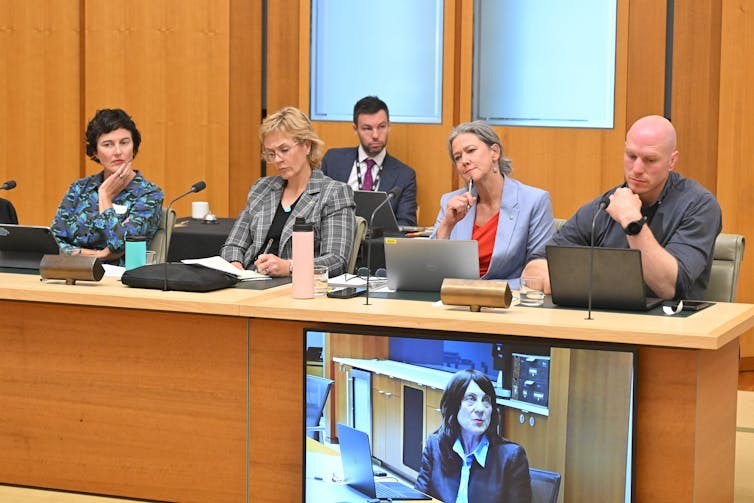
Senate crossbenchers have been critical of the proposed reforms. Photo: AAP
A Senate inquiry, already running, is due to report in early December, after parliament rises for the year. So the battle will rage into 2026.
When the legislation, which has been introduced into the House of Representatives, reaches the floor of the Senate, Labor will need the support of either the opposition or the Greens to pass the bill.
Greens spokesman on attorney-general matters David Shoebridge has declared the Greens will definitely oppose it.
At present, Shoebridge said, the legislation didn’t have a friend in the Senate. But his fear is the opposition, seeing itself as “a party of government”, may do a deal with Labor on a bill that increases the power of the executive.
The Coalition has flagged it is disposed to oppose the legislation. But it is yet to receive a relevant security briefing.
“We are going to wait at least until the security briefing before we make final decisions in discussions with the government,” shadow attorney-general Julian Leeser said on Thursday.
This bill is a serious test for the Liberals.
An aspiring government sees the potential future advantages to it of limiting the access by pesky journalists, stakeholders and others to information. But what about a Coalition that faces two terms in opposition, and needs every avenue to probe for useful ammunition?
A cynic might say the Coalition can have its cake and eat it too – it could make a stand on principle for transparency by opposing the bill, while reaping the advantages of the present level of access to information (flawed as that might be).
How we have arrived at this legislation remains opaque.
Crossbencher Zali Steggall told Thursday’s joint news conference: “In opposition, the Labor Party made much of the call for integrity and more accountability of government. Yet here we are, in the second term of the Albanese government, that has a record now of actually leaning into secrecy and doing everything it can to reduce accountability.”
In Senate estimates on Tuesday, Shoebridge asked the secretary of the Attorney-General’s Department, Katherine Jones, whether the proposal for the FOI reforms was generated from her department or from somewhere else in government.
“I don’t know whether I would attribute them to […] coming out of anywhere. There have been ongoing discussions across government,” Jones said.
Another officer added that “the current bill was developed by the department, but there’s been a track record of reviews and recommendations”.
In the government’s previous term, a range of proposals was considered for reforming freedom of information.
But there was no sign of legislation that matches the current plan, and no promise was made in the election campaign. The new Attorney-General is left carrying the troubled legislation but she is not seen by insiders as the prime driver of it.
FOI is something that all ministers and departmental secretaries (the latter colloquially dubbed the “black cabinet”) have an interest in and views about. For many bureaucrats and ministers, FOI is at best a nuisance and at worst a potential threat.
Albanese, who told parliament on Thursday the FOI system was “not working for anyone”, will be pushing to get the legislation through via a deal with the Liberals. As a well-placed source observes, “the Prime Minister has never liked FOI”.
Michelle Grattan is a Canberra press gallery veteran and Professorial Fellow at the University of Canberra
This article is republished from The Conversation under a Creative Commons licence. Read the original article.
Want to see more stories from The New Daily in your Google search results?
- Click here to set The New Daily as a preferred source.
- Tick the box next to "The New Daily". That's it.
Economy not the only reason for One Nation's rise