‘Loved to death’: Grimmest of warnings for Neil the Seal
Source: Instagram/Neiltheseal22
Wildlife authorities say Tasmania’s famous Neil the Seal is at risk of being “loved to death” unless people give him a bit of space.
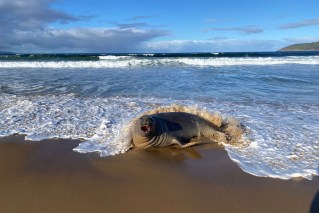
Neil the southern elephant seal has returned to south-east Tasmania for his biannual haul out, in which he takes a rest on land after feeding at sea.
His hefty presence on beaches and suburban streets has already drawn thousands of spectators – on one recent Sunday, more than 100 people crowded a local beach to watch Neil.
Neil’s fame is also going global as more and more people are documenting his antics online.
Five-year-old Neil, a member of the largest seal species on the planet, already weighs 1000 kilograms. He will tip the scales at 3000 kilograms when fully grown.
But amid reports that people are offering him food and getting close with small babies for photos, wildlife authorities late last week issued a stern warning.
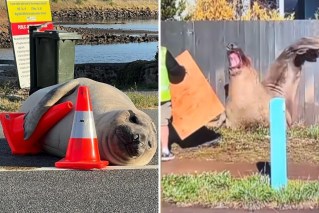
Neil likes sunbathe his huge bulk in the middle of roads, and has been known to disrupt local traffic while lying in front of cars.
Last month there was uproar when workers from Tasmania’s Department of Natural Resources and Environment were called in after Neil set up camp in the middle of a local street.
In footage posted online, they were seen using a board and padded stick to herd Neil away by poking and hitting him.
The department said it was an “internationally recognised approach used by trained wildlife experts” that did not harm the seal.
“He is a large marine predator and we need to treat him as such and give him the respect he deserves,” Kris Carlyon from the state department said last week.
“He can look cute and cuddly … but we certainly wouldn’t be approaching things like polar bears or bison.”
Carlyon said that authorities overseas had sometimes been forced into the grim decision to euthanise animals when people’s behaviour couldn’t be managed.
“There is a risk here of essentially loving Neil to death,” he said,
“[But] it’s a last resort. That is where we don’t want to get to.”
Neil’s presence on social media – one video of him breaking bollards near a phone box has almost 17 million views – is a “double-edged” sword.
Carlyon said it raised wildlife awareness but could also encourage risky behaviour.
Neil was born on a south-east Tasmanian beach with no other seals around, likely to a young mother who was inexperienced. As a result, he doesn’t have a colony.
He is pre-programmed to return to the same area to rest, although there is a chance he will find a breeding partner when he gets older and move.
Carlyon has watched Neil since he was a 40-kilogram pup that wildlife officers had to remove from a sandbar to ensure he didn’t drown.
“Regardless of the resource burden and challenges he throws, we’re pleased to see him,” he said.
Carlyon said this weekend could be Neil’s last in the area and authorities were expecting another flurry of visitors.
“It is unique having a big animal like this close to a major city on a fairly urban beach, we understand that,” he said.
“What we’re asking people to do is, if they do go and see Neil, is to give him the respect he needs, to keep their distance and just adhere to any guidance that department staff or council workers do provide.
“We’re certainly not saying people have to stay away, but we need people to really be sensible about how they do that.”
Authorities say people must stay at least 20 metres away from Neil, keep dogs on a leash and 50 metres away. They should also avoid blocking his access to the water.
Any untoward behaviour could attract penalties with fines of up to $16,000 and a maximum jail term of 12 months on the cards for people who touch or disturb native wildlife.
-with AAP
‘A great deal’: $200m smelter lifeline announced
Jumping castle tragedy wind gust ‘unprecedented’
Supply 'secure' after fire guts power station
Jumping castle tragedy inquest to begin
Dead man identified three years after skull found

Taxpayers may stump up for historic brewery
'Loved to death': Grim warning for Neil the Seal