Rents stall in most cities as tenants hit affordability wall

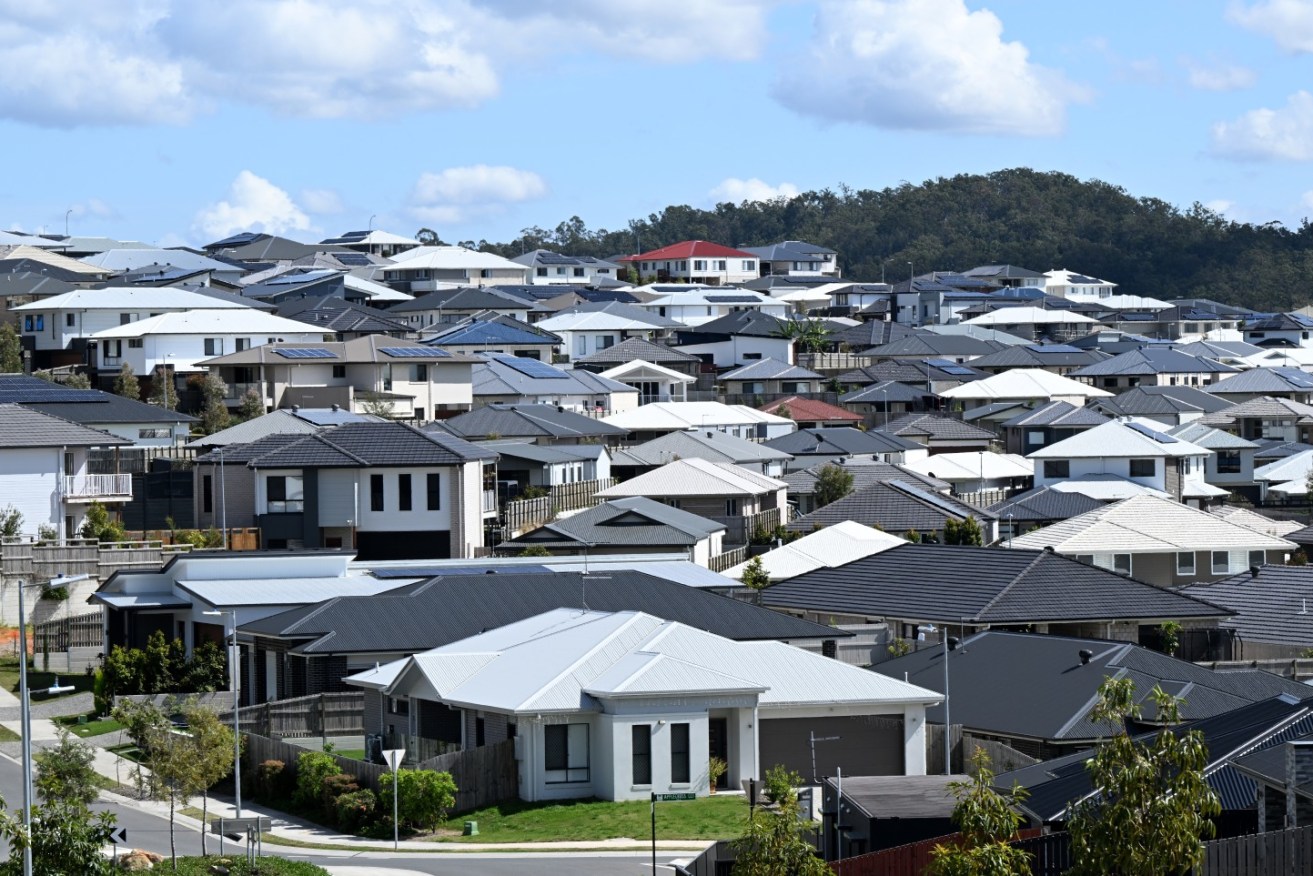
Rental prices have stalled even with a lack of housing. Photo: AAP
Australia’s overheated rental market has suddenly stalled, with experts saying tenants have reached the limit of what they can absorb.
Figures from the September quarter show rent prices did not rise any further in most capital cities, while prices actually dropped in Sydney.
The data from Domain revealed a “broad slowdown” after years of huge increases.
Capital cities where rents remained unchanged from June to September were Melbourne ($600), Brisbane ($700), Adelaide ($650), Perth ($750) and Hobart ($625).
The only rental drop was in Sydney, which fell $5 to $835.
Prices rose in Darwin, from $760 to $800.
The price deceleration happened despite the rental market remaining extremely tight, with demand outstripping vacancies.
Vacancy rates remain near historic lows nationally.
“This disconnect indicates that constrained supply alone is no longer translating into stronger rent growth, adding weight to the view that affordability pressures may be limiting tenants’ capacity to absorb further increases,” Domain said.
“The absence of growth in several supply constrained markets suggests affordability pressures are becoming an increasingly important influence on market outcomes.”
Overall, house rents were unchanged over the quarter, while unit rents increased a modest 1.5 per cent.
Conditions varied considerably between cities.
Sydney and Canberra were the only capitals where rents declined. In Melbourne, Brisbane, Adelaide and Perth there was no change across houses or units.
Darwin had rents rising across both dwelling types, while Hobart unit rents also rose.
The rental data came against a backdrop of tight rental vacancies, recent federal budget changes to negative gearing and capital gains tax, and September’s RBA policy rate increase still to flow fully through housing market activity.
Domain said the outlook remained “finely balanced”.
“Slowing investor activity is expected to constrain the delivery of additional supply, reinforcing existing shortages.
“At the same time, higher borrowing costs and adjustments to housing investment policy will place greater pressure on investors to offset rising holding costs and weaker capital growth expectations.
“As the latest results indicate, capital city markets are entering a more measured phase of growth, with landlords likely to continue cautiously testing pricing, while both demand and supply face challenging conditions and an uncertain outlook.”