Japan PM set to visit over Hormuz, rare earths: report
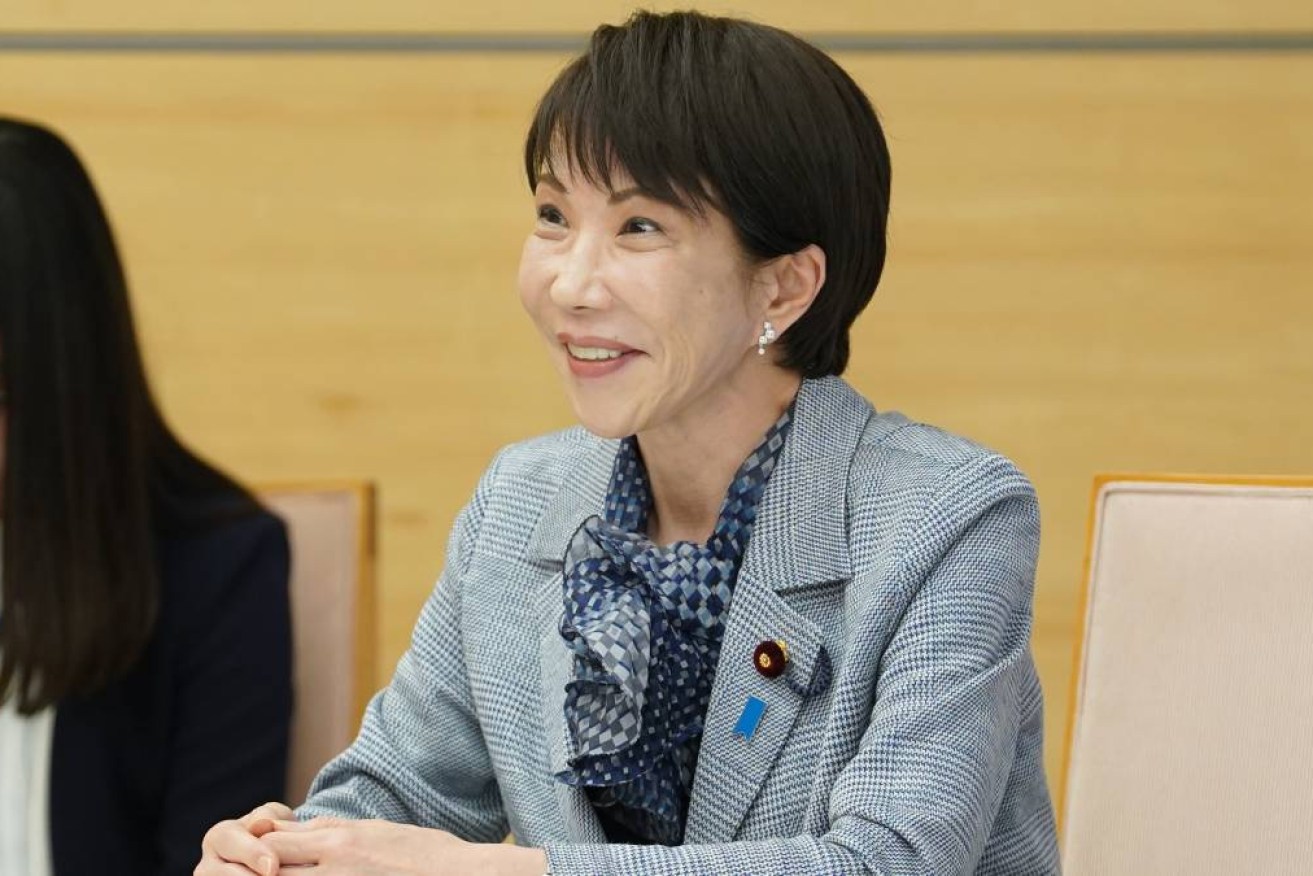
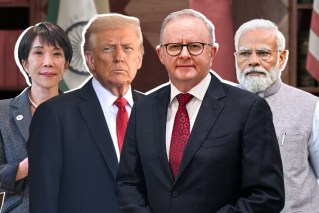
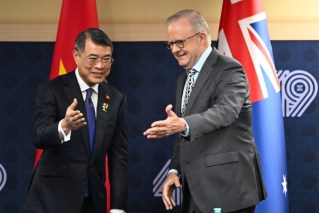
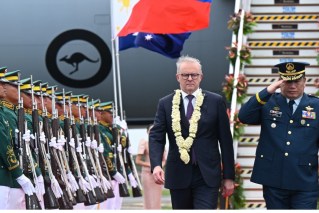
A Japanese newspaper reports Prime Minister Sanae Takaichi is intending to visit Australia. Photo: AAP
Japanese Prime Minister Sanae Takaichi is planning a visit to Australia, seeking to discuss supply chains for rare earth elements and co-operation on safe navigation in the Strait of Hormuz, the Nikkei newspaper reports.
Takaichi’s initiative comes shortly after her government signed a rare earths deal with France, which Japan’s public broadcaster NHK reported on Wednesday.
Japan and other countries have been aiming to diversify away from the supply chain largely dominated by China, the world’s largest rare earths producer and supplier.
The Japanese and Australian leaders will also discuss the “free and open Indo-Pacific” initiative, the Nikkei report said.
The attempt to lessen dependence on China has allowed Australian miners to secure deals, with Lynas agreeing a potential rare earths deal with South Korean firm LS Eco Energy last week.
Australian Minister for Resources Madeleine King said on Thursday that France was among the countries that were set to invest in Australian critical mineral projects.
Australia in oil crisis talks
Australia has joined more than 40 nations to discuss reopening a crucial waterway, as the United Nations Security Council weighs up whether “defensive” force can be used to protect shipping from Iranian attacks.
Foreign Minister Penny Wong was part of a virtual meeting with international counterparts on Thursday evening to discuss the Strait of Hormuz after it was closed by Tehran in response to US-Israeli attacks.
“The focus of last night’s meeting was diplomatic and civilian initiatives countries could pursue to make the Strait of Hormuz accessible and safe,” Wong said in a statement on Friday.
“Ministers agreed on the importance of continued co-ordination and collective action.
“Australia is not taking offensive action against Iran and we are not deploying troops on the ground in Iran.”
Oil prices are soaring, which has inevitably driven up the cost of food for many households across the world as leaders try to manage the economic fallout of the war in the Middle East.
The UN Security Council is set to vote on a draft resolution put forward by Gulf-state Bahrain on whether defensive action can be taken to protect ships transiting through the Strait of Hormuz.
Bahrain’s ambassador to the United Nations Jamal Alrowaiei previously said the world could not accept “economic terrorism”.
Only a handful of ships are moving through the strait every day.
In a televised address from the White House on Thursday AEDT time, US President Donald Trump called on allies that depend on supplies coming through the oil corridor to take action.
“The countries of the world that do receive oil through the Hormuz Strait must take care of that passage,” Trump said.
“We will be helpful, but they should take the lead in protecting the oil that they so desperately depend on.”
The core objectives of the war in Iran were “nearing completion”, he said, without providing an end date for the conflict.
Reports in News Corp papers said Australia has sent elite special forces troops to the Middle East, and cabinet minister Anika Wells did not deny them.
“I want to reassure Australians, we are not involved in offensive action overseas,” she told ABC News Breakfast.
“The specifics of when and where assets are deployed in the region, as you would imagine, are operational and I can’t comment.”
Defence analyst Marcus Hellyer, head of research at Strategic Analysis Australia, said a modest military contribution from Canberra in the form of a warship would be unlikely to have any impact on the conflict in the Middle East.
“The worst case is a nuclear war, we do need to find a solution and countries need to pull Israel, the US and Iran back from the brink,” he told AAP.
Australia didn’t have many ships it could send to the region due to previous governments’ mismanagement of the defence acquisition process, he said.
Opposition Leader Angus Taylor has called for Australia to consider any requests made by the US to send military assets to the Middle East.
Prime Minister Anthony Albanese questioned the need for a prolonged war in an address to the National Press Club on Thursday.
—AAP