Power bills to surge double what Federal Budget estimated
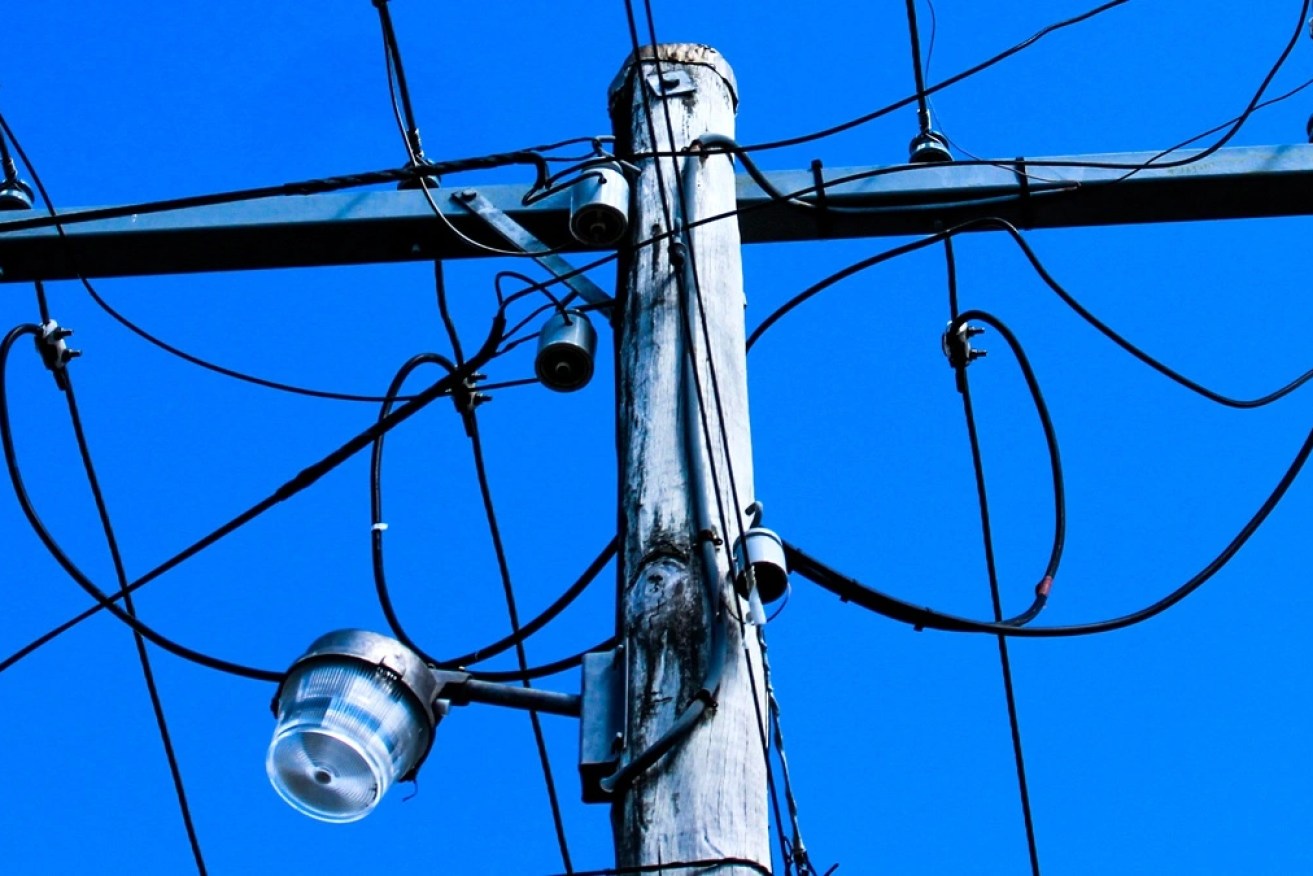
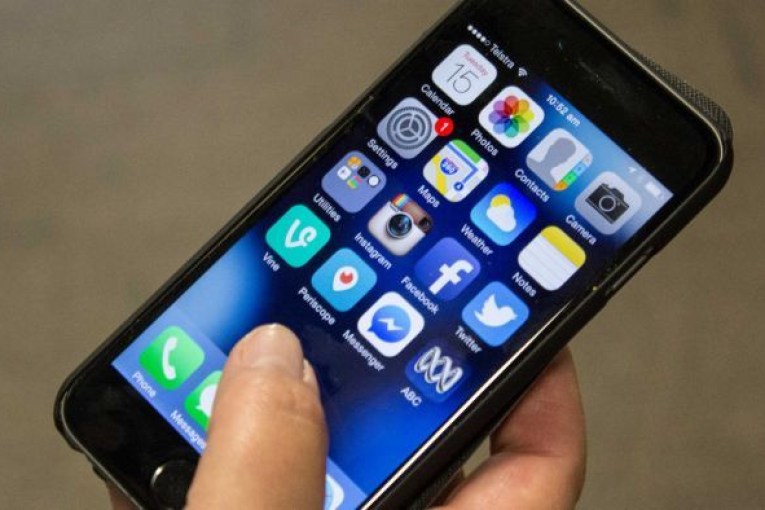
Families experiencing hardship as the cost of living soars will be eligible to have part of their daytime electricity supplied free. Photo: AAP
The energy regulator has confirmed power bills will surge by nearly 25 per cent — or more than $400 — for thousands of Australian households, and has urged people to shop around.
From July 1, residential prices in NSW, South Australia and southeast Queensland will increase 19.6 to 24.9 per cent, depending on region.
Small business customers are facing lifts of 14.7 per cent to 28.9 per cent.
The rises are more than double the 10 per cent jump that was estimated in the Federal Budget for 2023/24.
But Australian Energy Regulator chair Clare Savage told ABC radio energy prices would have surged 35 to 50 per cent if the government had not intervened in the market.
NSW customers on the default offer can expect to see prices lift by $440 to $594 annually while relevant households in southeast Queensland could end up paying an extra $402.
In South Australia, residential customers can expect prices to lift by around $512.
Ms Savage acknowledged Australians were facing cost-of-living pressures “on many fronts”.
She said the agency considered those pressures, as well as the need for retailers to recover their costs, when deciding the default market offer.
“We know households and small businesses continue to face cost-of-living pressures on many fronts, and that’s why it’s important the (default offer) provides a safety net for those who might not have shopped around for a better power deal,” she said.
“No one wants to see rising prices and we recognise this is a difficult time, that’s why it’s important for consumers to shop around for a better deal.”
The AER fixes the maximum price retailers can charge customers those states.
Around nine per cent of customers are charged the default market rate, which effectively acts as a safety net to ensure domestic users are not charged obscene amounts.
Most customers are on lower, discounted rates, but the default offer also serves as a benchmark for wider prices.
The regulator said high wholesale energy costs continued to drive up retail electricity prices.
Ms Savage said some households would be eligible for energy rebates co-funded by state and federal governments, although she was unable to advise how many on the default offer were in line for rebates.
Employment Minister Tony Burke said prices were lower than they would have been if the government had not intervened.
“All of those issues were issues that were controversial, that (opposition leader) Peter Dutton and the others voted against,” he said.
“But, you know, you can’t do everything to control international prices and international impacts, but where you can act to put constraints on prices, the government is.”
Want to see more stories from The New Daily in your Google search results?
- Click here to set The New Daily as a preferred source.
- Tick the box next to "The New Daily". That's it.