‘Devastating blow’: Nurse case hinges on video legality
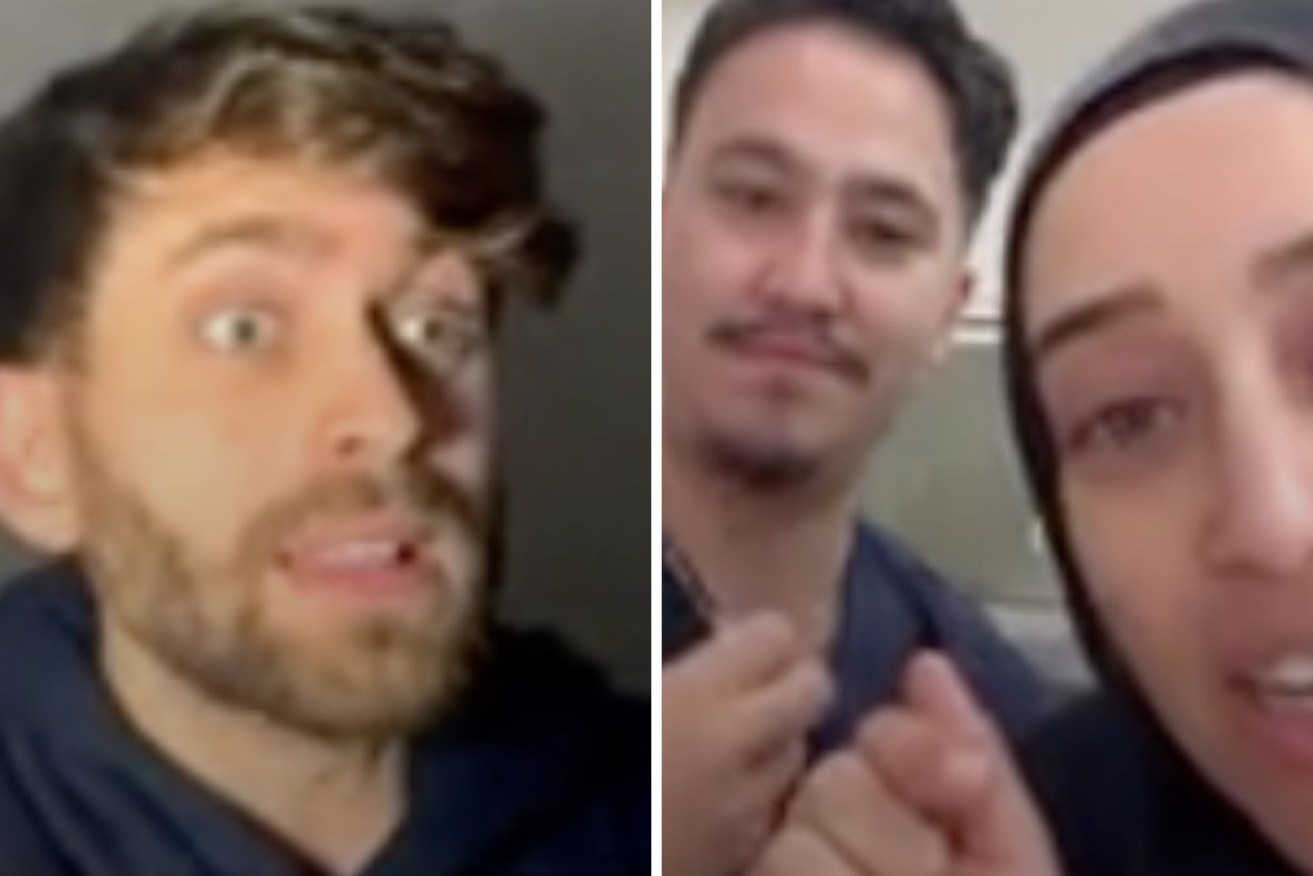
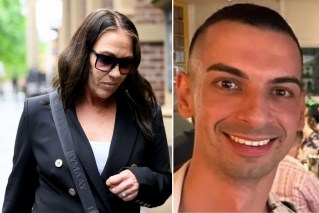
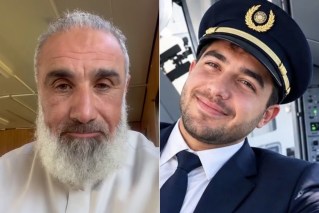
Ahmad Nadir and Sarah Abu Lebdeh were recorded by Israeli influencer Max Veifer. Photos: Instagram
The case against two Australian nurses accused of making antisemitic comments to an Israeli influencer faces collapse with video footage potentially being struck out.
Ahmad Nadir and Sarah Abu Lebdeh are accused of being menacing and offensive when they allegedly said they would refuse to treat Israeli patients and threatened violence towards them.
The pair are due to face a trial at the end of August. But the key piece of prosecution evidence, video footage of the pair, might yet be excluded if it is ruled to have been obtained illegally.
Israeli national Max Ilinsky, popularly known as Max Veifer, recorded video of his conversation with the nurses on the platform ChatRoulette in 2025.
The platform, known as Chatruletka in Israel, randomly matches people from across the world to facilitate conversations.
On Thursday, lawyers for Nadir and Abu Lebdeh argued in Sydney’s Downing Centre District Court that Veifer’s video was recorded illegally and should not be used as evidence.
Although Veifer recorded the conversation from his home in Israel, the voices of the nurses being recorded without their consent at Bankstown Hospital in south-west Sydney was an illegal invasion of their privacy, Nadir’s barrister said.
“This man (Veifer) is running his own private … vigilante activity,” Greg James KC said.
“He doesn’t care what legal regime may prevail to obtain the recordings.”
He conceded the conversation amounted to “plainly stupid things said by stupid people”.
Outside court, Nadir’s solicitor Zemarai Khatiz said excluding the video could end the criminal proceedings.
“Only admissible evidence should go before the jury … we have argued that it was a private conversation that was unlawfully recorded,” he said.
“It will be a devastating blow to the prosecution’s case [if the video is excluded].”
Crown prosecutor Justin Hannebery KC argued in court the online chat did not have the same expectations of privacy because of the random nature of the connection between the nurses and Veifer.
“Not all private conversations are created equal,” Hannebery said.
“It isn’t exactly [a chat] with a close personal friend where that expectation might be regarded as absolutely heightened.”
The crucial nature of the evidence in the prosecution case outweighed any questions of how it was obtained, the prosecutor contended.
“The recording is basically an unchallengeable account of what was said by those people on that day,” he told the court.
Judge Michael McHugh will hand down his decision on June 23.
A further issue flagged on Thursday was whether Veifer would be required to fly from Israel to Sydney to give evidence at the trial.
He gave evidence via audiovisual link from Ashod in Israel on Monday, but James and fellow defence barrister Peter Lange SC argued he should be made to give evidence in person.
Hannebery told McHugh that while the prosecution had applied for Veifer to give evidence remotely, they were planning for him to be physically in front of the jury during the trial.
A decision on Veifer’s evidence was also reserved for a later date.
-AAP