Amelia Earhart’s plane wreckage search comes up empty

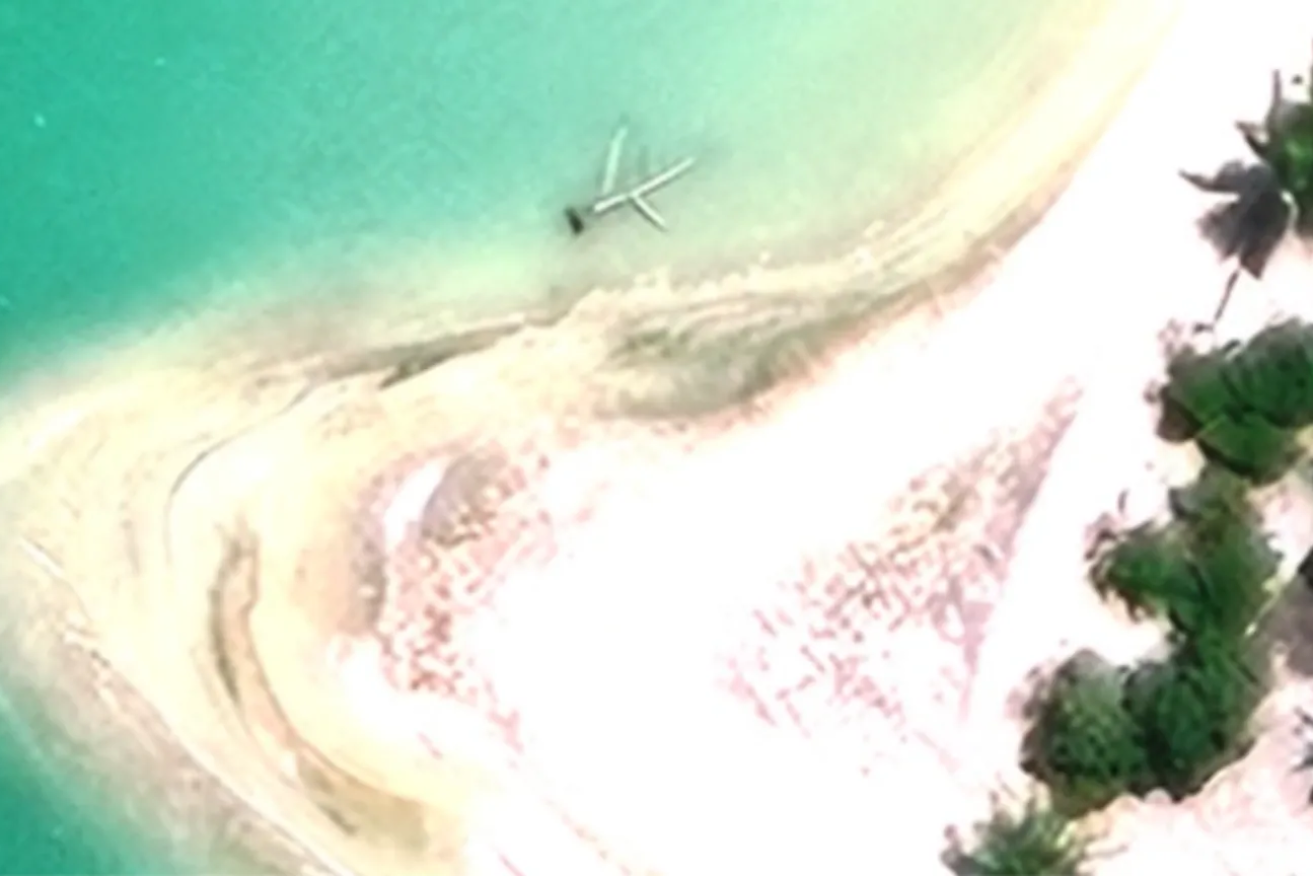
The Taraia Object lies in a shallow coral lagoon known as Nikumaroro in the obscure Phoenix Islands. Photo: Purdue Research Foundation
Searchers have identified a mystery object in a remote lagoon that they had hoped would shed light on the enduring puzzle of Amelia Earhart’s missing plane wreckage.
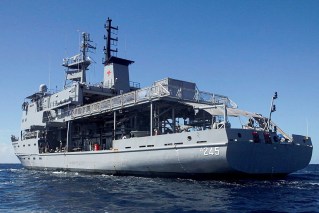
A team travelled to the remote Nikumaroro Island, part of Kiribati archipelago in the Pacific, to investigate the so-called Taraia object, which was spotted in aerial imagery in 2020.
But the latest search for Earhart’s crashed plane from her round-the-world flight nearly 90 years ago ended without success.
Searchers said the anomaly was not a piece of plane wreckage but likely a collection of large trees.
By the time the team arrived at the site, most of the debris had fragmented and washed away.
“Amelia Earhart’s spirit of courage and curiosity drove every step of the search,” Archaeological Legacy Institute executive director and team leader Rick Pettigrew said.
“We accomplished our goal to determine what the Taraia Object was, and we’re deeply grateful to the private donors who shared our vision and made this journey possible.
“Our team remains in great spirits and proud of what was accomplished.”
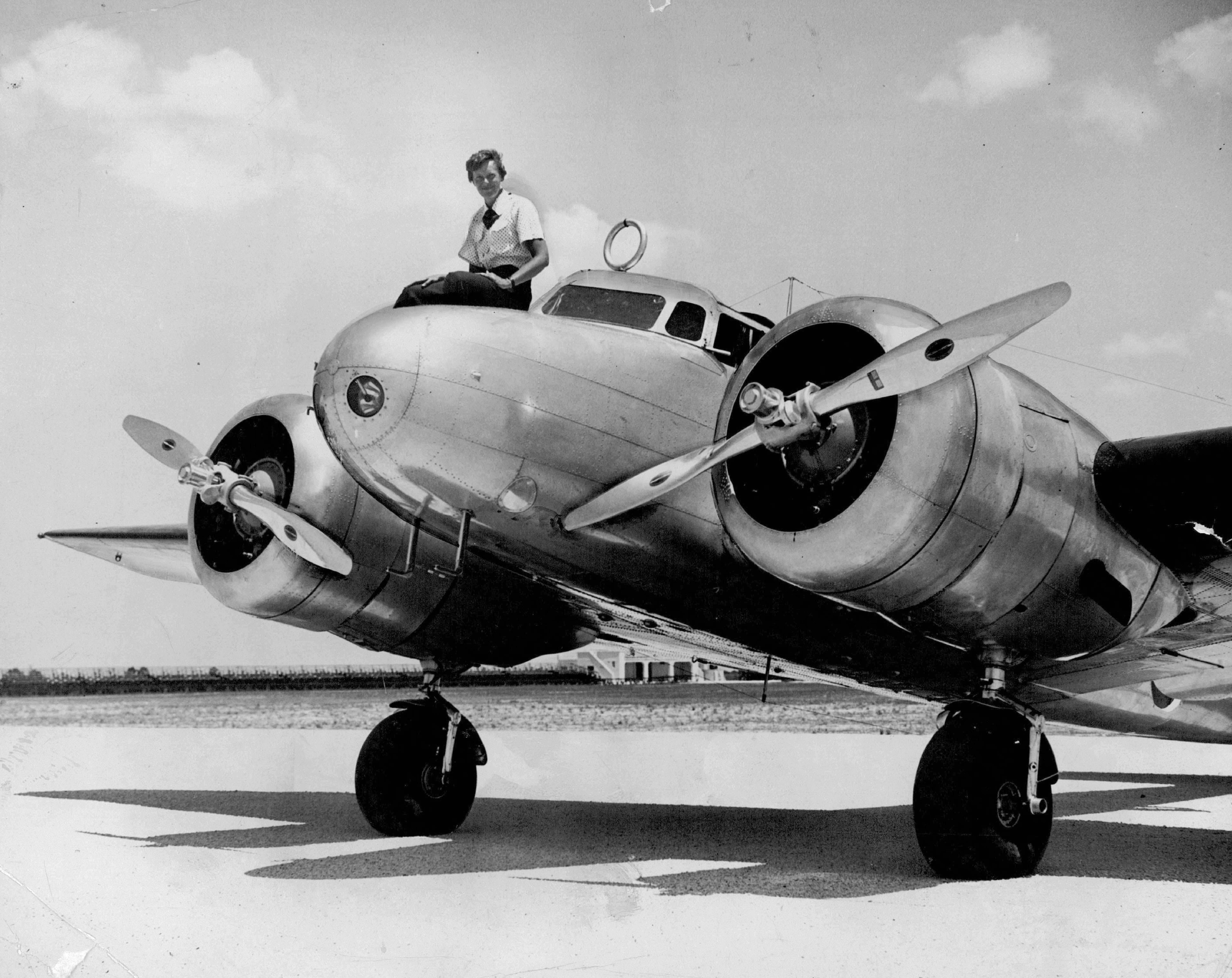
Authorities have long concluded Earhart’s aircraft plunged into the sea and sank in very deep water. Photo: AAP
Expedition member Steve Schultz said the group set out to test a hypothesis and followed the evidence to the end.
“While the Taraia Object did not prove to be what we hoped, the journey produced new discoveries, added to the world’s knowledge of Nikumaroro, and wrote another extraordinary chapter in a story of discovery and exploration,” he said.
“Amelia Earhart never gave up — she kept pushing boundaries and flying into the unknown. That same fire fuels our search. She kept flying and we will keep searching.”
Earhart’s plane vanished without a trace over the Pacific in 1937 during her attempt to circumnavigate the globe with navigator Fred Noonan in a twin-engine Lockheed Electra.
Many theories still surround the mystery, although the consensus among historians is that the then 39-year-old aviation pioneer crashed into the sea and died.
Earhart was the first woman to fly across the Atlantic in 1928, as a passenger.
In 1932, she made the first solo flight by a woman across the Atlantic as a pilot.
Her final flight was her mission to become the first woman to circumnavigate the globe.
Four days before disappearing, Earhart touched down in Darwin — her only mainland Australian stop — before heading to Papua New Guinea the next morning.
After checking and adjusting equipment in Lae, she set off to Howland Island, never to be seen again.
Nikumaroro Island is midway between Australia and Hawaii in the Phoenix Islands archipelago and just 640km southeast of Howland.
The spectacular region is so remote it takes six days of sailing from Honolulu to access.
Pettigrew previously said he believed there was evidence to suggest Earhart and Noonan landed on Nikumaroro and camped there for some time.




Greens split over under-fire senator's leave claims