US court mulls free speech and if officials can block critics on social media
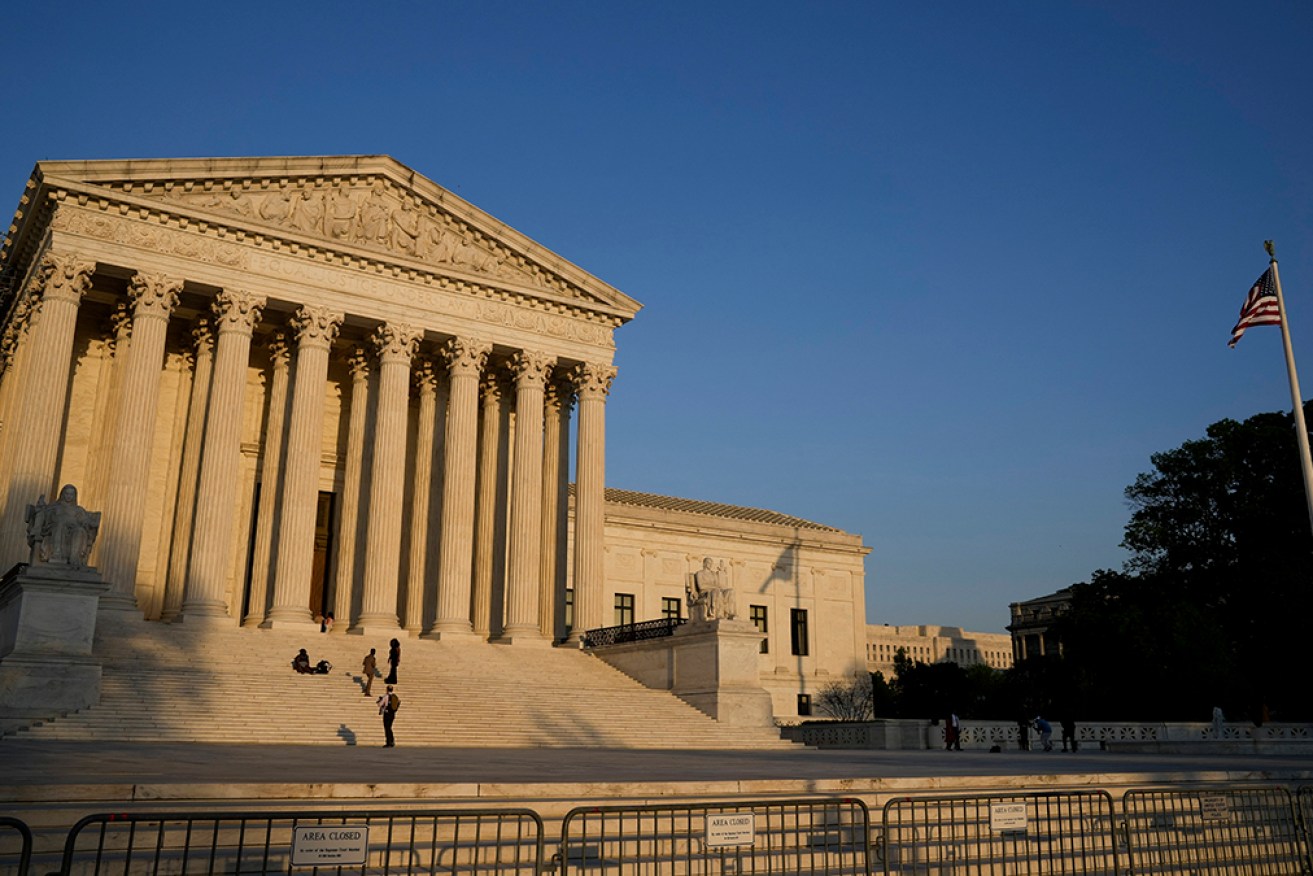
The US Supreme Court will consider free speech and officials blocking citizens on social media.
The US Supreme Court, exploring free speech rights in the social media era, has agreed to consider whether the constitution’s first amendment bars government officials from blocking their critics on platforms like Facebook and Twitter.
The justices took up an appeal by two members of a public school board from the city of Poway in Southern California of a lower court’s ruling in favour of school parents who sued after being blocked from Facebook pages and a Twitter account maintained by the officials.
The justices also took up an appeal by a Michigan man of a lower court’s ruling against him after he sued a city official in Port Huron who blocked him on Facebook following critical posts made by the plaintiff about the local government’s COVID-19 response.
At issue is whether a public official’s social media activity can amount to governmental action bound by first amendment limits on government regulation of speech.
The justices faced a similar first amendment issue in 2021 involving a legal dispute over former president Donald Trump’s effort to block critics from his Twitter account.
The justices brought an end to that court fight after Mr Trump had left office by deciding the case was moot, throwing out a lower court’s decision that found that the former president had violated constitutional free speech rights.
The California case involves Michelle O’Connor-Ratcliff and TJ Zane, elected members of the Poway Unified School District.
They blocked Christopher and Kimberly Garnier, the parents of three students at district schools, on Facebook and Twitter after the couple made hundreds of critical posts on issues such as race and the handling of school finances.
The Garniers sued Ms O’Connor-Ratcliff and Zane in federal court, claiming their free speech rights under the first amendment were violated.
Zane and Ms O’Connor-Ratcliff each had public Facebook pages identifying them as government officials, according to the Garniers’ court filing.
Zane’s page was entitled “TJ Zane, Poway Unified School District Trustee” and included a picture of a school district signage.
Ms O’Connor-Ratcliff also had a public Twitter profile.
On that account and her Facebook page, she identified herself as “President of the PUSD Board of Education” and linked to her official email address, the court filing said.
A federal judge in California ruled in favour of the parents in 2021.
The San Francisco-based 9th US Circuit Court of Appeals last July agreed, finding that the school board members had presented their social media accounts as “channels of communication with the public” about school board business.
The Michigan case involves Port Huron resident Kevin Lindke, who was blocked from City Manager James Freed’s public Facebook page after posting criticism relating to the COVID-19 pandemic.
Mr Lindke sued Mr Freed in federal court, also claiming his first amendment rights were violated.
Mr Freed’s account was a public Facebook page that identified him as a “public figure,” included a picture of him wearing his city manager pin and frequently included information about city programs and policies, according to Mr Lindke’s court filing.
A federal judge ruled in favour of Mr Freed in 2021.
The Cincinnati-based 6th US Circuit Court of Appeals last July agreed, finding that Mr Freed had not been acting in his official capacity when he blocked Mr Lindke from Facebook.
The petitioners in both disputes told the Supreme Court that the divergent outcomes in their cases reflected a divide among lower courts that the justices should resolve.
-Reuters