Medical marijuana pushed
Legalising medicinal marijuana is a controversial proposal but is the right thing to do, West Australian Labor leader Mark McGowan says.
Mr McGowan announced the plan at the state branch’s annual conference on Sunday, where he also said the WA Liberals were on the ropes but more work was needed to knock the Barnett government out of power.
Mr McGowan told the party faithful that spray or tablet-form cannabinoids were a compassionate and intelligent solution to the pain, vomiting, nausea and poor appetite endured by people who were terminally or chronically ill.
The Therapeutic Goods Administration has approved a spray called Sativex, but it is only available for treating the spasticity associated with multiple sclerosis.
For people who are dying, it provides relief sometimes in ways that other drugs don’t, Mr McGowan told reporters.
“This sort of support can be provided in the same way that they (doctors) provide morphine, which is a far more addictive and dangerous drug.
“The problem with morphine is it can damage organs and some people react very badly to it, it’s very debilitating to them and sometimes didn’t prevent pain.”
Mr McGowan stressed he was against recreational cannabis but said he was prepared for accusations the party was soft on drugs.
“I am prepared to take on tough issues. I believe in this. This is the right thing to do.
“We should not run away from tough decisions just because they’re controversial.
“I’ll cop criticism – I’m ready for it – but I’m not going to shy away from difficult or tough decisions.”
He appeared mildly optimistic Premier Colin Barnett could be open to the idea, having said in parliament in 2010 that there was some scope for therapeutic use of cannabis.
“It was an interesting debate. I would encourage the premier to take this up in a bipartisan fashion rather than reverting to the knee-jerk approach of just opposing everything.”
Mr McGowan also announced he wanted to give the judiciary power to grant exemptions under the statute of limitations in cases of child sexual abuse.
Currently, victims in WA must take action by the age of 21, but for cases of abuse occurring after November 15, 2005 and involving a parent or close associate of the parent, victims have until they are 25 to take action.
“These painful events can take decades to come to the surface,” Mr McGowan said.
“Statutory time limits should not be a barrier to justice.”
He said a state Labor government would also move to allow class actions in WA to make it easier for such victims to seek justice.
Until now, any West Australian that had been part of a class action had joined action pursued in other jurisdictions, he said.
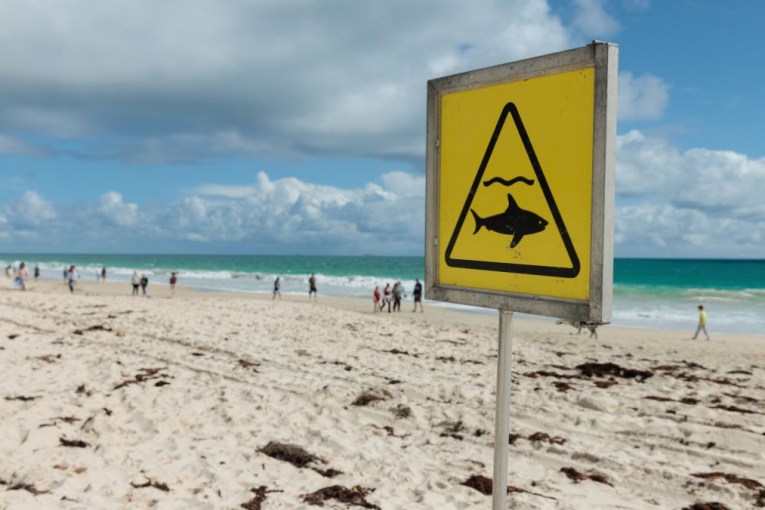
Sharks may lurk for weeks off Perth coast
Man feared dead after horrific shark attack at popular beach

Zoo slams ‘reckless’ teens after alleged croc assault
Man in serious condition after WA shark attack
'Politics has changed': ALP's One Nation problem