Australian housing market on track for biggest downturn since GFC

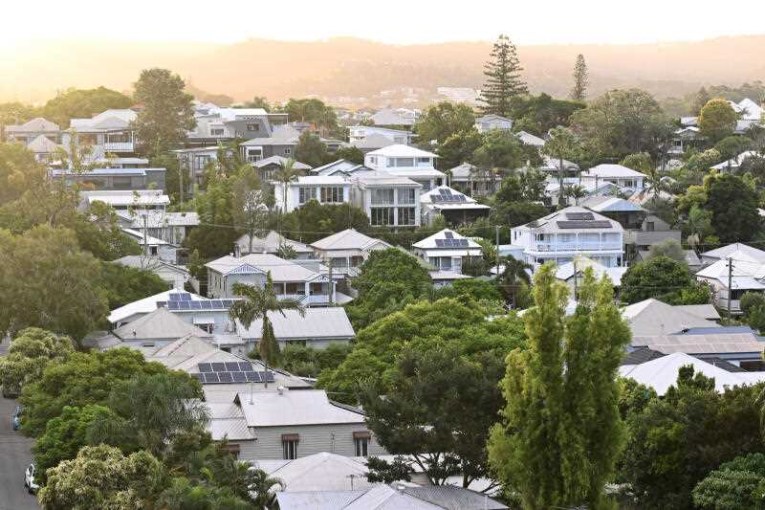
Australia’s housing market is on track to experience a slump bigger than both the global financial crisis and the 1980s recession.
National dwelling (houses and units) values slumped by 6.8 per cent since their peak in October 2017, driven mainly by sharp falls in Sydney (-13.2 per cent) and Melbourne (-9.6 per cent), according to new analysis by property data company CoreLogic.
If prices continue to fall at current rates, within one month this downturn will be the largest since 1982/83 when Australia – along with most of the developed world – was in the grip of a crippling recession.
“Some downturns are big, and some are small,” said Geoff White, head of real estate at CoreLogic.
“Usually, it’s driven by economic conditions, but in this case it’s more about credit.
“We’ve come off a brilliant period where we’ve seen strong growth – but the key is when things go up quite radically, they can go down quite radically. In many cases the growth over the last five years has been unstable and we’re seeing a reaction to that now.”
A key trigger for the downturn is that lending standards have tightened and banks are more cautious to provide credit to prospective home buyers, particularly investors.
During the GFC, banks were still prepared to approve loans, as the federal government’s bank guarantee – where the government underwrote the banks to boost confidence – kept credit flowing, while the first homebuyer grant stoked demand.
The tightening of lending standards – especially to property investors – coupled with increased stamp duty for foreign investors, have combined to cause the sharp market decline.
While the current downturn is dramatic, house prices over the longer term still show a positive trend – over the last 20 years the median house price has seen a 275 per cent increase, according to CoreLogic data.
“We’ve had a GFC, we’ve had recessions and yet we’ve still seen the market rise,” Mr White said. “It will always dip and dive, and it depends on the severity.
“This time the economy, across Australia in most major centres, has been performing well. Unemployment is low, inflation is low, interest rates aren’t high. There are great periods of growth and there will be falls.”
Confidence is key
But one commentator argues that economic conditions this time around should make homeowners feel more confident than they may have been during the GFC and the ’80s recession.
Not only is the economy strong enough to weather the storm, but Deloitte partner Nicki Hutley told The New Daily their analysis shows that wages are going up “albeit slowly” and people are still spending.
“When people say it’s the biggest downturn, it was preceded by the biggest upturn.
“In Sydney, for instance, we had houses going up 75 per cent, so for the bulk of people who brought in last five years they’re still ahead of the game,” she said.
Ms Hutley stresses that the drop-off in investor lending is nowhere near the extent of what happened around the GFC and that “things are going in our favour”.
“The biggest risk to Australia is not internal but external – China is the biggest risk at the moment, but even there the government is acting to bolster the economy through fiscal stimulus.
“I’m far less worried about internal [circumstances]. We’ve got good employment rates, there’s income growth, it’s slow but it’s growing and that helps consumption. Thing are going in our favour.”