Privacy buster or life-changing tech? Fight brews over smart glasses

Source: AAP
A fight is brewing over the latest consumer tech trend – smart glasses – with concerns about mass invasions of privacy pitted against the potential life-changing aid for disabled Australians.
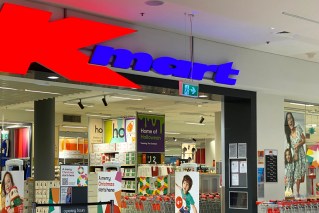
Alarm about the growing adoption of the camera-equipped tech has been fuelled as cheaper versions have emerged in the range of retailers such as Kmart, increasing concerns about privacy and people being filmed without their consent.
Kmart’s Anko version of the glasses costs just $89, compared to similar products offered by Meta and Ray-Ban, which start at $337.
“Running on HeyCyan software, [the Anko glasses] have embedded cameras to analyse and record photos and videos of what the wearer sees, microphones to record sound, and speakers to enable the wearer to take phone calls and listen to podcasts or music,” Kimberlee Weatherall and Milica Stilinovic wrote in The Conversation recently.
“Images, video and sound are recorded onto memory in the device, but can be downloaded into a connected app on the wearer’s phone, enabling recorded content to be edited, shared and uploaded to websites.”
Brisbane City Council recently banned the use of smart glasses and other wearable technology to secretly record people at all public pools.
The eSafety Commissioner, meanwhile, wants extra protections, including the default blurring of the faces of those being filmed unless they have given consent and clear indications of when glasses are recording video.
The Greens want a year-long ban on importing the tech until stricter laws and regulations can be negotiated.
This week, Attorney-General Michelle Rowland unveiled draft legislation designed to bolster privacy protections, as well as address risks related to artificial intelligence and wearable tech.
But, while acknowledging community concerns about potential harmful use of smart glasses, Rowland said the Albanese government had no plans to ban their importation.
“We’re not having a regulatory environment that’s playing Whac-A-Mole every time a device or a technology is developed that could be used in harmful ways,” she told the ABC.
Rowland acknowledged the importance of the smart glasses as a tool for people with a disability.
“We’re neglecting the very legitimate reasons for which some people in our society are using these devices,” she told the ABC.
“They include people who are vision-impaired, for whom this has been a real game changer.”
Vision Australia chief mission officer Chris Hastings said products such as smart glasses had made it much easier for people with sight impairments to participate in daily life.
Hastings, who is totally blind, described a previously laborious process of unlocking his phone, typing in codes and opening the correct app with the help of accessibility features to do something as simple as reading a menu. Now, he uses a couple of hands-free steps on his glasses.
Accessibility for people like him outweighed any potential risks when considering a blanket ban, he said.
“There have been people that can use phones irresponsibly and do the wrong thing,” he said.
Weatherall and Stilinovic point out that the potential risks of smart glasses are myriad.
“The risk receiving the most attention is the capability of these glasses to covertly film bystanders and unsuspecting women in public for social media content, potentially leading to a rise in harassment, voyeurism and stalking in public for social media content,” they write.
“Uploaded videos compound the abuse. And there’s the potential harm from distraction if the wearable tech ‘augments’ the wearer’s view with digital information in their line of sight, creating a very real potential for physical risks such as falls, trips and car accidents.
“Companies and employers should also consider the risks, for example, that smart glasses will record confidential information, trade secrets or bank account details.
University of Technology Sydney policy specialist Sarah Sacher said while a long import ban was unlikely to be attainable, a shorter one would give the government and disability community time to talk properly and consider options.
“Right now, we know these glasses aren’t safe. There could be a temporary measure to keep them off the market until we’ve got the right protections in place,” she said.
Sacher was particularly concerned about cheap dupes of smart glasses, which could open a “Pandora’s box” of misuse.
“There are different kinds of data usage and safeguards – or even no safeguards – in various dupes that make it harder and harder to keep a handle on [how they are being used],” she said.
She also hoped the government would better address technologies like facial recognition to ensure Australians’ public safety.
Smart glasses are not mentioned at length in the government’s draft privacy legislation, which targets AI and increased control of personal identity information. Supporting documents suggest crackdowns on misuse should occur at a local level.
“We need to make sure that we strike that right balance whilst keeping our privacy laws technology neutral and also principles based to account for other inventions that we will see in the future,” Rowland said.
-with agencies