mRNA technology beat COVID-19, can it do the same for pancreatic cancer?

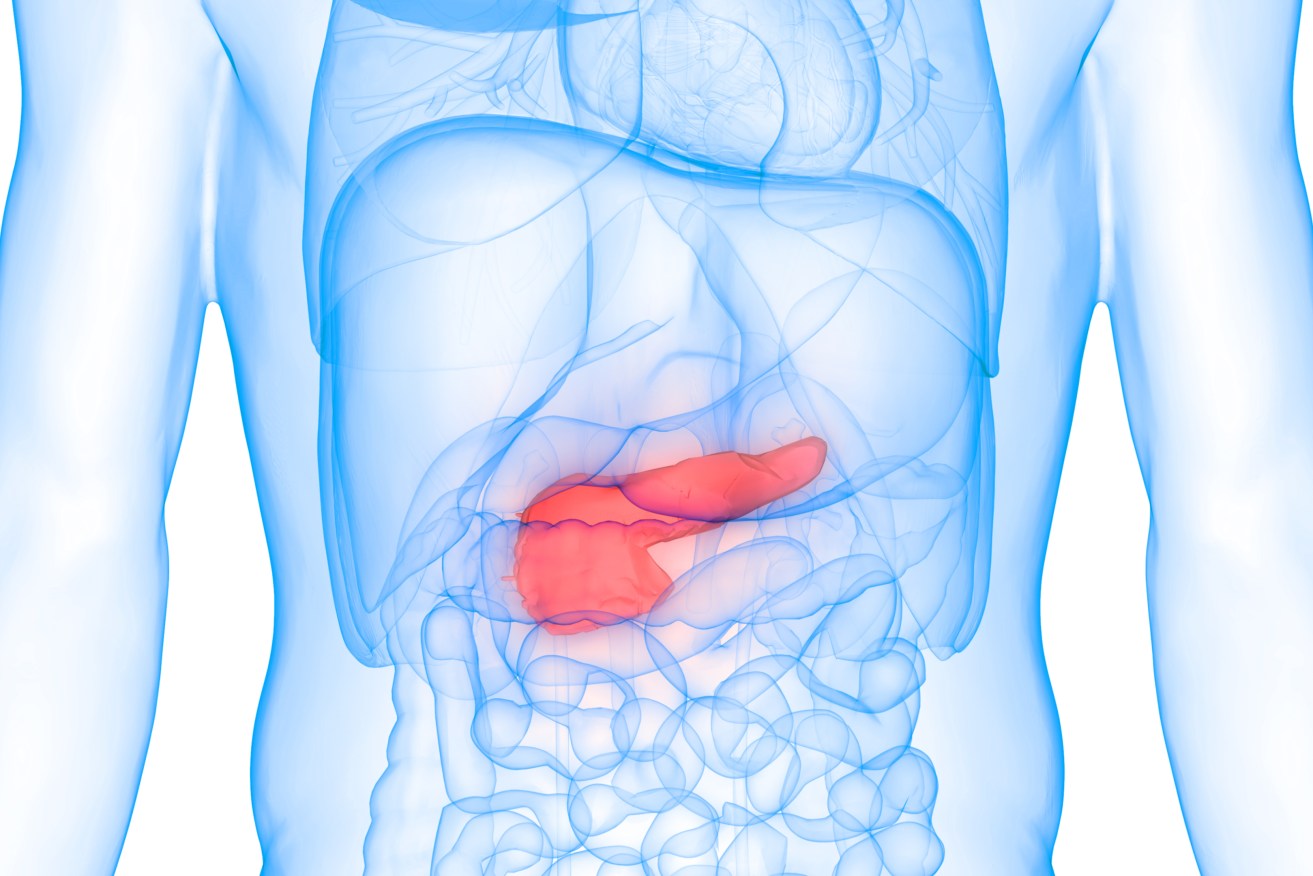
Half the pancreatic cancer patients in a new clinical trial were alive and cancer free after 18 months. Photo: Getty
For many people, messenger RNA technology seemed to appear magically at a time of global desperation. Namely, the COVID-19 pandemic.
The mRNA vaccines, notably from Pfizer-BioNTech and Moderna, didn’t put an end to COVID-19, but they slowed the spread and made it, overall, a less serious, less deadly illness.
Less well known is that, for about a decade, scientists have been trialling mRNA vaccines as a treatment for cancer.
It was the promising results in cancer research by Pfizer-BioNTech and Moderna that prompted the companies to investigate mRNA as a potential vaccine strategy against COVID-19.
Now, a new study suggests that a personalised mRNA vaccine could be the answer to treating one of the deadliest, most challenging cancers, that of the pancreas.
Half the participants were still alive
Ten years ago, US doctors wrote a despairing paper that began:
“No common malignancy is as rapidly and inevitably fatal as pancreatic ductal adenocarcinoma (PDA). This grim fact has driven substantial research efforts into this disease in recent decades. Unfortunately, the investment has yet to result in a meaningful increase in five-year survival.”
Pancreatic ductal adenocarcinoma is the most common form of pancreatic cancer. A decade on, the grim prognosis hasn’t changed.
Pancreatic cancer is often diagnosed when the disease is already well progressed, and it’s highly successful in evading the body’s defences.
Some people live for many years
However, some people with pancreatic cancer survive many years after diagnosis.
In these patients, their immune system keeps the cancer from returning.
Now, a small study has found that personalised mRNA vaccines can train the immune system to kill pancreatic cancer cells.
Even better, half of the participants who were given a vaccine in a Phase I clinical trial were still alive and free of pancreatic cancer 18 months later.
More than half of people with pancreatic cancer usually die within three months.
How does it work?
Dr Vinod P. Balachandran is a surgeon and researcher with the Memorial Sloan Kettering Cancer Centre in New York.
He said the key to these vaccines “appears to be proteins in the pancreatic tumours, called neo-antigens, which alert the immune system to keep the cancer at bay”.
The mRNA vaccines are personalised, meaning they’re custom-made for every person.
The hope was that “the vaccine will stimulate the production of certain immune cells, called T cells, that recognise pancreatic cancer cells”.
This could “reduce the risk of the cancer returning after the main tumour was removed by surgery”.
And this is what appears to have happened in a trial of 16 people. Half of those gained no benefit. In the other, happier half, “the vaccines activated T cells that recognised the patient’s own pancreatic cancers”.
These patients also showed “delayed recurrence of their pancreatic cancers, suggesting the T cells activated by the vaccines may be having the desired effect to keep pancreatic cancers in check”.
The preliminary results of the trial were presented in June at the American Society of Clinical Oncology conference in Chicago.
The study is being published this week.