Why older people are handling lockdown better than youngsters

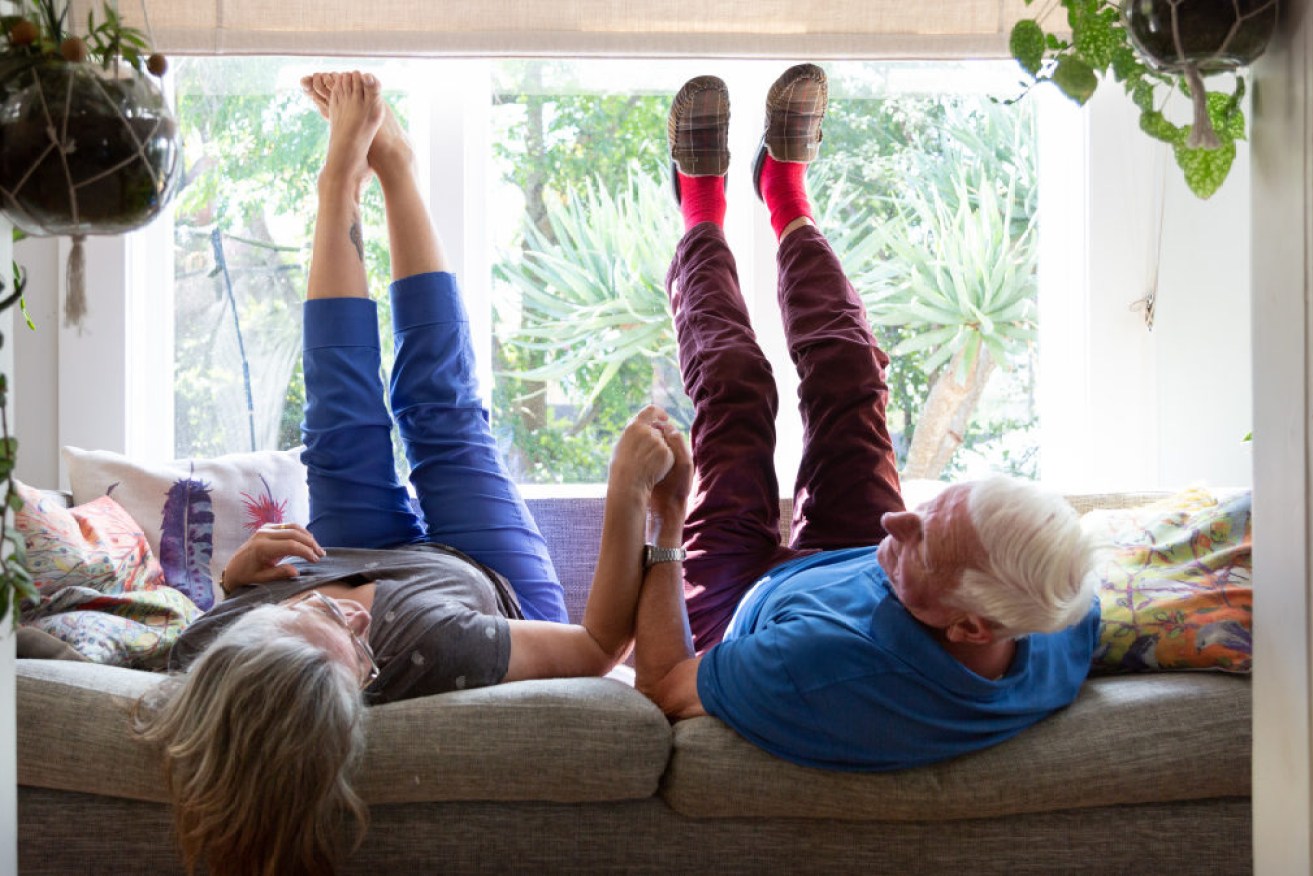
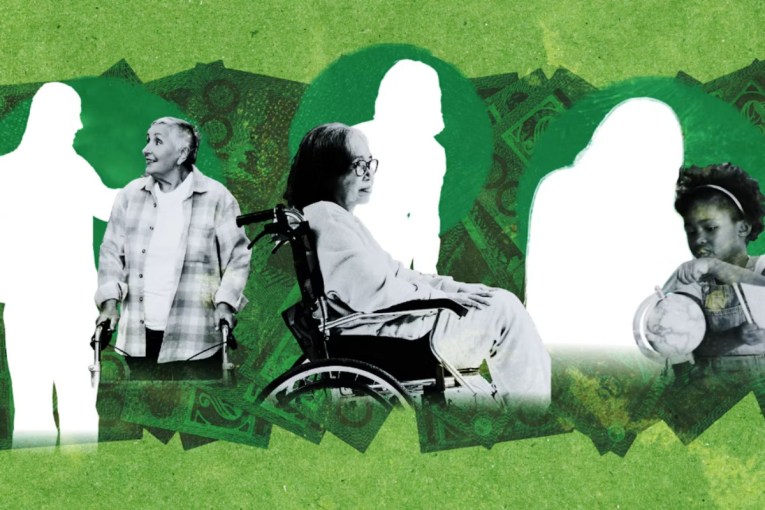
Older people are buoyed by perspective in a crisis. Things might be bad, but it's not the end of the world. Photo: Getty
At the end of April last year – about six weeks into the first lockdowns – Professor Viviana Wuthrich contacted dozens of people she had treated for anxiety and depression disorders. She wanted to know how they were coping.
These patients were older people and at the time, during the first wave, were at the most risk of dying from COVID-19.
“We thought the most frightened people would be older people,” said Professor Wuthrich, Director of Macquarie University’s Centre for Ageing, Cognition and Wellbeing.
And for a group of people who had, five years before, suffered a mental disorder, Professor Wuthrich expected to see a relapse of symptoms.
But this wasn’t the case
“For the people we got in touch with, there had been no change in the levels of their anxiety and depression,” she said.
“They were able to sustain the better mental health they had achieved in treatment and they hadn’t relapsed in the face of this crisis.”

Dr Viviana Wuthrich says that age is associated with greater resilience in a crisis.
Since then, Professor Wuthrich has co-authored a paper that looked more broadly at how resilient older Australians had been during lockdowns. It’s findings were in line with studies carried out overseas: despite a common burden of loneliness in lockdown, older people have coped well overall.
“There’s been a number of big surveys around the world, comparing older mental health with younger people’s mental health – and consistently we’re seeing that older people aren’t doing so badly from a mental health point of view,” said Professor Wuthrich.
How can this be explained?
The findings aren’t entirely surprising. There’s a lot of good evidence that “age is associated with greater psychological resilience in the face of crises”.
But even outside of a crisis, as a matter of course, as you get older your mental health improves,” said Professor Wuthrich.
“There is more life satisfaction and you’re less likely to have depression and anxiety as you age. We’re not entirely sure why.”
The perspective that comes with age seems to play a significant role.
“You’re able to reach back and look at the other crap things that happened in life and recognise that you got through them – that this will pass and you’ll get through it,” she said.
“Older people don’t see things as catastrophically negative as younger people tend to do. Things might be bad, but it’s not the end of the world.”
The research also found that people who maintained contact with grandchildren, and were making use of technology, reported experiencing better mental health during lockdown.
“We found that living with someone else, rather than living alone, was also protective,” she said.
This isn’t to say that COVID-19 hasn’t been stressful for older people.
The researchers found that one third of older adults experienced depression, and one in five “experienced elevated anxiety and/or psychological distress during lockdown”.
Overall, the researchers found that many older adults reported low mood and worry – “but it wasn’t as severe as might be expected, and in many cases older adults were coping well”.