‘Cracking down hard’: Aussies’ TV streaming habits prompt warning

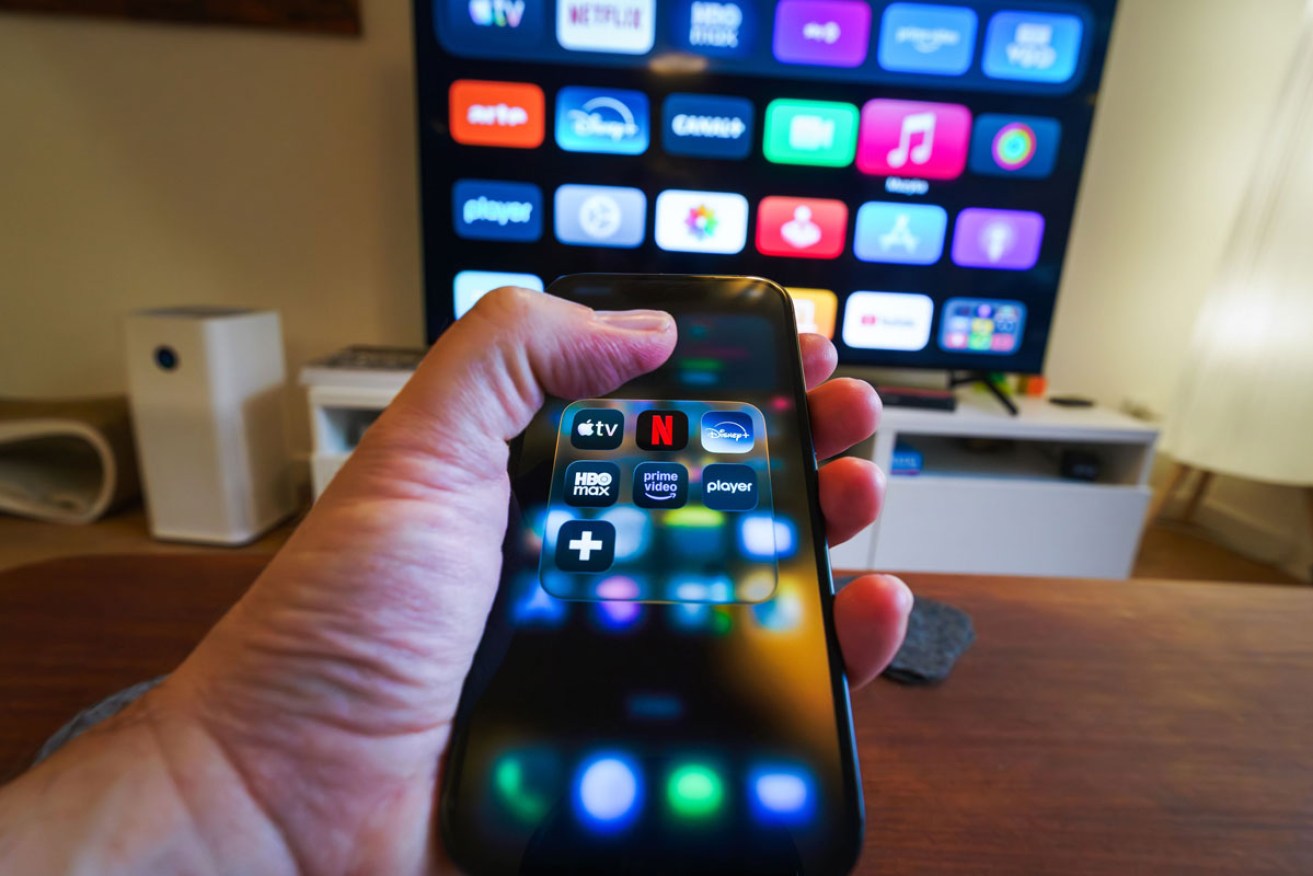
Many Australians pay subscriptions for multiple streaming services. Photo: Pexels
Many Australians now watch paid streaming services more than free-to-air TV, but soaring subscriptions and an increasingly fragmented market are encouraging habits that can prove costly.
And as costs go up and more streamers enter the market, online piracy is again becoming an issue in Australia.
“Streaming was once the budget-friendly alternative, but those days are numbered,” Canstar’s Tara Donnelly said, as the comparison website released research into our viewing habits.
“Between new ad-supported tiers, discontinued ad-free plans, and premium prices creeping even higher, Australians need to actively review what they’re paying for or risk quietly over-spending.”
Canstar’s survey of more than 8000 Australians found that 58 per cent now watch paid streaming services more than free-to-air. Seventy per cent of people pay for multiple platforms – including 11 per cent who subscribe to five or more.
Perhaps not surprisingly, Netflix remains the most popular streamer, accounting for a whopping 78 per cent of subscriptions, followed by Amazon Prime Video (42 per cent), Disney+ (32 per cent), Stan (24 per cent) and Paramount+ (19 per cent).
Overall, Australians’ average monthly spend on streaming subscriptions increased $3 a month to $44 compared with the previous year, according to the research, which found that older generations generally spent more on average than younger viewers.
Most streaming platforms specify that accounts are for personal use within a single household, but 29 per cent of the survey respondents admitted sharing their log-in details with others and 19 per cent said they used others’ accounts for streaming.
Donnelly said the numbers sharing streaming log-ins “jumps dramatically” for younger generations, with gen-Zers the worst offenders.
“While it might feel like a harmless way to cut costs, streaming platforms are cracking down hard, and sharing outside your household could leave you locked out or facing an extra fee,” she warned.
Just last month, Netflix changed its rule to require each profile to have its own email address, as part of efforts to ensure subscribers don’t share passwords with those outside their household unless they’ve paid for an extra member. And yes, they apparently can tell where you live.
Other streamers have taken similar action, which comes at the same time that they hike prices and/or force viewers to pay more for ad-free viewing.
@twobrokechicks_ PSA: Netflix subscriptions are getting more expensive and it’s a good opportunity to check what you’re paying for subscriptions. #costofliving #money #australia #netflix #moneytip ♬ original sound – Sal & Al ✰ TWO BROKE CHICKS
Netflix upped prices by $3 a month last year (its premium plan now costs $28.99), Disney+ and Paramount+ have both increased prices by up to $4 per month, and Stan and Foxtel are set to change their pricing structures in the coming months.
Enter the pirates
Sharing passwords is not the only way some viewers seek to avoid paying for subscriptions. Rising streaming costs are also pushing people to alternative streaming apps, some of which offer access to pirated content, according to Victoria University associate professor of screen media Marc C-Scott.
A 2023 report released by Creative Content Australia found 18 per cent of Australians admitted to watching pirated films, TV shows and live sports, with the prime offenders being young viewers seeking out new movies and television programs.
Although that figure may seem high, it had actually been falling since the introduction of Netflix made legal content more readily accessible and – initially, at least – more affordable.
“But the streaming landscape has since shifted dramatically,” C-Scott wrote in a recent article on The Conversation.
“Libraries are now fragmented across competing services, with films and series jumping between platforms as licensing agreements change.
“Viewers have to maintain several subscriptions to legally access a broad range of content. Many can’t afford this.”
This has helped fuel the popularity of free “media aggregation” platforms, some of which are used by third-party distributors to supply copyrighted material.
“The apps themselves are not inherently illegal,” said C-Scott.
“However, using them to access copyrighted content through torrent streams will generally constitute copyright infringement under Australian law.”
Creative Content Australia warns that illegal streaming doesn’t only raise ethical concerns but also exposes users to cyber security threats such as hacking and financial fraud – risks that were highlighted in a new report released last month by the Coalition Against Piracy.
“The message to consumers is straightforward: If a streaming service looks too good to be true, it probably is,” CAP general manager Matthew Cheetham said.
“The financial savings offered by piracy services can come at a far greater cost in terms of privacy, security and personal risk.”
Bigger isn’t necessarily better
When it comes to legitimate streaming services, meanwhile, it was so-called “niche powerhouse” Britbox that for the third year running claimed Canstar’s most satisfied customers award for pay TV and streaming services.
The BBC-owned service – which streams classic and newly released films and TV shows from the UK – earned top marks for value for money, choice of content and ease of use, coming just ahead of reality-TV streamer hayu, Netflix and Amazon Prime Video.