King faces ‘biggest risk of his reign’, historian warns

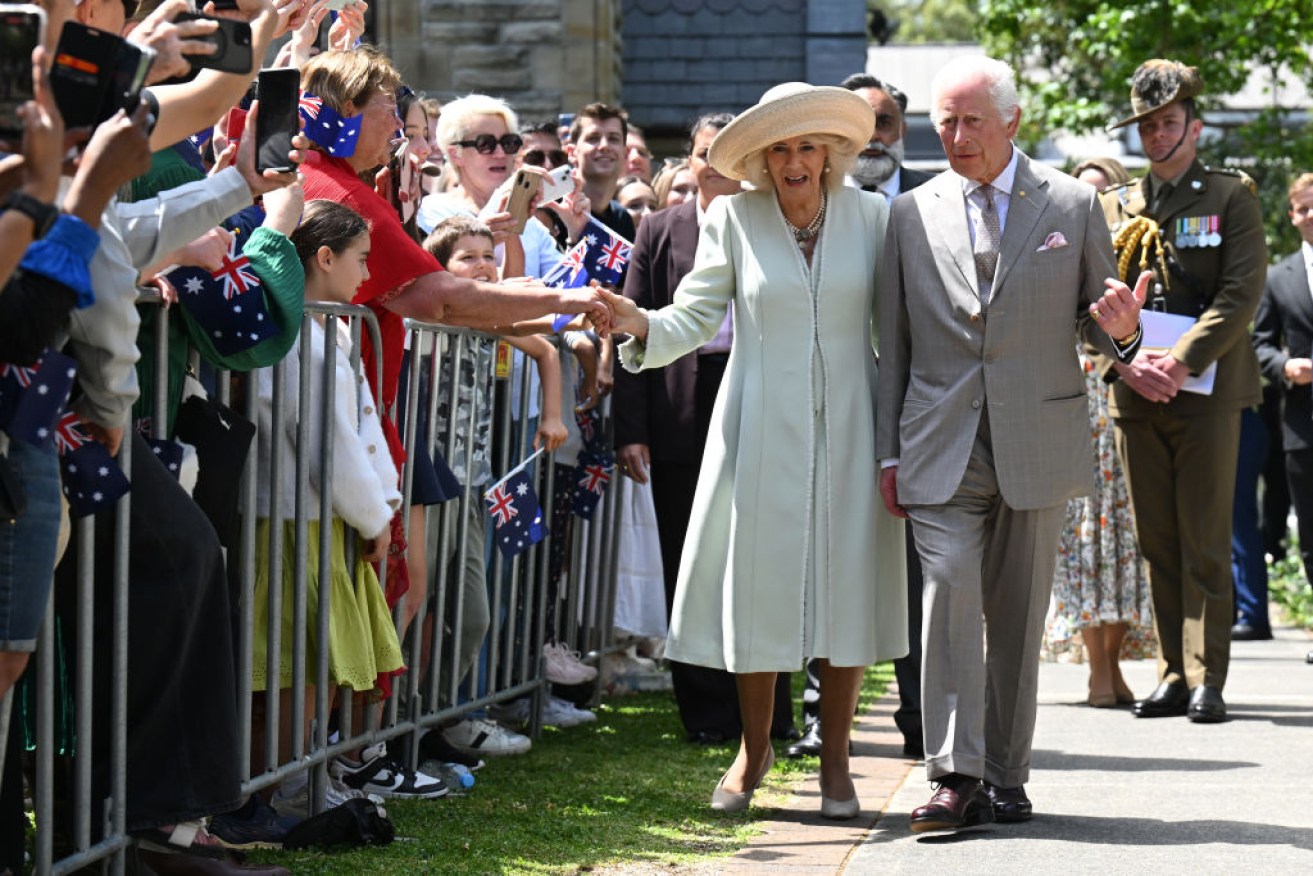
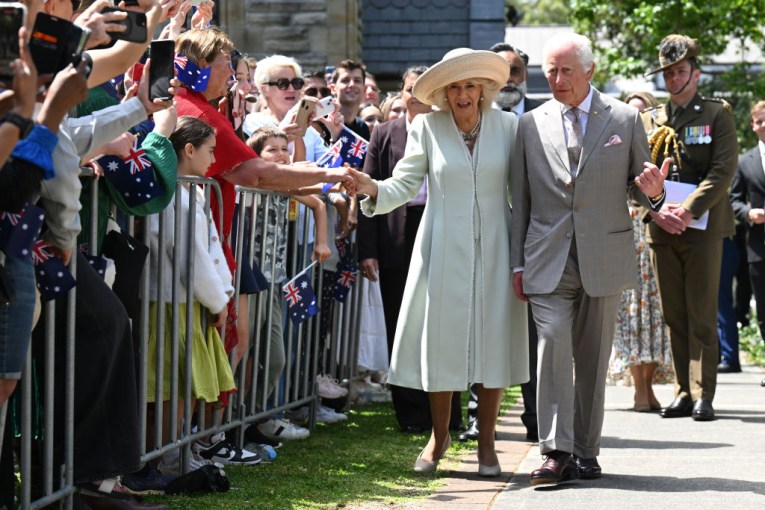
The King and Queen in Sydney two years ago – they will be hoping for a similar welcome in the Caribbean. Photo: Getty
The King is about to embark on the “biggest risk of his reign”, one royal historian warns.
The King and Queen will soon depart for a nine-day tour of the Caribbean that begins tomorrow (Australian time) – taking in the Bahamas, Guyana and then Antigua and Barbuda for the Commonwealth Heads of Government Meeting.
The trip comes amid growing clamour from Caribbean and African nations for Britain and other colonial powers to pay reparations for their involvement in slavery, with the issue likely to be prominent at CHOGM.
It will put him at the heart of debate over the payment of reparations – compensation from countries involved in the slave trade – as well as provide further fuel for questions about whether the King should apologise for Britain’s role in what he has previously described as an “appalling atrocity” that leaves an “indelible stain” on history.
“This is the biggest risk of his reign so far with so much just outside of his control,” author and historian Sir Anthony Seldon told the BBC.
“Questions about slavery, reparations and apologies mean the moral integrity of the monarchy is being questioned.”
The British government has ruled out paying any reparations though the King, who remains the head of state of several Caribbean nations including both the Bahamas and Antigua and Barbuda, has previously expressed his sorrow about slavery.
“There are important discussions taking place in various fora about colonial legacy and the intergenerational impact of the transatlantic trade in enslaved persons,” a Buckingham Palace spokesperson said earlier this month, adding the visit came at an important time in the relationship between Britain and Caribbean nations.
“The visit program will therefore not shy away from ‘the darkest days of our past’, as His Majesty has described them, but – in keeping with the wishes of our host nations – it will principally be oriented to the vibrant present and promising future of each country.”
From the 15th to the 19th century, at least 12.5 million Africans were abducted and sold into slavery by European merchants. Britain was responsible for transporting an estimated 3.2 million people, making it the second most active European nation after Portugal.
The King, who is head of the Commonwealth group of 56 nations – mainly former British colonies – encompassing some 2.7 billion people, has backed research into the British monarchy’s own historical links to the trade.
He will make three significant speeches during the Caribbean trip and will follow government advice not to issue an official apology for Britain’s role in the transatlantic slave trade.
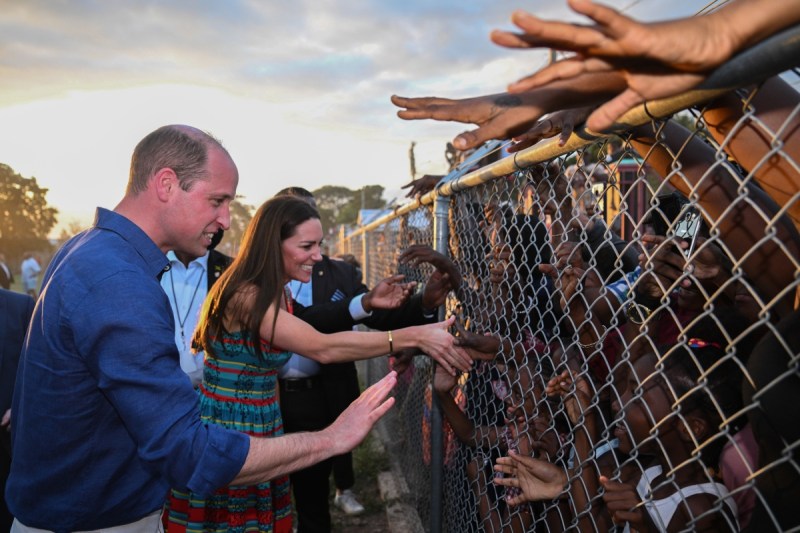
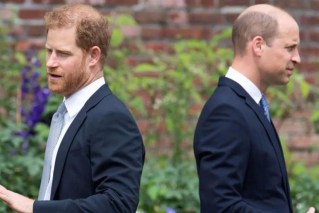
William and Kate copped criticism for this encounter in Jamaica. Photo: Getty
His trip comes only a few years after his son Prince William and wife Kate, then the Duke and Duchess of Cambridge, drew criticism for their own Caribbean tour.
Images from the 2022 visit of Kate and William reaching out to touch the outstretched hands of Jamaican children through a wire fence looked clumsy while engagements designed as tributes to past royal visits appeared outdated. Protests also caused the cancellation of a small part of the schedule.
Everything will have been done to avoid those kinds of missteps for the King’s own visit.
Seldon suggested the monarch’s approach to diplomacy could help make the trip a success.
“If he can deal with the delicate nature of this trip for him personally, for the British monarchy, and the future of the Commonwealth, it could be an enormous success,” Seldon told the BBC.
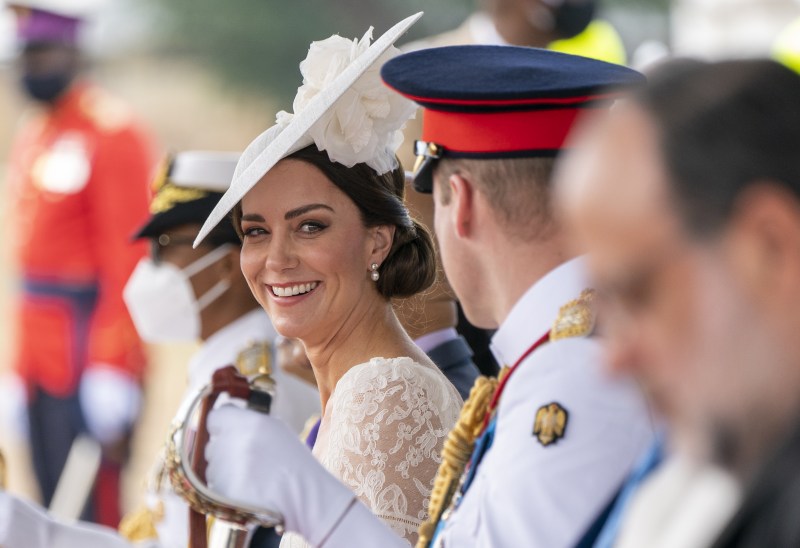
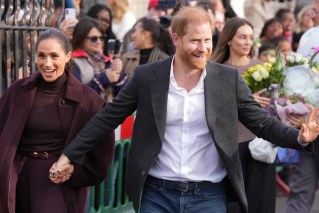
Some of William and Kate’s visits also appeared outdate. Photo: AAP
Former British foreign secretary David Lammy, who has strong family ties to the Caribbean, has accompanied the King on several overseas trips.
“He is our head of state. He is amongst some of the most recognisable figures in the world. For a small country like Guyana, the validation of a state visit is huge,” he told the BBC.
Lammy’s father came to Britain from what was then British Guiana and he also has relatives in Antigua and Barbuda.
“My mother would forever recall the [late] queen’s visit in 1996,” he said.
But Lammy also recognised the potential for issues to arise.
“Knowing Guyana, Antigua and Barbuda as well as I do, he will be overwhelmingly received positively,” he said.
“But these are lively democracies in which of course there will be some dissent.”
Just last month, the Jamaican government formally asked the monarch to seek legal advice on whether Britain should pay reparations and said it was “encouraged” by the engagement of Buckingham Palace.
“It is important to note here the work His Majesty himself has done over many years both to acknowledge the wrongs of the past and to find creative ways to right inequalities that endure,” the palace spokesperson said.
“As you would therefore expect, opportunities will be found during the visit to reflect and renew his personal, wholehearted, and continuing commitment to that process.”
In February, Commonwealth Secretary-General Shirley Botchwey told Reuters she expected its members to make progress towards beginning negotiations on reparations.
-with AAP