‘Like wildfire’: The cake-shed craze sweeping across Britain

Source: @whatdanicooks / TikTok
The British have gone mad for cake sheds. So much so that hundreds have sprung up across the country over the past couple of years, with some bakers pocketing up to $2000 a week.
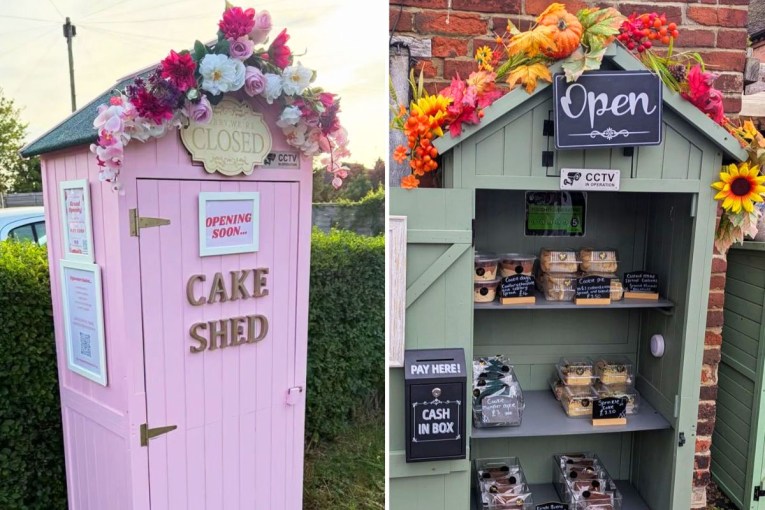
A cake shed is like a fancy version of what Aussies call a roadside stall – but with a much wider range of delectable sweet treats.
Think classics like lemon drizzle cake, Bakewell tarts and Victoria sponge, sitting alongside inventions such as Biscoff cream slice, Kinder cookie pie and Terry’s Chocolate Orange muffins.
The “sheds” proliferating in the British countryside are really more colourful vertical cupboards, often painted in pretty pastels with names like The Last Crumb and The Little Bakehouse.
Social media platforms TikTok, Instagram and Facebook are credited with helping fuel the craze, while a trend towards all things nostalgic and the popularity of TV show The Great British Bake-Off have encouraged more home bakers to explore their creative – and entrepreneurial – side.
“More and more cake sheds have started popping up and social media has really helped them spread like wildfire,” Michelle Percy, co-founder of cake shed directory website CakeSheds.com, told CNN last month.
“They’re such a lovely thing to discover and incredibly easy to share online, so one person finds a cake shed, posts about it and suddenly lots of other people know about it.”
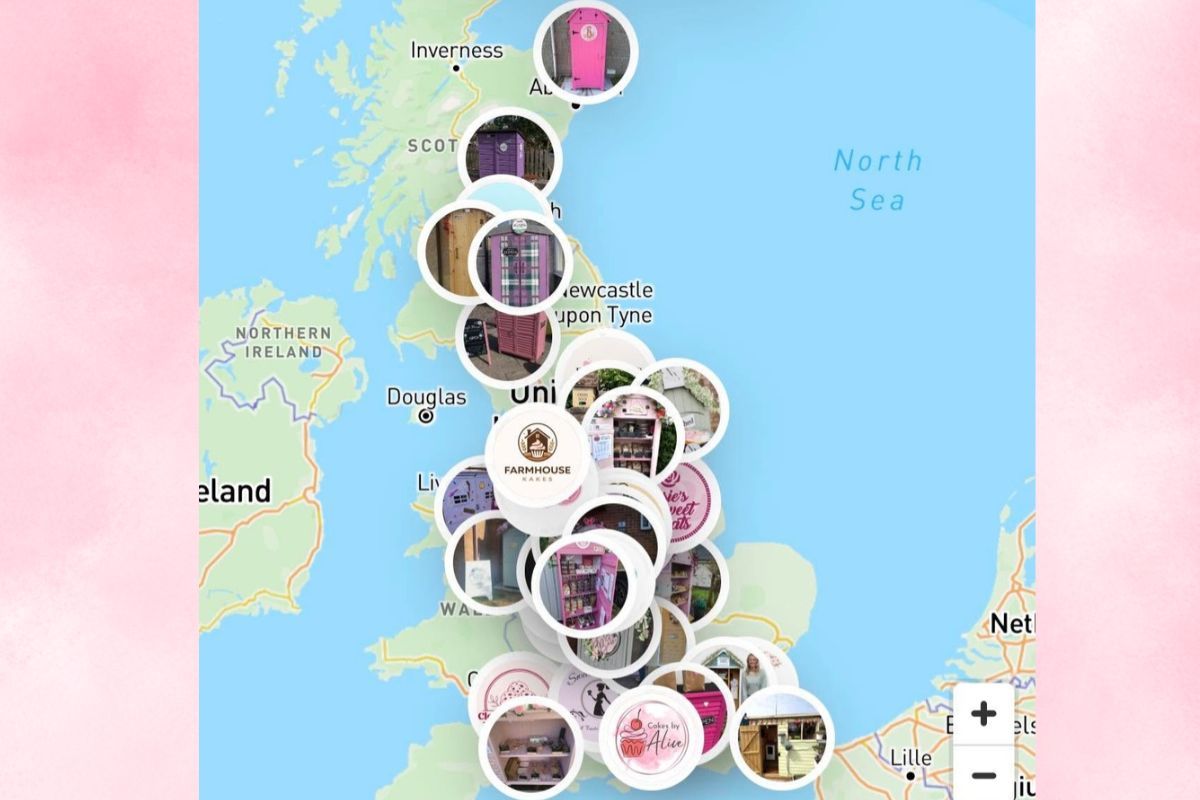
Cake sheds can be found right across Britain. Map: CakeSheds.com
Michelle and Mark Percy set up their website seven months ago in response to Britain’s growing obsession with cake sheds. It now lists more than 400 sheds.
Facebook group The Cake Shed Community, established a year ago to support bakers who own a cake shed or are looking to set one up, has about 4700 members, and new sheds are being launched every week on the Cake Sheds and Honesty Boxes UK page.
While the sheds may ooze a homegrown kind of charm and some still use an honesty box system, many others take payment by card or QR code and even have CCTV cameras installed.
It has become such big business that CakeSheds recently joined with a new partner to help bakers with admin tasks such as managing inquiries, upfront cake orders and advance payments.
Danielle Edgington’s Lavender Cake Shed in Birmingham sells about £500 ($A960) to £1000 ($A1924) worth of cakes each week. It’s so popular that she quit her catering manager job to run the seven-day-a-week operation.
“It’s taken over my life,” Edginton told the BBC, explaining that a lot of the interest comes via her TikTok account, with many customers travelling to visit the cake shed.
“To see a queue out there is just unbelievable. It’s quite humbling, really.”
The Lavender Cake Shed, which is next to her front door, has five shelves stuffed with goodies that during Halloween included “witches brew Dubai pistachio brownies” and “bloody jammy dodger brownies”.
Devon resident Michelle Evans’ Wyns Bakes cake shed sits on a wall at the edge of a friend’s garden near a popular seaside walking trail. She bakes around 150 cake portions and sweets each weekend – from banana cake to bourbon rocky road – and usually sells out.
Several other bakers told CNN that The Great British Bake-Off had inspired their cake shed endeavours.
“I have always followed The Great British Bake Off, and I just thought, why not pick one of the bakes they do on the show each week and pop it in the shed?” said Emma Sawyers, who opened her Norfolk cake shed in May.
“They sell out every week and I love the challenge.”
But it’s not all sugar and spice and all things nice.
An article in The Times earlier this year revealed a row had broken out in Nottinghamshire when a local council wanted to force cake-shed owners to get a street trader’s licence, even though many sheds are on private property.
Journalist Harry Wallop made it clear whose side he was on, writing:
“Councils have spotted a craze, they’ve calculated that some residents are making a bit of money and their default position isn’t satisfaction that entrepreneurs are thriving in their area. No, it’s someone is making a profit, let’s tax and regulate them.”
Wallop pointed out that cake sheds already have to be registered as food businesses and ensure the items they sell are safe.
Similar regulations exist in Australia, where people operating roadside stalls have to meet food safety requirements and, in many council areas, also have to apply for a permit to sell goods in a public place like the roadside.
Sadly, cake sheds haven’t taken off in quite the same way here as they have in the UK. However, one directory website recently suggested that “roadside bakery stalls are having a moment” in Australia, too, and a few of the new ones popping up across the country appear to be influenced by the vibrant British offerings.
Sweet-tooths can only hope the trend follows the UK pattern and grows to shed-like proportions.