Australian cities ranked among world’s most liveable in 2026 – but which is best?

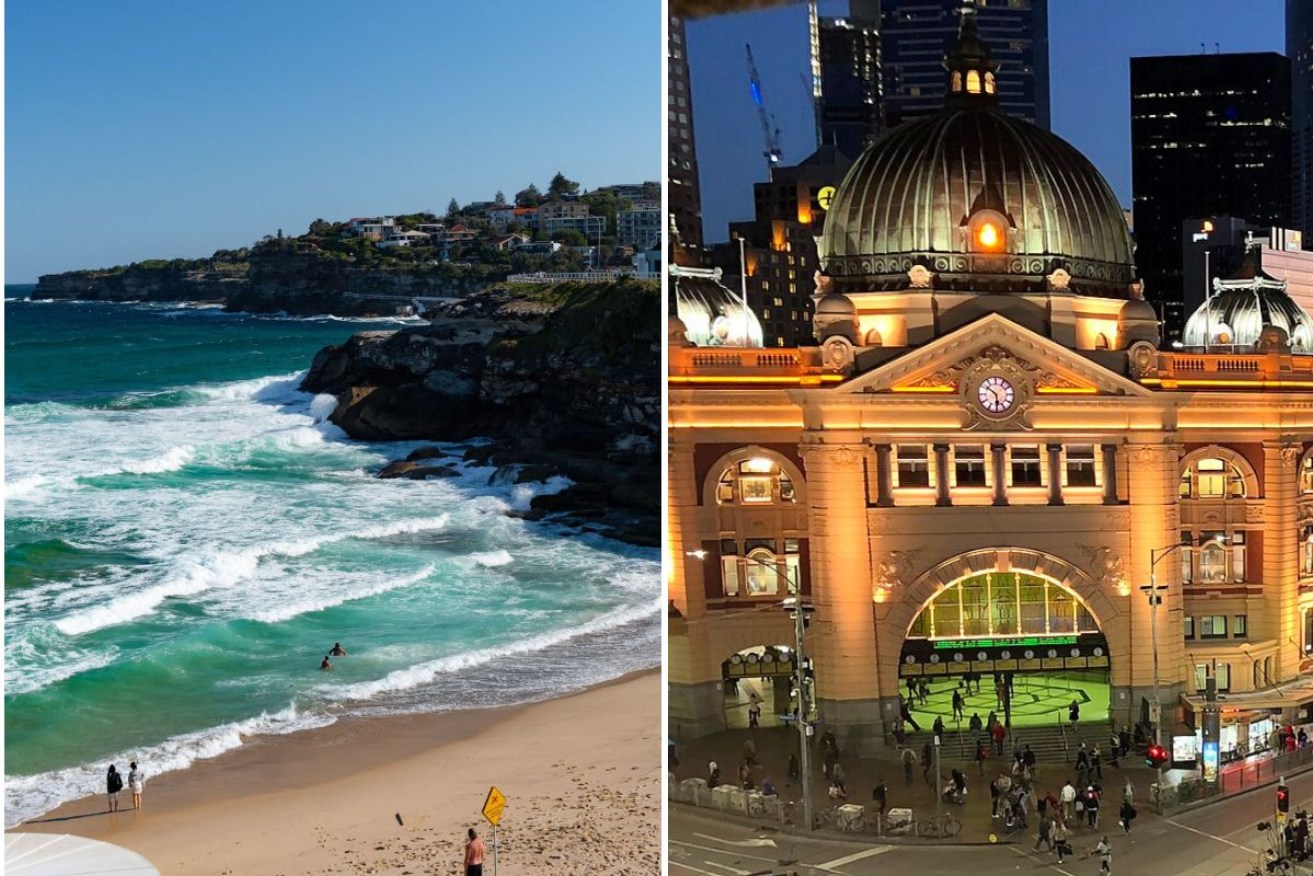
Sydney came fourth in the 2026 Global Liveability Index, while Melbourne was ranked third. Photos: Pexels / Wikimedia Commons
Two Australian cities have been ranked in the top five most liveable cities in the world in 2026, with Melbourne pipping its eastern states rival Sydney by one spot.
The Global Liveability Index saw the Victorian capital move from fourth overall in 2025 to third this year in a list of 173 countries – behind only Denmark’s Copenhagen, which is celebrating its second year in a row at the top, and Austria’s Vienna.
Sydney came fourth (two spots higher than last year), while Adelaide was eighth on the list, which considers factors such as stability, culture, healthcare, environment and infrastructure.
“The concept of liveability is simple: It assesses which locations around the world provide the best or the worst living conditions,” says the Economist Intelligence Unit (EIS), which publishes the list annually.
Melbourne held the title of most liveable city for several years before both it and Sydney took a hit in the rankings during the 2020 Covid lockdown. Both have moved back up since what the EIS described as a “shift towards normality” from 2023, but without reaching the exalted top spot.
While the latest results will no doubt offer Melburnians fresh ammunition in their famous rivalry with their Emerald City counterparts, there is actually little difference in their scores across the five broad categories assessed when assigning each city a rating of “relative comfort”.
Both scored 97 out of 100 overall for liveability, full points for healthcare and education, 95 for stability and 96 for infrastructure.
However, Melbourne scored 96 points – two more than Sydney – for culture and environment, which considers factors such as temperature/humidity, “discomfort of climate to travellers”, sporting and cultural availability, food and drink, and consumer services.
The Victorian city is on a roll, after earlier this year becoming the first Australian city to be named best in the world in Time Out’s annual 50 top cities (for the record, Sydney came in at 21), and making the top 10 in the same publication’s “Best Cities for Food” rankings released last month.
After the Global Liveability Index was published this week, the BBC asked residents of the top five cities what they liked about where they lived and where they take visitors for a taste of local life.
When it came to Melbourne, those interviewed mentioned the city’s iconic laneways and street art, as well as features such as the National Gallery of Victoria, the State Library’s domed reading room, and sprawling Princes Park.
“Melbourne is a big city that somehow behaves like a village,” Anne Marie Lennon, general manager of the Crowne Plaza Carlton, told the broadcaster.
“People here are genuinely curious about you. And then there’s the culture, the food, the music, the fashion, the art. Every suburb has its own vibe and identity.”
Sydneysiders praised their city’s “easy access to nature, multicultural neighbourhoods and outdoor lifestyle”, specifically mentioning places such as Bondi, Tamarama Beach, the harbour ferries, and the nearby Blue Mountains.
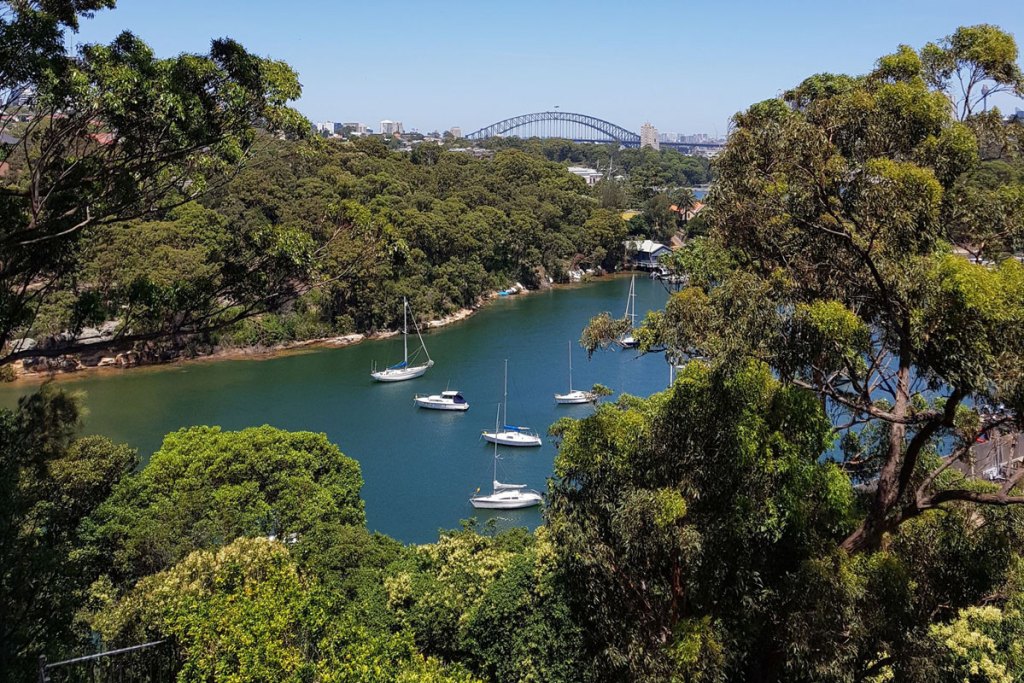
Sydneysiders enjoy having easy access to nature. Photo: Pexels
Conde Nast Traveller offered its own take on the rankings, saying the “effortlessly cool” city of Melbourne has “dynamic energy that woos both tourists and long-term residents alike” (and “some of the best coffee in the world”), while Sydney offered “breathtaking natural beauty” and was “brimming with culture”.
The travel website also had kind words for Adelaide – which lagged the larger Australian cities only in its category score for culture and environment – praising the SA capital’s “world-class vineyards” and easily accessible “gorgeous beaches and shorelines”.
“No doubt those two beloved attractions helped this city on the south coast jump into eighth place after being ranked ninth on last year’s list,” it suggested.
Overall winners and losers
Perhaps not surprisingly, the top 10 in the Global Liveability Index was dominated by cities in wealthy countries – with Zurich, Geneva, Osaka, Vancouver and Tokyo rounding out the list – while the bottom 10 cities have nearly all been affected by war and poverty.
“Western Europe is still the strongest region for liveability, but its average score has stagnated in the 2026 index, while Asia’s has risen,” the EIS noted in its report summarising the results.
“There are now nine Asian cities in the top 20, and seven European cities.”
Many Chinese cities climbed up the rankings, mainly due to improved healthcare, while falling crime rates and reduced terror attack risk also saw New York improve.
Damascus, the capital of war-torn Syria, remained at the bottom of the overall liveability rankings at 173 – a spot it has held for the past 13 years – with Libya’s Tripoli and the Bangladeshi city of Dhaka at 172 and 171, respectively.
The Ukrainian city of Kyiv fell further to 166th spot, while a so-called “new entrant” in the bottom 10 was Tehran, due to the war that began with US and Israeli strikes on Iran in February this year.
The instability across the Gulf region caused by the Iran war also saw big falls in the liveability ranking of countries such as Muscat in Oman, Kuwait City, Doha in Qatar, and Dubai and Abu Dhabi in the United Arab Emirates.