Stem cell transplant puts woman with type 1 diabetes into remission

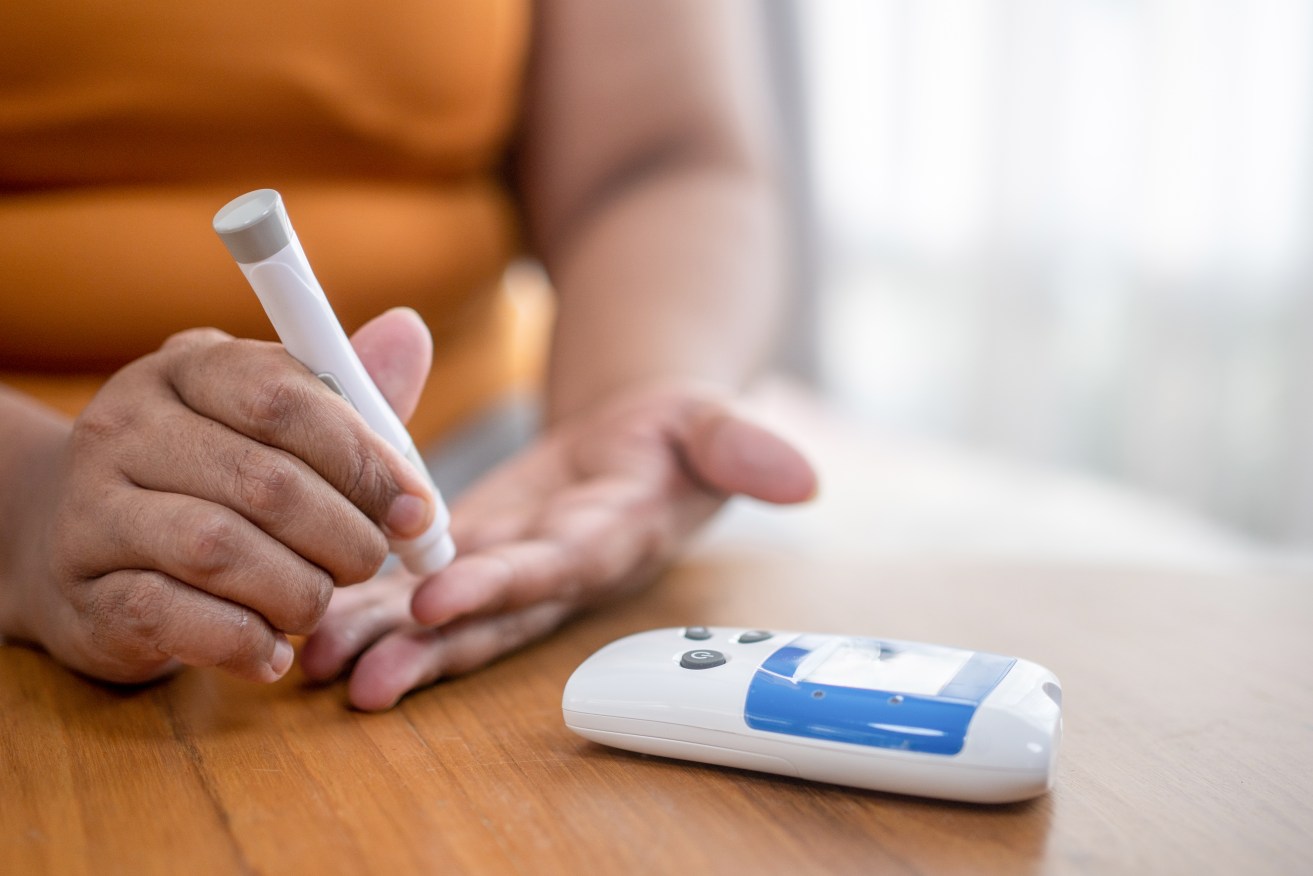
Type 1 diabetes was once a guaranteed early death. Could a cure really be at hand? Photo: Getty
Chinese scientists have put a young woman’s type 1 diabetes into full remission using stem cell treatment.
Much of the coverage is calling the event a ‘cure’.
It’s too early to tell. But this is definitely a major breakthrough with a disease that once guaranteed an early death.
The 25-year-old woman’s condition was highly unstable and dangerous before treatment. She suffered aggressive spikes and drops in blood sugar, and required large amounts of insulin.
The procedure that changed her life occurred in June 2023.
In less than three months after receiving treatment, her body was producing its own insulin.
It continues to produces insulin that is within the normal healthy range about 98 per cent of the time.
In an interview published a week ago, the woman told the journal Nature that she now eats sugar.
“I enjoy eating everything – especially hotpot,” said the woman who had asked to remain anonymous.
The back story
Type 1 diabetes is an autoimmune condition where the body’s immune system destroys the beta cells in the pancreas that produce insulin.
These beta cells are found in the pancreas within clusters of cells known as islets.
Transplanting islets from deceased people into diabetes patients is an experimental treatment that has proved successful – but comes at a cost.
Anti-rejection, or immunosuppression, drugs are required to keep the immune system from destroying the transplanted islets.
They need to be taken for life or for as long as the islets continue to function. And they come with unpleasant and significant side effects. These include an increased risk of cancers.
In the meantime, there aren’t enough donors to meet the growing demand for islet transplants.
The challenge, taken up by a number of pioneering research groups, is to make them out of stem cells.
As the Nature article observes: “Stem cells can be used to grow any tissue in the body and can be cultured indefinitely in the laboratory, which means they potentially offer a limitless source of pancreatic tissue.
“By using tissue made from a person’s own cells, researchers also hope to avoid the need for immunosuppressants.”
Researchers from Tianjin First Central Hospital and Peking University appear to be the first to solve the problem in a patient.
The new treatment
There were three type 1 patients involved in the trial, including the young woman.
The researchers obtained adipose (fat) cells from each of the patients.
The cells were then reverted into a pluripotent state, a kind of blank stem cell that can be used to create cells of any kind.
In this instance, the scientists used a new technique at a molecular level to trigger gene expression.
This resulted in chemically induced pluripotent stem (iPS) cells to generate clusters of islets. These were tested for efficacy and safety in animal models.
In June 2023, according to Nature, “in an operation that lasted less than half an hour, they injected the equivalent of roughly 1.5 million islets into the woman’s abdominal muscles”.
Islet transplants are usually injected into the liver, but the cells can’t be observed. This was, after all, an experiment.
Nature said that by placing them in the abdomen, “the researchers could monitor the cells using magnetic resonance imaging and potentially remove them if needed”.
Two and a half months later, the young woman began a new life, where the transplanted islets produced the insulin she needed.
As The Independent pointed out: “It remains to be seen if the 25-year-old’s immune system might attack her new islet cells again as it did to cause her type 1 diabetes in the first place.”
The study, peer-reviewed and published in Cell – and praised by a number of researchers – was largely ignored by western news media.







Gnomes gets just how good daggy Aus TV can be

Sam Wood denied bail on DV charges