Rates on hold, but outlook for rest of 2026 is murky

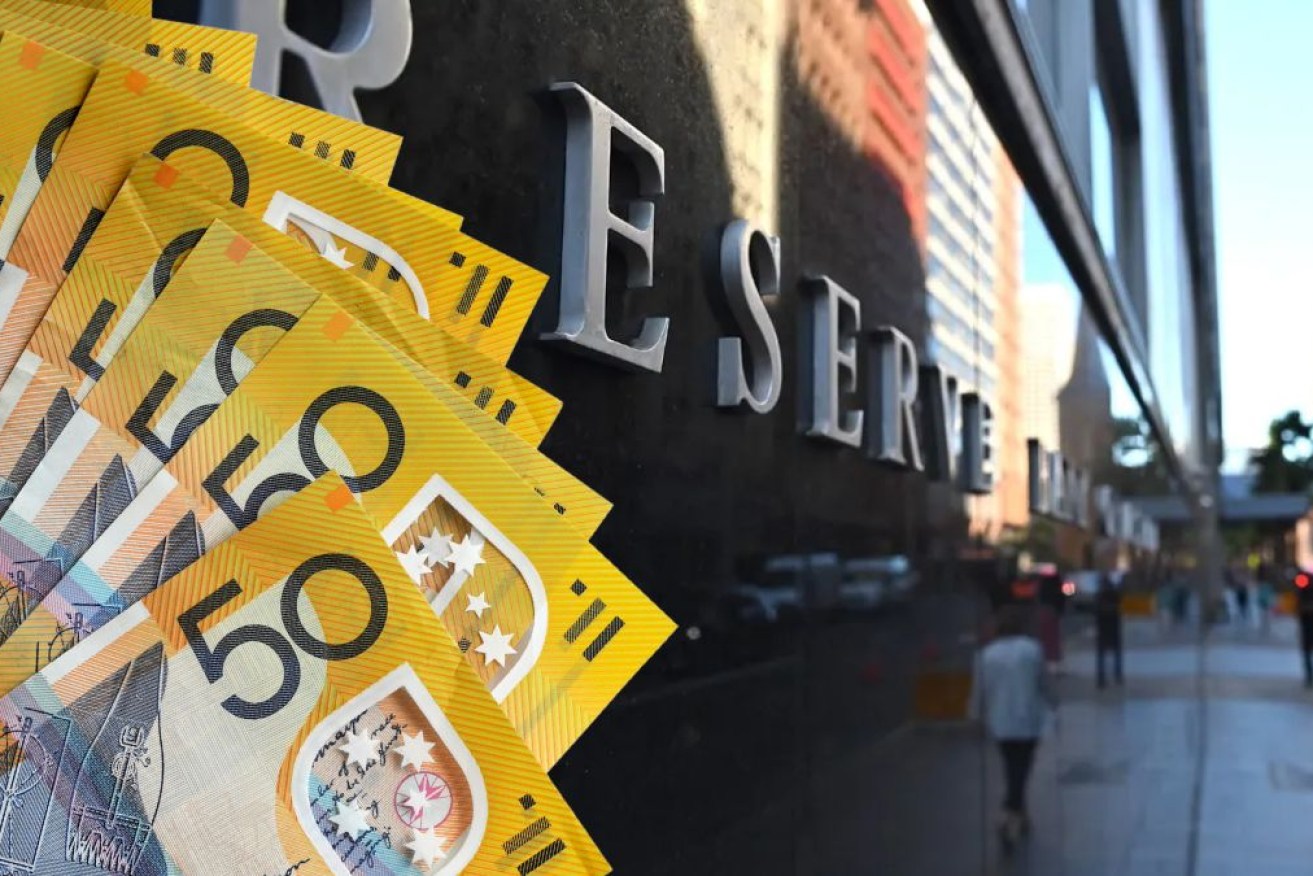
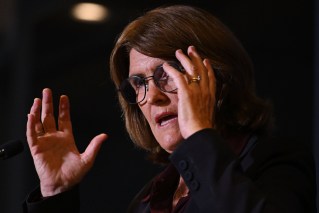
The official interest rate remains at 4.35 per cent after the RBA board's latest meeting. Photos: AAP
Australia’s official interest rate remains on hold – with further rises still possible – in the latest decision handed down by the Reserve Bank.
The RBA decision, revealed on Tuesday afternoon, to leave the cash rate at 4.35 per cent was consistent with near-unanimous expectations from money markets and economists.
In a unanimous decision likely to be welcomed by borrowers, it is the second time this year the central bank has left rates untouched after a board meeting.
“Following three increases in the cash rate target since the beginning of the year, financial conditions are now tighter than they were, and the economy appears to be slowing as expected,” the board said in a post-meeting statement.
“But inflation is still too high. It is not expected to return to around the midpoint of the target range until late 2027 and there are upside risks to this projection.”
At 3.6 per cent, the quarterly trimmed mean – the central bank’s preferred measure of inflation – is still well above its 2-3 per cent target range.
But the June outcome was lower than the 3.8 per cent figure in the Reserve Bank’s May forecasts. That prompted traders to slash the odds of the bank staying on hold for the rest of the year.
Herron Todd White chief economist Cameron Kusher said easing inflationary pressures had bought the RBA more time to assess the impact of the 75 basis points worth of rate rises it had already delivered in 2026.
“Economic growth has slowed, consumer sentiment is very weak, business confidence and conditions have reduced and the unemployment rate continues to trend higher but does remain low,” he said.
Kusher said household spending was still quite robust, especially discretionary spending.
“Although most people think that the rate-hiking cycle may have peaked, if the war in the Middle East continues and inflation persists, I still see a risk of an increase in rates later this year,” he said.
“Furthermore, I think we’re still at least 12 months away from the first interest rate cuts.”
Commonwealth Bank head of Australian economics Belinda Allen said the re-escalation of conflict in the Middle East also risked reigniting inflation after June’s easing.
Oil prices have jumped since the start of July. They remain significantly below their peaks during the first phase of the conflict.
Allen said the weaker demand environment would give businesses less scope to pass on higher costs. But the Reserve Bank will have to wait for September quarter data to see that – meaning the earliest opportunity for another hike is November.
Along with economists at all four big banks, Morgan Stanley analysts expect the RBA’s next move will be down rather than up.
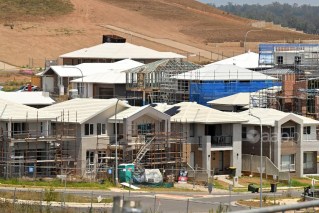
They said the key signal for the bank would be the faster-than-expected weakening in the housing market since May.
“Housing is the main domestic transmission channel for monetary policy,” Morgan Stanley Australian chief economist Chris Read and colleagues wrote in a research note.
“Further softening should give the RBA greater confidence that demand will weaken over coming months, reinforcing its assessment that policy settings are restrictive.”
-with AAP
Want to see more stories from The New Daily in your Google search results?
- Click here to set The New Daily as a preferred source.
- Tick the box next to "The New Daily". That's it.

RBA’s inflation warning stokes rate rise fears
More pain as IMF backs rate rises