Housing downturn widens amid fresh fears property prices will plunge 18 per cent

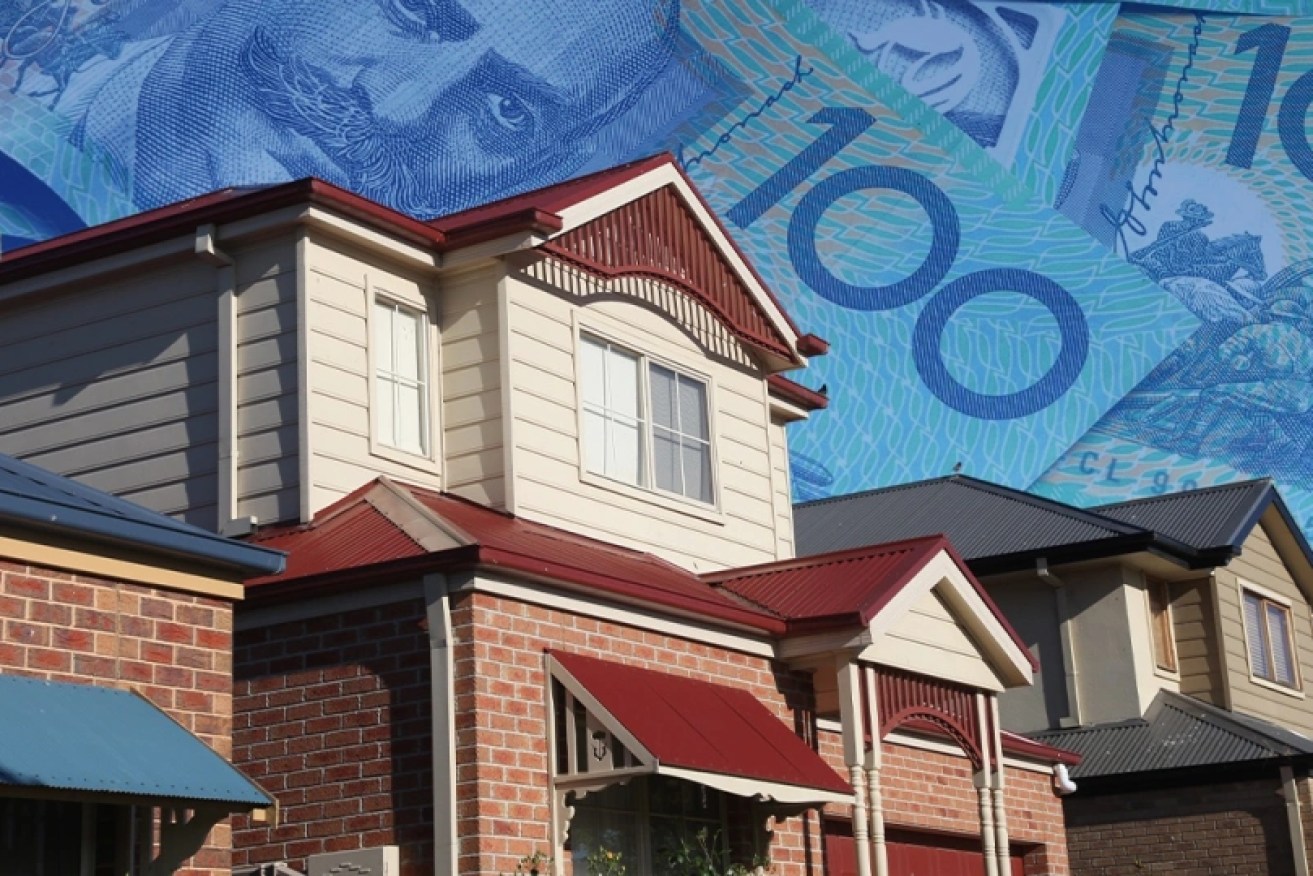
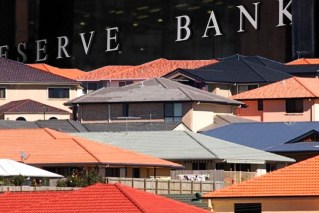
New data shows the housing downturn has spread to regional Australia. Photo: TND
Cracks are emerging in key regional property markets as new data reveals the housing downturn is quickly spreading beyond major capitals.
CoreLogic’s latest property report, published on Wednesday, shows regional housing values fell 0.2 per cent in the three months to July – down from a 6.4 per cent gain in December.
Ten of 25 regional areas tracked by CoreLogic saw values fall over the quarter, though all areas still posted price increases on an annual basis.
It’s the latest sign interest rate hikes are squeezing buyers and pushing down property prices, following fresh ANZ Bank forecasts on Tuesday tipping national house prices will fall 18 per cent in the next 16 months.
CoreLogic economist Kaytlin Ezzy said regional areas like Illawarra in New South Wales and the Sunshine Coast in Queensland had seen “some of the strongest growth” during COVID-19, but are now “showing weaker selling conditions” as affordability constraints bite.
“Value declines are already being seen across more expensive regional markets, while the pace of growth has eased considerably across the combined regions’ broad middle and lower quartile markets,” she said.
Housing downturn widens
Property prices have been retreating for several months as the effect of four consecutive Reserve Bank interest rate hikes have tanked borrowing power and with it market confidence.
But falls had previously been restricted to major capitals such as Sydney and Melbourne, which had the highest median housing values and so were the first to run into affordability constraints.
That’s now changed, with the latest CoreLogic figures showing that the downturn is spreading fast.
Veteran housing economist Andrew Wilson said it’s not surprising that key regional markets are now following Sydney and Melbourne with falling prices, saying the downturn will be national.
“Regional markets tend to pick up what’s happening in the bigger markets with a lag,” Dr Wilson said.
“They’re influenced by the same factors weighing on capital cities.”
Property prices to fall 18 per cent
ANZ Bank economists said on Tuesday that reduced borrowing power amid higher interest rates is the biggest factor pushing down house prices across the country.
With the cash rate target headed north of 2 per cent, ANZ said mortgage borrowing capacity will decline by more than 20 per cent by the end of the year and by nearly 30 per cent during 2023.
Such a squeeze will push national average house prices down by 18 per cent over the remainder of 2022 and over 2023, it said.
But the downturn is expected to be short lived, with prices recovering again in 2024.

“With the cash rate set to peak later this year, we expect that most of the impact on prices will be fully reflected by the end of 2023,” ANZ experts said on Tuesday.
“In 2024, we expect to see the beginnings of a recovery in house prices, alongside cuts in the cash rate in the second half. We expect prices to rise around 5 per cent in 2024.”
Dr Wilson is more optimistic than ANZ, saying he doesn’t expect prices to fall by 18 per cent over the next 16 months.
On the contrary, data from his firm My Housing Market shows the pace of price falls in Sydney and Melbourne was slowing during the first two weeks of August.
“Prices are still falling, but they’re not falling by so much,” he said.
“There are some very early signs the market is reaching for the bottom.”
One factor expected to support property prices through the downturn is tight rental market conditions, with listings for homes falling to record lows over the past month as landlords rush to alternatives like Airbnb.
‘‘The impact of higher interest rates will be mitigated by low unemployment, rising household incomes, a tight rental market and rising immigration,’’ ANZ economists said.
‘‘While these factors won’t prevent falls in housing prices, they’ll cushion the fall.’’

Raising the rate of JobSeeker would save lives


Pain for borrowers as RBA lifts rates again