Full brunt of rate hikes yet to be felt
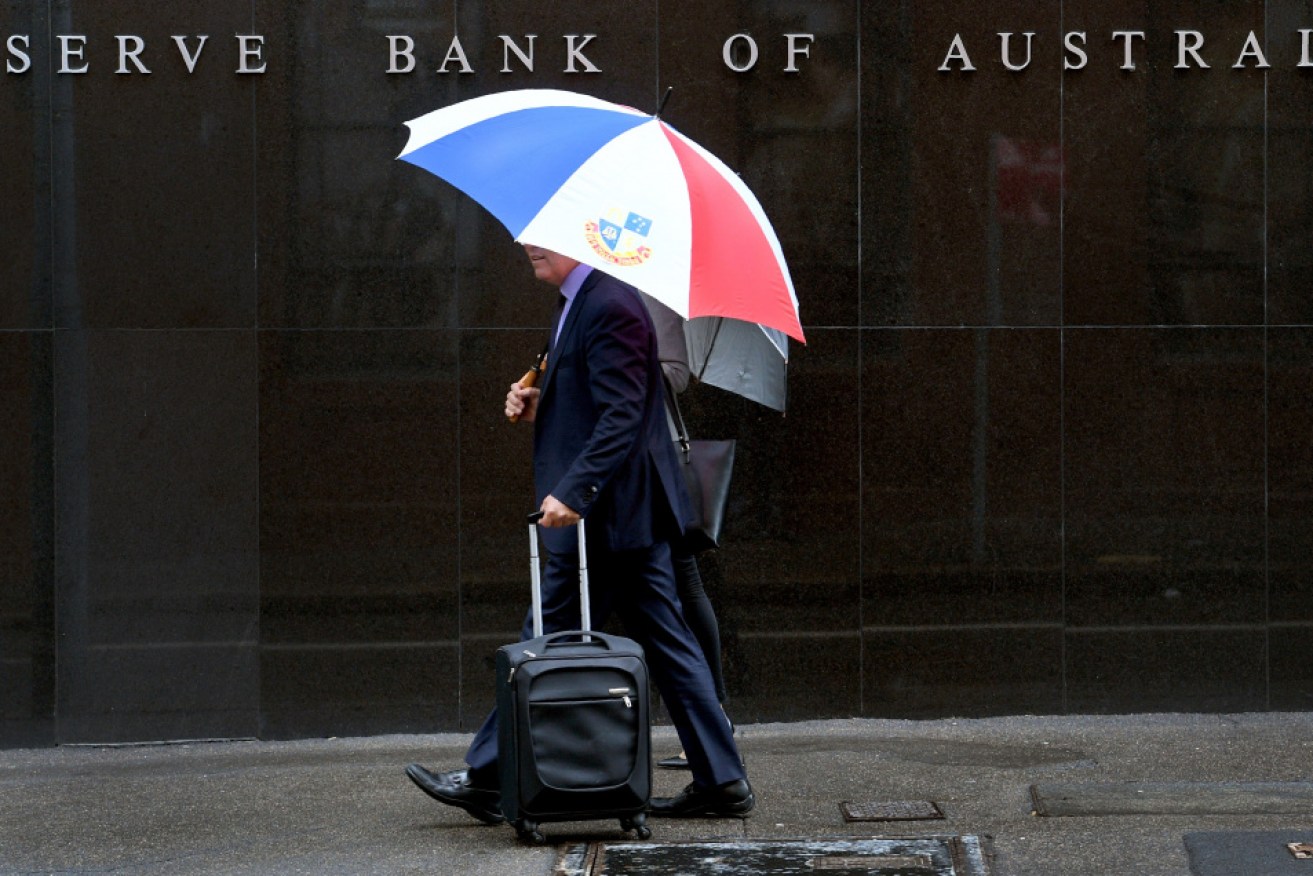
The RBA board says monetary policy operates with a lag, but Australia is close to normal settings. Photo: Getty
A 50 basis point hike in the cash rate was necessary last month despite the central bank recognising the full effects of higher mortgage repayments are yet be felt.
In the Reserve Bank of Australia’s minutes from its September interest rate decision, board members discussed the merits of either a 25 or 50 basis point hike.
“They acknowledged that monetary policy operates with a lag and that interest rates had been increased quite quickly and were getting closer to normal settings,” the minutes said.
“Given the importance of returning inflation to target, the potential damage to the economy from persistent high inflation and the still relatively low level of the cash rate, the board decided to increase the cash rate by a further 50 basis points.”
The board also reiterated its commitment to further rate hikes, but confirmed it was not on a “pre-set path” given the uncertain trajectory of inflation.
“The full effects of higher interest rates were yet to be felt in mortgage payments, and the broader effects on activity and inflation would take some time to be apparent,” the minutes said.
“The board was resolute in the need to ensure inflation returned to target, but mindful that the path to achieve this needed to account for the risks to growth and employment.”
The RBA took the chance to review its bond purchasing program that was implemented during the pandemic.
Board members said the program, which saw the central bank purchase government bonds to lower bond yields, contributed to the “strong recovery of the Australian economy” alongside lowering the cash rate and other monetary policy measures.
“Together, the policy measures had lowered the whole structure of interest rates in Australia and supported confidence in the economy,” the minutes explained.
“However, members noted that it is difficult to identify the exact effect of the bond purchasing program on the economy, because it was implemented as part of a broader package of policy measures that reinforced one another.”
The board said any future use of the bond measure would only be under extreme circumstances and when the cash rate was already as low as it could plausibly go.
Meanwhile, consumer confidence lifted 0.4 per cent last week, almost unwinding the 0.5 per cent fall the week before.
While consumer sentiment as measured by ANZ and Roy Morgan’s consumer confidence survey edged upwards, the overall index remains well below long-run averages.
Results across the main subindices were mixed, with ‘current financial conditions’ falling 4.8 per cent and ‘future financial conditions’ climbing 4.5 per cent.
‘Weekly inflation expectations’ jumped to 5.6 per cent from the four-week moving average of 5.4 per cent.
Consumers remained uncertain when questioned about the state of the economy.
‘Current economic conditions’ fell 2.8 per cent fall and ‘future economic conditions’ went basically unchanged.
ANZ economists David Plank remarked on the 8.7 per cent drop in renter confidence last week, which caused mortgage holder confidence to land above renters for the first time since the RBA started lifting rates in May.
“This may indicate that people with mortgages have taken comfort from recent commentary that the RBA might scale back the size of rate increases in October,” Mr Plank said.
However, he wasn’t confident the central bank was ready to slow down its rate hikes just yet, and predicted another 50 basis point lift in October.
“This might come as something of a shock for those with mortgages,” he said.
– AAP