London on brink of introducing $23-a-night tourist tax

Source: BBC News
One of Australians’ favourite destinations is poised to become the next major city to introduce a tax on tourists.
The British government is tipped to give the green light to a nightly visitor levy for London within months.
The tax – long backed by London mayor Sadiq Khan – could raise as much as £240 million ($A506 million) a year.
“The mayor has been clear that a modest tourist levy, similar to other international cities, would boost our economy, deliver growth and help cement London’s reputation as a global tourism and business destination,” a Khan spokesperson told the Local Democracy Reporting Service on Monday.
Such a scheme would mirror those already imposed in other major cities. Paris applies a fixed nightly fee per person depending on accommodation type; Berlin and Cologne use a percentage of the room cost, while Tokyo imposes a flat fee on tourist accommodation bookings.
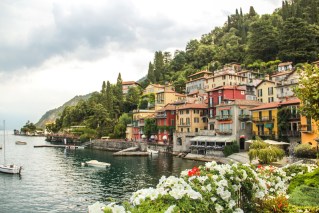
Venice, which gets about 15 million tourists a year, introduced an $8 daily tourist fee in 2024, and New York City raises almost $A1 billion a year from its tourist tax.
Lisbon, Barcelona and Prague also have visitor levies.
“The thing about those cities is, many of us visit them, and don’t really mind paying the extra few euros, in relation to a tourism levy,” Khan said in March.
“My promise to the hotels and Airbnbs and so forth is the money would be used to improve the environment around that, to encourage more tourists.”
From July, Edinburgh will introduce a 5 per cent levy to be charged on the first five nights of a visitor’s stay. Also next year, Welsh authorities will be able to collect £1.30 ($A2.60) a night from visitors.
The proposed London tax is believed be similar. It would translate to about £11.50 ($A23.30) a night in hotels or £10 ($A20.30) in short stays such as Airbnb.
“The model the government should adopt is already under way in Scotland, where Edinburgh, Glasgow and Aberdeen are introducing levies valued at a percentage rate on overnight stays in hotels, B&Bs and short-let accommodation,” Andrew Carter, the chief executive of think tank, has said.
He said the approach was “flexible”, and the rate could rise and fall depending on demand for accommodation.
“A tourist levy would benefit the capital’s tourist economy, provided the revenues go to local government – ideally split between City Hall and the boroughs – and are not ring-fenced by central government for specific purposes,” Carter said.
London had 89 million overnight stays in 2024. The Department of Foreign Affairs and Trade says 1.2 million Australians visited Britain in 2023 – while it doesn’t break down the figures, it’s a fair bet many would have spent at least one night in London.
The Centre for Cities also found that introducing a levy similar to those of other cities was unlikely deter people from heading to London. Its research had found visitors to more popular destinations were less sensitive to levies.
In fact, the think tank suggested, an effective tourist levy would boost both economic growth and improve infrastructure and the business environment in London.
But, as might be expected, not everyone is happy. UK Hospitality chair Kate Nicholls said it was a “shocking idea”.
“Overseas visitors are incredibly important to central London but across London as a whole, this is builders coming to work, businesses coming to conferences, it’s families coming for concerts and theatres and going to see family and friends,” she said.
“This will have a really big impact on British consumers, it’s a tax on hard-working British families having a short break in London and it will deter visitors from coming in.”
London’s boroughs are also divided about the idea. Westminster –home to famous landmarks such as Big Ben and the Houses of Parliament and Buckingham Palace – has wanted an overnight stay levy for “many many years”, its council leader said.
“We have a daytime population of over a million compared to a night-time population of about 200,000, and that means our local council tax payers are helping to subsidise things for the rest of London,” Adam Hug told the BBC.
“Something through an overnight stay levy that helps redress that balance would be enormously welcome and enable us to do more creative things in the future.”
In Britain, local authorities and mayors cannot introduce tourist levies without approval of the central government.
The BBC reports Chancellor Rachel Reeves is expected to give Khan and other civic chiefs authority through a bill that is before parliament. It is expected to become law in the coming months.
Want to see more stories from The New Daily in your Google search results?
- Click here to set The New Daily as a preferred source.
- Tick the box next to "The New Daily". That's it.



Wife saves man as he is sucked from plane


SA company snaps up outback croc hotel