International travel out of the question for many Australians

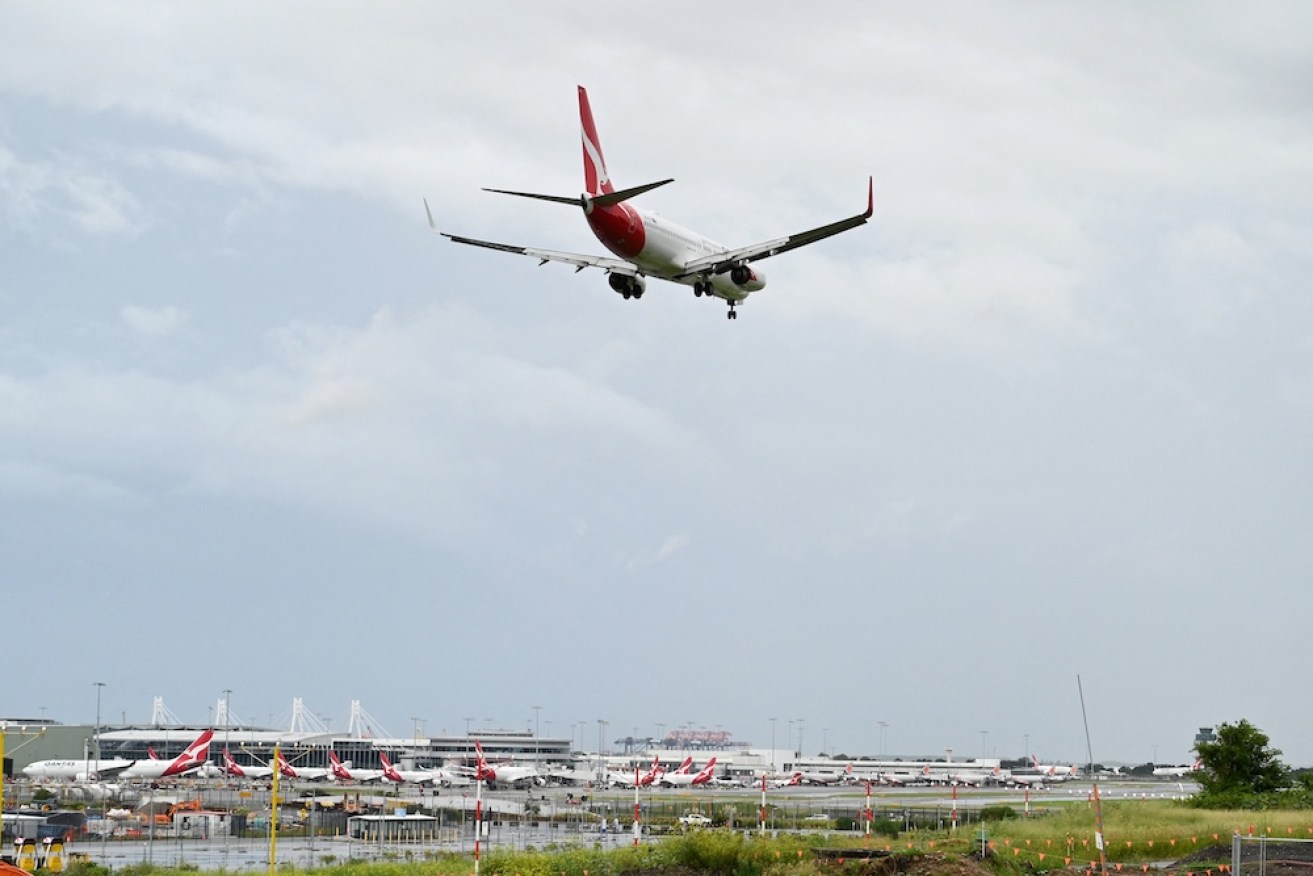
International travel is beyond the budgets of increasing numbers of Australians. Photo: Getty
New research from Finder suggests overseas holidays are now “prohibitive” for more than one in three Australians.
Not too long ago, as lockdowns and travel restrictions lifted, Australians were eager to get out of the country for a holiday.
However, with cost-of-living pressures, travel is a luxury many cannot justify right now.
About 37 per cent of Australians surveyed said travelling abroad was now unaffordable and a further 27 per cent said holidaying overseas was almost out of reach.
“The rising cost of living is impacting everything from groceries to petrol, and flights are no exception,” Finder travel insurance expert James Martin said.
“Discretionary spending is taking a back seat as many look for ways to cut back.”
Associate Professor Gabby Walters, an expert in tourism from the University of Queensland, said it’s something of a “perfect storm” in terms of travel being so unaccessible.
On top of rising interest rates, rising inflation and cost of living going through the roof, airfares are more expensive than they were before COVID-19.
The results from the survey didn’t shock Professor Walters.
“People don’t need to travel and so it’s going to be something that they’ll definitely reconsider because their wages, income and discretionary income, for that matter, is significantly less due to the rising cost of living,” she told The New Daily.
Boost for domestic travel
Travelling has become increasingly more expensive.
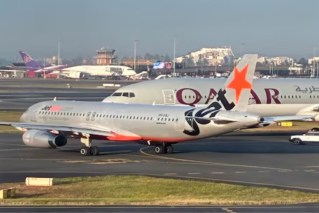
Between 2017 and 2018, the average flight from Melbourne to London was about $1412, Finder said. Now, an average flight on the same route is about $2600.
Professor Walters said the underlying issue as to why flying is so expensive is that the cost of fuel has gone up. Plus, airlines are still trying to recover from the pandemic.
“Now, certain routes would be impacted worse than others, so when you think about the UK, their borders didn’t close. You think about the US, their borders didn’t close,” she said.
“Australia, we were a fortress. Our borders were closed for a good part of two years. So we, as a nation, are heavily impacted by this because it’s not only people leaving the country, it’s also people coming to the country.”

Overseas holidays might have to be put on hold for many.
She said Australia isn’t going to see a strong recovery in the international market, particularly with long-haul routes, any time soon.
Not only does this mean Australia will miss out on holidaymakers, but also youth workers, who were so valuable to our economy before COVID.
” And then that has an impact on our labour supply and our labour force, which the tourism hospitality industry is already struggling with, particularly in regional areas,” Professor Walters said.
However, there is one positive to overseas travel being so expensive.
During the pandemic, domestic travel was Australia’s tourism industry’s “backbone”.
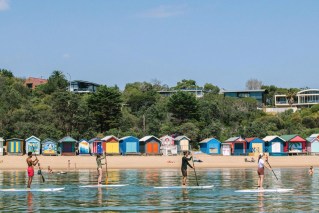
Due to the fact that it’s cheaper to pile the family in the car than get on a plane, it’s likely domestic travel will continue to be quite strong through tough times.
“That has a positive impact on domestic tourism, and regional destinations, because when people are on the road, they’re more likely to stop and explore and go off the beaten track,” Professor Walters said.
Tips to travel on a budget
Cost-of-living pressures continue to bite, but there are a few things that might help scratch the itch to travel.
People might want to opt for trips that are closer to home and take camping gear to avoid having to pay hundreds for accommodation, Professor Walters said.
Even a staycation could be a good option, as it allows for the local area to be explored, without the need for sorting out accommodation or food.
If flying domestically it is better to book ahead of time. Generally airlines don’t jack up prices as the departure date approaches. Instead, all the cheaper tickets are snatched up first.
As for international travel, it’s worth weighing up everything. It’s not just the cost of flights, but the Australian dollar isn’t performing too well against other currencies, Professor Walters said.
Conversion rates should be considered, as should accommodation abroad, which can be very expensive during peak season.
“Hold tight,” Professor Walters said.
“We’re in a really difficult situation right now.”
Mr Martin suggested keeping tabs on international flights to find cheaper ones and travel in off-peak periods when possible.
He also strongly suggested Australians ensure they have travel insurance when travelling overseas.
Finder found that only 37 per cent of Australians travellers would get insurance if they were to go overseas.
“If you can’t afford to insure your trip, you can’t afford to take the holiday,” he said.
“It’s best to organise your travel cover as soon as possible after you book your trip.”