 Subscribe

Young Australians plan fewer kids as costs crush family dreams
Rising living costs are pushing young Australians to rethink parenthood, with more than half now planning to have fewer children than they had intended.

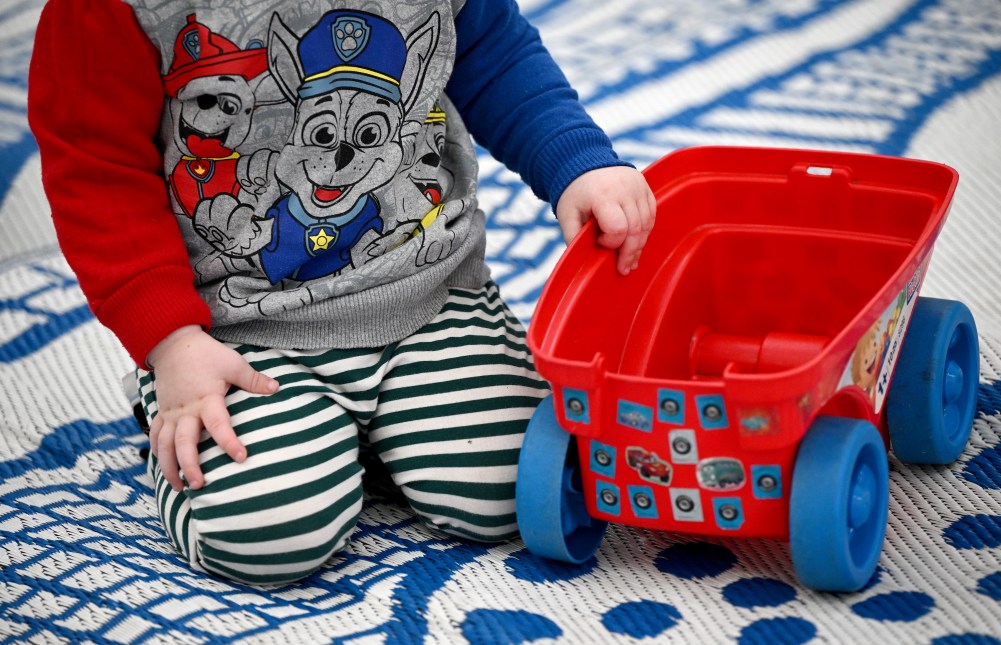
- More than half of Australians in their 20s say rising costs have led them to plan for fewer children.
- Nearly three in four (74 per cent) think young people now have to trade off having a family against their future financial security.
- Families spend an average $8,472 a year per child on core costs, with food and childcare the biggest expenses, Finder data shows.
Rising living costs are pushing young Australians to rethink parenthood, with more than half now planning to have fewer children than they had intended.
Among Australians in their 20s, 53 per cent said financial pressure had cut the number of children they plan to have, according to AMP’s latest report released Monday.
Nearly half of that age group are questioning whether to have children at all, and 44 per cent have pushed back plans to become parents.
The survey shows many Australians believe they must pick between raising a family now and securing their finances for later life.
“For many young Australians, the question ‘Can we afford kids?’ carries a worry about their financial future,” Melinda Howes, AMP Group Executive, Superannuation and Investments, said in a statement.
“Retirement might feel a long way off, but as cost of living pressures escalate, decisions about housing, having children and taking time out of work can shape financial security for decades,” Howes said.
Across all ages, 57 per cent think of respondents said having kids would make a comfortable retirement harder to reach, a view held by 61 per cent of women and 54 per cent of men.
The gender gap is widest among the young, with 62 per cent of women in their 20s holding that view, compared with 50 per cent of men the same age.
Among the respondents, 74 per cent say today’s younger generations face a forced choice between having children and securing their finances over the long term.
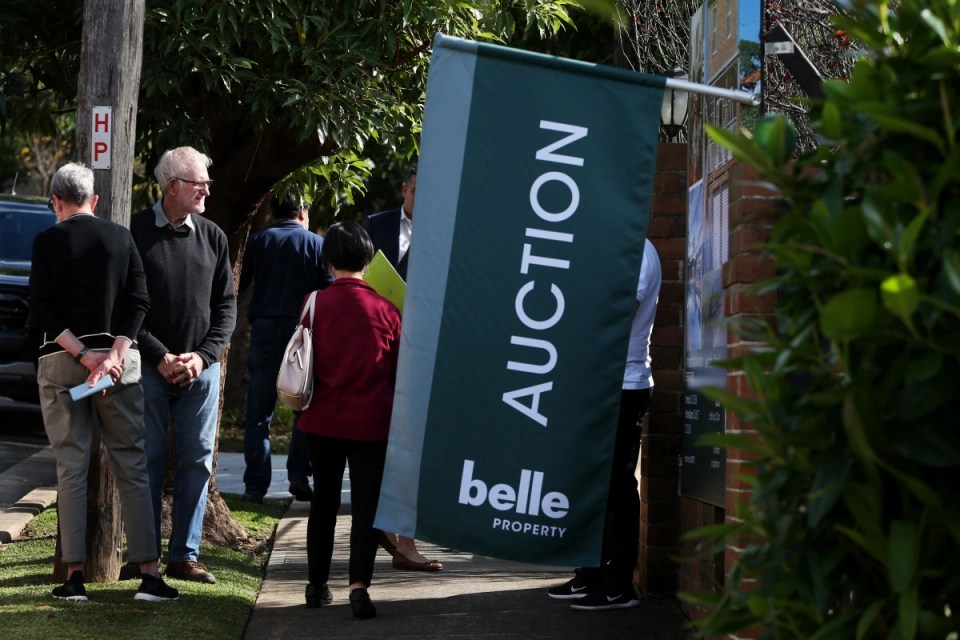
Home ownership is a key hurdle, with 63 per cent of people in their 20s saying they need to get onto the property ladder before starting a family, while saving a 20 per cent deposit now takes about 11 years, according to AMP analysis.
Parents’ anxiety reaches into the next generation too, with 71 per cent of respondents asked about their children’s financial future saying they worry about it, including 79 per cent of women and 62 per cent of men.
Only 42 per cent of women feel confident about their financial security in retirement, compared with 61 per cent of men, with confidence lowest among Australians in their 40s at 40 per cent and just 35 per cent for women that age.
“Financial pressures are one part of a broader shift towards later parenthood and smaller families,” said AMP Deputy Chief Economist Diana Mousina.
“As Australia ages, the challenge is sustaining living standards and meeting growing demand for care without placing an ever-greater burden on working families,” she said.
By 2065–66, there could be as many as 40 Australians aged 65 and over for every 100 aged 15–64, up from about 27 in 2025–26, according to Treasury projections cited by AMP.
How much does it cost to raise a child in Australia?
Australian families spend an average $8,472 a year on each child, according to Finder’s Parenting Report 2026, which surveyed 1,008 parents of children under 13.
Food takes the largest share of that spending at $3,305 a year, followed by childcare at $1,754, with the rest going on clothing, sport, health appointments, school excursions and tutoring.
Close to one in 10 parents had nothing saved when their first child arrived, while 28.9 per cent had built up at least $25,000.
Parental leave hit about half of parents in the hip pocket or on the career ladder, with 16 per cent missing out on a pay rise, 15 per cent on a promotion and 10 per cent on a move into management, the survey found.