How to age wine: The tips & tricks of the trade

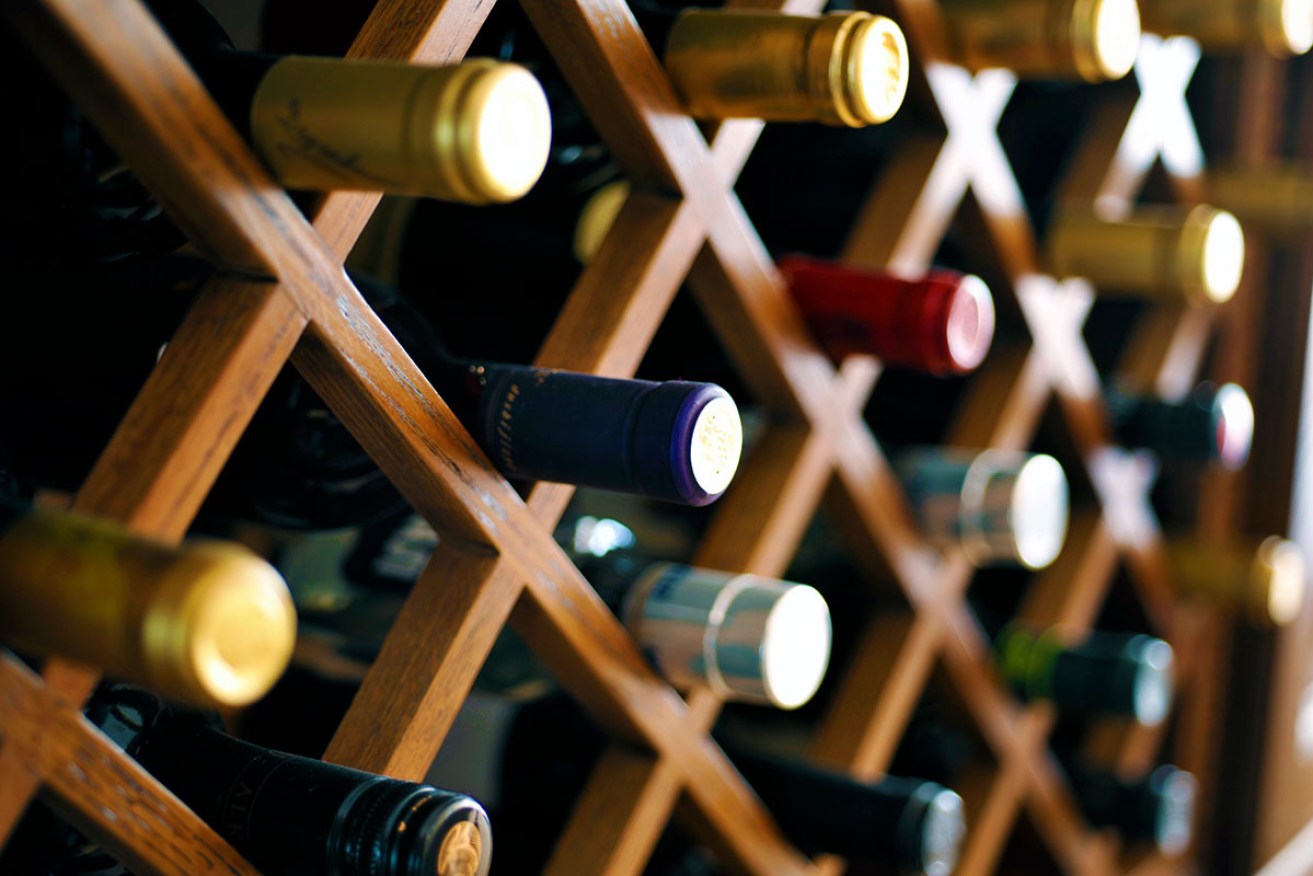
These simple tips for ageing wine will help extend the life of your wine and your cellar. Photo: Wine Selectors
Ever wondered why we age wine, what makes aged wine so special, or what’s the best way of ageing wine?
Find out with our friends at Wine Selectors!
If you’re wanting to establishing a wine collection, it’s relatively easy to age wines at home.
Let’s begin with what happens in the bottle as you age wine.
For the most part:
- Red wines become lighter in colour, and white wines become darker
- Primary fruit aromas merge into a more complex ‘bouquet’ as secondary (bottle age) characters mingle with the remaining primary (fruit) characters
- Powerful fruity flavours change into and mix with subtler savoury ones
- Acidity and tannin levels fall away, soften, and all elements integrate.
Now, let’s look at some tips and tricks of the trade on how to age wine.
1. Which wines age well?
Some of Australia’s most famous region-variety combinations are also our best wines for ageing.
These include Hunter Valley Semillon, Coonawarra Cabernet Sauvignon, Clare Valley Riesling, Barossa Shiraz and Tasmanian Premium Sparkling.
Beyond these iconic wines, there are certain characteristics to look out for which indicate if a wine is worth putting away.
One of the most indicative is whether the wine has a good structure – that is, adequate acidity – and, in the case of red wines, firm tannins.
Essentially, acidity and tannins are your building blocks for a wine with ageing potential.
If you’re just not sure, the pedigree of the winery or previously successful vintages can be a useful guide to a wine’s potential.
Also, whether you buy your wine direct from cellar doors or from reputable wine sellers, most provide tasting notes outlining the wine’s peak-drinking window.

Cellaring wine is simple when you understand the basics. Photo: Wine Selectors
2. How do I cellar wine?
If you have a space in your home that’s reasonably dark, away from sunlight, and can be kept at a cool and steady temperature, you’re good to go.
Consistent temperatures of between 12 degrees Celsius to 14 degrees Celsius are key.
While small temperature swings are OK, a location near a window, refrigerator, or hot water tank is not advisable.
Keep your bottles in the dark as light has adverse effects on the quality of your wine. It’s also best to avoid vibrations, i.e. washing machines not great cellaring buddies.
The ideal humidity level should be about 50 per cent.
Lay your bottles on their side if you’re cellaring bottles with cork closures. This helps keep the cork exposed to the wine within, preventing it from drying out and breaking apart.
Bottles with screw cap closures can be stored upright.
3. How long should I cellar my wines for?
Cellaring time depends on the variety, its initial qualities, the vintage, and whether your cellar is kept at optimal conditions.
We recommend ageing:
- Up to two years: for Sauvignon Blanc, Pinot Gris/Grigio, Vermentino
- Up to five years: for Chardonnay, Pinot Noir, Merlot
- Up to 10 years: Riesling, Semillon, Malbec
- Up to 15 years: Cabernet Sauvignon, Shiraz.
4. Can I buy wine that’s already aged?
Absolutely! It’s easy to enjoy aged wines without having to do it yourself. Wine Selectors have you covered.
Choose from wines perfect for ageing, top-shelf expressions guaranteed to please, and ultra-premium wines for extra special occasions.
Handpicked by the Tasting Panel experts, it’s simply a better way to buy Australian wine.