Stonehenge off limits to visitors after anti-development protest
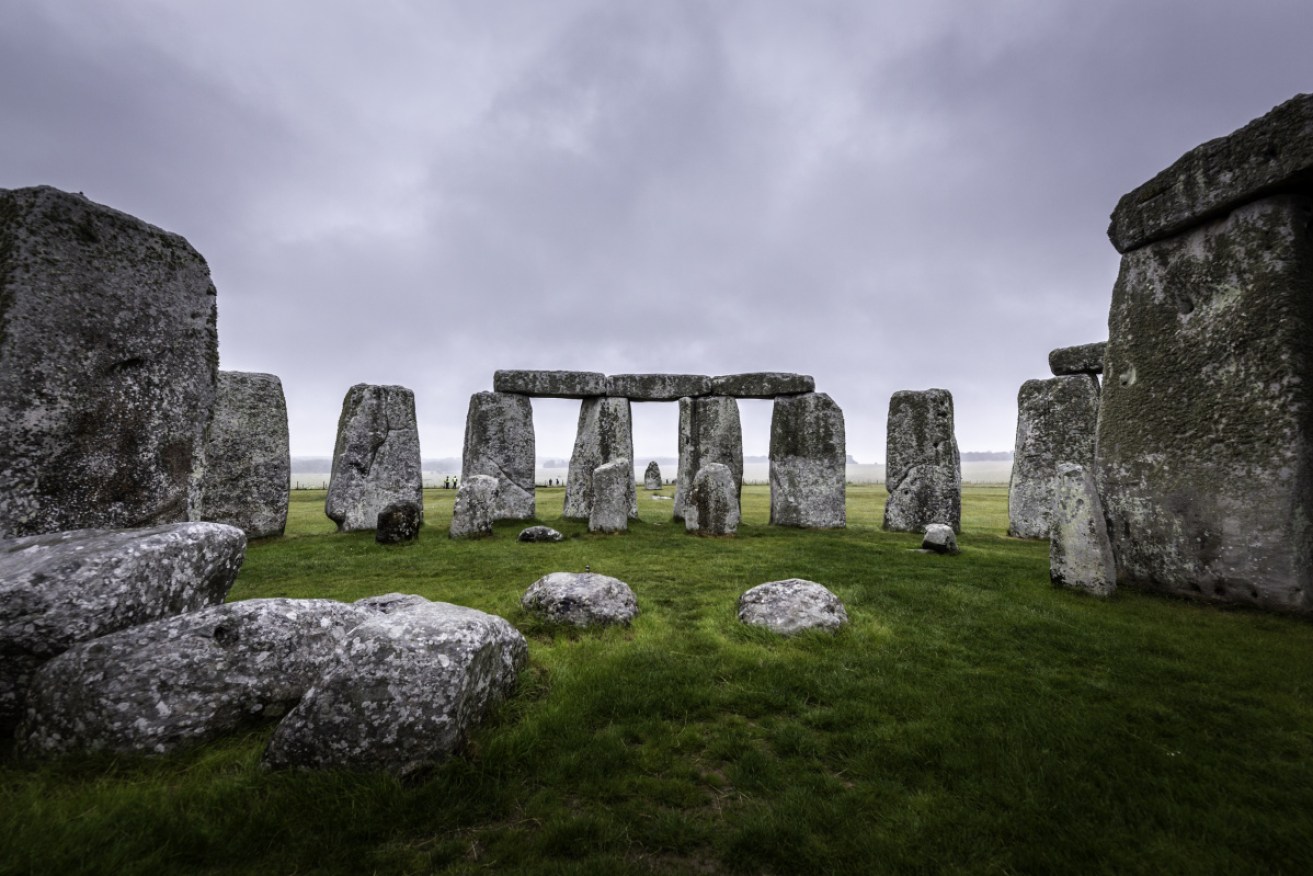
Once the site of pagan rituals, Stonehenge is now the focus of modern protests. Photo: AAP
The prehistoric monument of Stonehenge in southern England has been closed to visitors after protesters staged a “mass trespass” against the British government’s road-building plans, including a new tunnel near the World Heritage Site.
The protestors, who described themselves as an alliance of local residents, ecologists, activists, archaeologists and pagans, gathered at Stonehenge around midday on Saturday.
English Heritage, a national charity that manages hundreds of historic sites, soon after made the decision to close Stonehenge to visitors “due to unforeseen circumstances” and said it was against the law for anyone to enter the monument area without its consent.
“Whilst we respect people’s right to demonstrate peacefully, we do not condone behaviour that disrupts and endangers the site and the people who visit or work here,” an English Heritage spokeswoman said.
The protest comes less than a month after the government backed the $3.1 billion tunnel plan.
#MassTrespass and occupation of our stones today. We the people of this land say no to any further built development in our sacred landscapes.
"We belong to the land" #Stonehenge #StonehengeTunnel #OurLand pic.twitter.com/WN4eIgTLVk— downlander (@downlanda) December 5, 2020
The decision has faced vociferous opposition from local residents as well as archaeologists. Opponents, who have launched a legal action against the project, say the tunnel will damage the environment, wildlife and potential archaeological finds underground.
“This is the coming together of people who are saying we have had enough,” Dan Hooper, an environmental activist who is better known as Swampy, said.
“Building more roads simply leads to more traffic and carbon.”
Stonehenge, which is one of the world’s most famous prehistoric monuments, was built on the flat lands of Salisbury Plain in stages, starting 5,000 years ago, with the unique stone circle erected in the late Neolithic period about 2,500 BC.
-AAP