Boy dies of rabies after waking up with a bat on his face

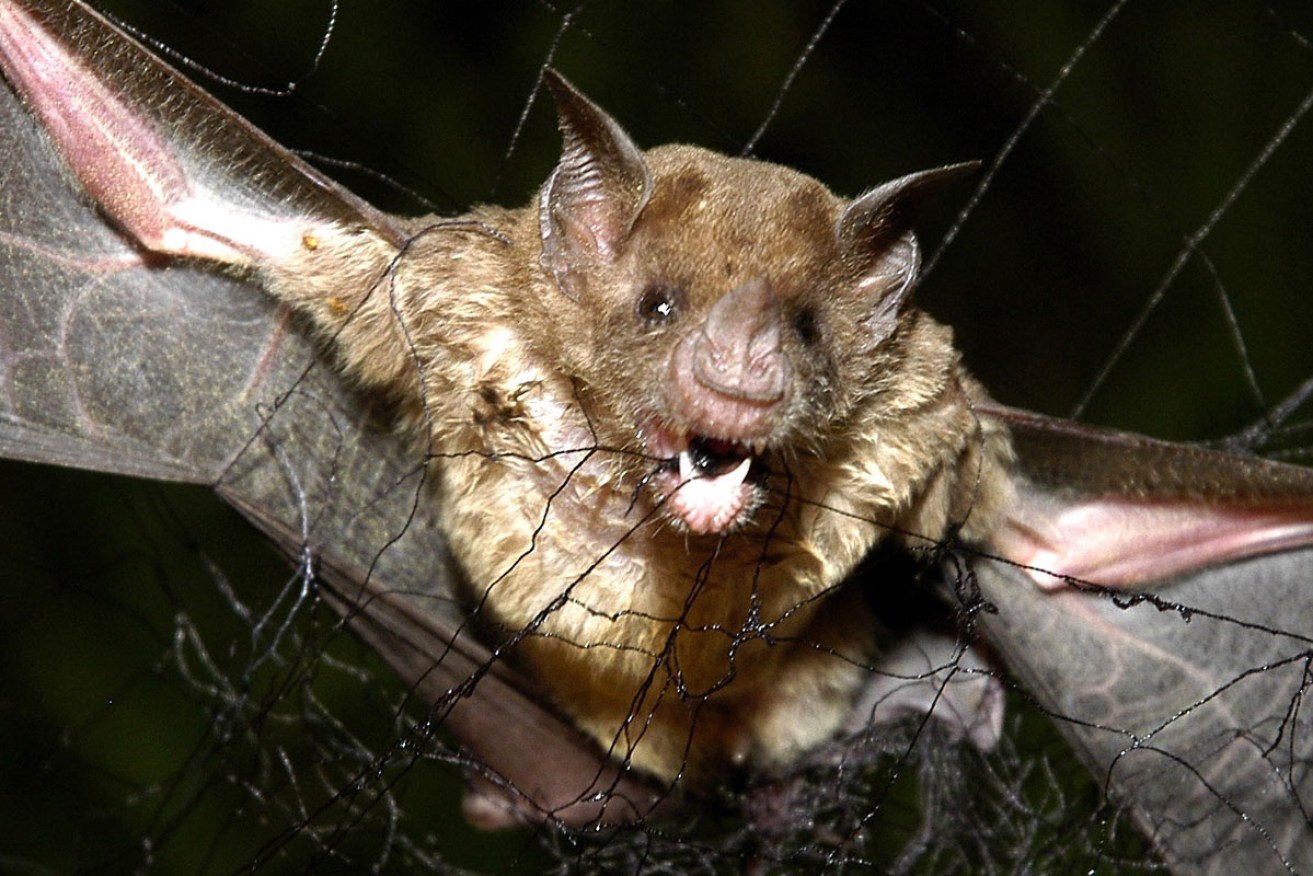
Most human cases of rabies in Canada are the result of exposure to bats. Photo: AP
The death of a Canadian boy who woke up to find a bat on his nose and mouth has prompted a warning about the danger of rabies.
The 11-year-old had been staying with his family at a cottage in Ontario in 2024 when the bat incident occurred, according to a report published this week in the Canadian Medical Association Journal.
“He had swatted the bat off his face; his father had caught the bat in a cooking pot and released it outside,” the report said.
“The child had no visible lesions on his face, and his parents did not consider that the bat had behaved erratically.”
As a result, they didn’t immediately seek medical treatment, but 19 days later the boy began to show symptoms, including swelling, numbness and tingling on the right side of his face.
Doctors struggled to come up with an accurate diagnoses, with one treating him for herpes gingivostomatitis – a viral infection of the mouth and gums. When the child’s condition quickly deteriorated and he began suffering worsening symptoms such as fever and hallucinations, he was admitted to a paediatric intensive care unit.
Infectious diseases experts were called in and testing eventually confirmed “a bat rabies virus variant”, but sadly, the boy died in hospital 17 days after his admission.
“Human rabies is exceedingly rare in Canada, with only 28 cases reported since 1924,” the report said.
“This patient’s was the first case of locally acquired rabies reported in Ontario since 1967.”
It added that most human cases were the result of exposure to bats.
“Bats pose a particular risk because bites or scratches may be small and are easily overlooked, and patients may not recollect or recognise a bat exposure.”
The rabies virus is spread through saliva and attacks the nervous system, with early recognition of exposure and prompt anti-viral treatment (PEP or Post-Exposure Prophylaxis) the only way to stop the onset of infection.
Rabies is found in nearly every country except Australia, according to the Australian Centre for Disease Control website, and is closely related to Australian bat lyssavirus.
“Anyone bitten or scratched by an animal overseas should seek urgent medical attention,” the centre warns. “The best prevention is not touching animals while overseas.”
The authors of the Canadian report said the Ontario tragedy highlighted that any direct human contact with bats should be considered high risk, even if the animals didn’t show any “classic signs of rabies”.
“Rabies is almost always fatal, with no established efficacious therapies, making prevention crucial. Rabies PEP is highly effective if administered promptly… after any direct human contact with a bat, even in the absence of visible lesions.”